%20(1).webp)
When you step onto the field, court, or mat, your focus should be on performance, not on whether your mouth guard will slip, hurt, or distract you. An athletic mouth guard is more than a piece of sports equipment. It is a protective barrier between confidence and injury. Yet many athletes wear mouth guards that do not fit properly and never realize the risk they are taking.
A well-fitted mouth guard protects your teeth, jaw, and even your brain from impact-related injuries. This guide walks you through every clear sign that your mouth guard fits the way it should. By the end, you will know exactly what to look for and why proper fit matters more than most athletes think.
One of the clearest indicators of a good fit is stability. If your athletic mouth guard stays in place without clenching your jaw, you are already on the right track.
If you have to constantly bite down to keep it from falling out, the fit is incorrect. This not only causes jaw fatigue but also reduces reaction time during play.
A well-fitted mouth guard uses suction and contouring to hold itself securely against your teeth. You should be able to open your mouth, talk, and move freely without worrying about it shifting.
This sense of effortless stability naturally leads us to the next important sign.
Breathing should never feel restricted when wearing a mouth guard . If it does, that is a red flag.
Athletes often remove poorly fitted guards during intense moments simply to catch their breath. This defeats the entire purpose of wearing one.
A correctly fitted mouth guard:
Pain is never a normal part of wearing a mouth guard. Discomfort indicates poor mouth guard fitting or incorrect sizing.
A good fit should not:
If irritation persists after a few uses, the issue will not resolve on its own. Properly fitted guards feel comfortable from the start and improve with use.
A properly fitted mouth guard should maintain its shape over time. Excessive wear is often a sign of poor fit rather than aggressive play.
Look for warning signs like:
These issues suggest uneven pressure distribution. When fit is correct, impact forces spread evenly across the surface, extending the guard’s lifespan.
Now that durability is addressed, let’s talk about alignment.
One of the clearest indicators of fitting a mouth guard is natural tooth alignment.
Your teeth should rest comfortably within the grooves without feeling forced into position. If your bite feels off or your jaw shifts unnaturally, the guard is not molded correctly.
A good fit supports:
Once alignment feels natural, confidence in protection follows. And that confidence is essential for peak athletic performance.
One of the most common search questions athletes ask is how should a mouth guard fit. The answer is surprisingly simple but often overlooked. A properly fitted mouth guard:
| The ADA officially recommends the use of mouth guards to reduce the incidence and severity of sports-related oral injuries, and notes that wearing a properly fitted mouth guard during athletic or recreational activities can minimize the risk of dental trauma to teeth and soft tissues. |
Many athletes grind their teeth, especially during intense training or competition. An athletic mouth guard for grinding teeth must balance protection and pressure relief.
Grinding puts constant stress on the jaw and enamel. A well-fitted guard:
If your mouth guard worsens jaw soreness or increases tension, it is likely too rigid or poorly contoured. Athletes who grind their teeth often benefit from custom or boil-and-bite guards adjusted carefully.
Understanding how to fit a mouth guard helps athletes avoid common mistakes that compromise safety.
This process ensures proper contouring. Skipping steps or rushing often leads to a poor fit.
In case of a custom mouth guard like the ones offered by Caspersmile , you’ll receive an impression kit to send your teeth impressions to the manufacturer, so they can create a mouth guard that fits perfectly. You just pop it in and enjoy the game.
Once fitted, knowing how to wear a mouth guard properly ensures long-term effectiveness.
Even a perfectly fitted custom guard fails if worn incorrectly. Best practices include:
Consistent and correct usage preserves fit and hygiene. With wear habits covered, it’s time to evaluate performance indicators.
| A dental sports trauma review reported that athletes wearing mouth guards were 82 % to 93 % less likely to suffer traumatic dental injuries than those not wearing them. |
Even the best-fitting guards do not last forever. Replace your guard if:
Athletes who are still growing or experiencing dental changes should regularly check and update the fit of their mouth guard.
When selecting an athletic mouth guard, prioritize fit over appearance. Custom or properly molded guards may cost more upfront, but save you from expensive dental injuries later.
Look for:
Smart athletes invest in protection that supports performance and safety equally.
Your mouth guard should never feel like a burden. A well-fitted athletic mouth guard protects your teeth, supports your jaw, and gives you the confidence to play without hesitation. From stability and comfort to durability and emotional assurance, the signs of a good fit are clear when you know what to look for. Taking the time to ensure proper fit is not just about safety. It reflects a commitment to your performance, overall health, and long-term smile. Choose wisely, fit it correctly, and play fearlessly.

Curated the best for your knowledge
 The Aligner Diet: Can Clear Aligners Really Cause Weight Loss?
Some people notice they've lost a little weight after starting clear aligner treatment. It can happen, especially during the first few weeks, when taking the trays out for every meal and snack takes some getting used to. Sore teeth can also make eating less appealing for a day or two. The amount of weight lost varies from person to person, and not everyone experiences this change. Below, we'll break down why it happens, whether it's actually good for you, and what to know before treating your aligners like a diet plan.
Read More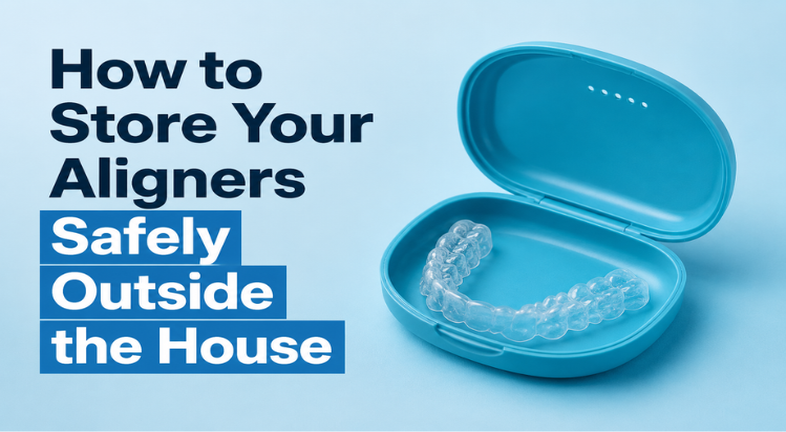 How to Store Your Aligners Safely Outside the House
Taking your clear aligners out while you're away from home is part of everyday life. The important part is knowing where to keep them until it's time to wear them again. Whether you're eating at a restaurant, traveling, running errands, or attending a social event, instead of leaving them on the table or wrapping them in a tissue or napkin, place them in a protective aligner case. Poor storage can lead to lost, damaged, or dirty aligners.
Read More Should You Use Mouthwash to Clean Aligners?
Can you clean aligners with mouthwash? Mouthwash is not the preferred way to clean clear aligners. It is formulated for rinsing your mouth, while aligner-safe cleaning products are designed to clean the trays. Coloured mouthwash can also stain or discolour clear plastic. Remove your aligners before using mouthwash, then clean your trays separately with cool or lukewarm water and an approved cleaning method.
Read More



Heading