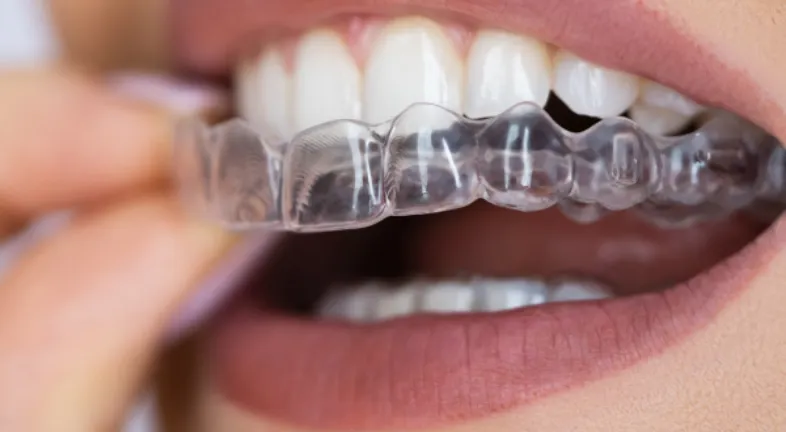
If you wear Essix retainers, commonly known as clear retainers, you already know they are both amazing and annoying. Essix retainers are nearly invisible, lightweight, and comfortable. At the same time, they stain easily, hold onto odors, and can appear questionable if not properly cared for.
Cleaning Essix retainers sounds simple. Rinse, brush, done. But if you’ve ever pulled yours out of its case and wondered why it smells off or looks slightly yellow, you already know there’s more to it. In this blog, we will guide you through how to clean Essix retainers properly, what to avoid, how often to clean them, and why they change color over time.
Daily cleaning is non-negotiable. Even if you only wear your retainer at night, bacteria do not sleep, rest, or politely wait until morning. The clear plastic sits in your mouth for hours, collecting saliva, plaque, and microscopic debris that you never actually see. If it is not cleaned daily, buildup causes damage faster than most people expect.
Daily care does not need to be complicated or time-consuming. It does need to be consistent. Skipping a day here and there usually turns into odor, cloudiness, or that slightly slimy feeling people pretend not to notice.
Every time you remove your Essix retainer, rinse it right away using lukewarm water. Fresh saliva rinses off easily. Dried saliva sticks to plastic and becomes harder to remove later. Holding the retainer under running water for 10 to 20 seconds is usually enough. Turn it around in your hand so water reaches the inside and outside surfaces.
<>Hot water is not your friend here. It may feel like it cleans better, but heat softens the plastic. Even mild warping can affect the fit, and that damage cannot be reversed. Cold water is safe, but lukewarm water strikes the best balance for daily rinsing. If you take your retainer out at work, school, or the gym, rinsing it there is still important.Once a day, your Essix retainer needs more than a rinse. Brushing removes plaque film that water alone cannot break down. Use a soft-bristled toothbrush and dedicate it only to your retainer. A brush that is too firm can scratch the surface. Those tiny scratches might not be visible at first, but they give bacteria a place to cling to. Over time, this leads to odor and discoloration. Apply light pressure and brush gently across all surfaces. Focus on the inside where the retainer touches your teeth, since that area collects the most buildup.
Many people find it easier to brush their retainer immediately after brushing their teeth. This habit pairing helps keep daily cleaning consistent. When it becomes part of your existing routine, it feels less like an extra task. Rinse thoroughly after brushing so no residue remains.
What you use to clean your retainer matters just as much as how often you clean it. Plain, clear dish soap works well for daily cleaning. A mild hand soap can also be used if it does not contain added moisturizers, dyes, or strong fragrances. You only need a small drop. More soap does not mean cleaner; it just means harder rinsing.
This surprises many people, but toothpaste is one of the fastest ways to make Essix retainers look cloudy. Most toothpastes contain abrasives designed for enamel, not plastic. Even toothpastes labeled as gentle can slowly damage the surface.
After cleaning, rinse the retainer thoroughly until no slippery feeling remains. Any leftover soap can affect taste and comfort when you put it back in your mouth.
Read more: Discover Best Retainer Cleaner
There’s cleaning, and then there’s overcleaning. Essix retainers are durable but sensitive.
Bleach, alcohol, vinegar, and hydrogen peroxide are often recommended online. That doesn’t make them safe. These substances can weaken the plastic or cause uneven discoloration.
If it smells strong enough to make you hesitate, it does not belong near your retainer.
Heat warps plastic; even slightly hot water can change the shape of your retainer. Once that happens, it won’t fit correctly again. That means no boiling water, no dishwasher, and no leaving it in a hot car either.
Daily cleaning keeps things under control. Deep cleaning resets everything.
Effervescent cleansing tablets made for retainers or dentures are safe when used correctly. Drop one tablet into lukewarm water and soak your retainer for the recommended time, usually 10 to 15 minutes. Do not soak overnight unless the product specifically says it is safe to do so.
A mild baking soda soak can help neutralize odors. Mix a small amount of baking soda with lukewarm water and soak for 15 to 30 minutes.
Rinse thoroughly afterward because baking soda residue tastes unpleasant.
A very diluted vinegar solution can remove mineral buildup, but it should not be used frequently. Think once every few months, not weekly. Rinse extremely well if you use it at all.
People love exact schedules. Real life does not always follow them.
Daily: Rinse after every removal. Brush once per day.
Weekly: Deep clean at least once a week. Twice, if you notice odor or buildup.
Monthly Check-In: Look at your retainer closely. If it appears cloudy, smells strange, or feels rough, adjust your routine. Your retainer gives signals. Most people just ignore them.
This question comes up constantly, and the answer is layered.
Just like teeth, retainers collect plaque. Over time, plaque hardens and darkens.
Coffee, tea, wine, and soda stain plastic faster than people expect. Even clear drinks can contribute.
Nicotine causes yellowing. There’s no way around it.
Skipping days, using toothpaste, or soaking in the wrong solutions accelerates discoloration.
Yellowing does not mean the retainer is useless, but it does mean it needs better care.
This deserves its own list, because mistakes here are common.
Do not use:
Each of these damages plastic in a different way. Some cause scratches. Others cause warping. A few cause chemical breakdown. None of them helps in the long run.
This part often gets overlooked. Routines change when traveling, but retainers still need care.
Carry a travel toothbrush and a small bottle of mild soap. Rinse whenever possible. If you forget supplies, water is better than nothing for a short time. Never wrap your retainer in a napkin. That is how most retainers get thrown away.
Cleaning does not stop when the retainer goes into its case. A case with airflow prevents moisture buildup. Moist environments encourage bacterial growth. And yes, the case gets dirty. Wash it regularly with soap and water. Let it dry fully before using it again. A clean retainer placed in a dirty case defeats the purpose.
Even perfect cleaning cannot make a retainer last forever.
Watch for:
Most Essix retainers last 6 months to a few years, depending on wear and care. If it no longer fits properly, cleaning won’t fix that.
| The hardest part of learning how to properly clean retainers is consistency. Knowledge helps, but habits do the real work. Pair cleaning with something you already do, like brushing your teeth at night. Keep supplies visible. Make it easy. Retainer care does not need to feel complicated. It just needs attention. |

Curated the best for your knowledge
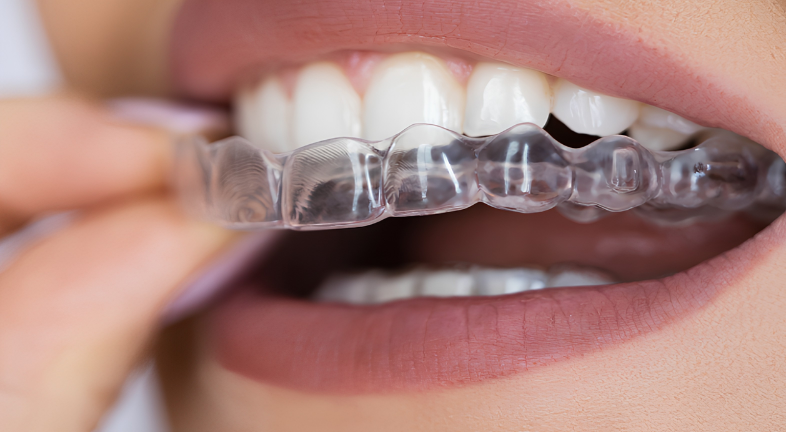 Are Clear Aligners Right for You? Common Dental Issues They Can Fix
Clear aligners can straighten mild to moderate cases of crowding, spacing, crooked teeth, and certain bite concerns without the appearance of metal brackets. These custom-made, transparent trays gradually apply controlled pressure to guide teeth into better positions, making them a discreet and convenient teeth-straightening option for eligible individuals.
Read More Why Your Aligners Stop Tracking and How to Fix It
Aligners stop tracking when they no longer fit snugly against your teeth the way your treatment plan intended, and it's almost always caused by wear time, tray damage, or a movement that's simply taking longer than expected. The good news is that most of these issues can be corrected without starting over. Below, you'll find the real reasons why aligners stop tracking, how to spot the early signs, and the exact steps that get treatment back on schedule.
Read More How Clear Aligners Affect Jaw Muscles
To answer the question, “How do clear aligners affect jaw muscles?”, clear aligners can affect the jaw muscles, but usually only mildly and temporarily. As your bite gradually shifts, the muscles you use for chewing adapt to the new tooth positions. Most people feel little to nothing at all. When soreness does show up, it tends to fade within a few days. This is different from a jaw joint (TMJ) disorder, which involves the joint itself rather than the surrounding muscle tissue.
Read More



Heading