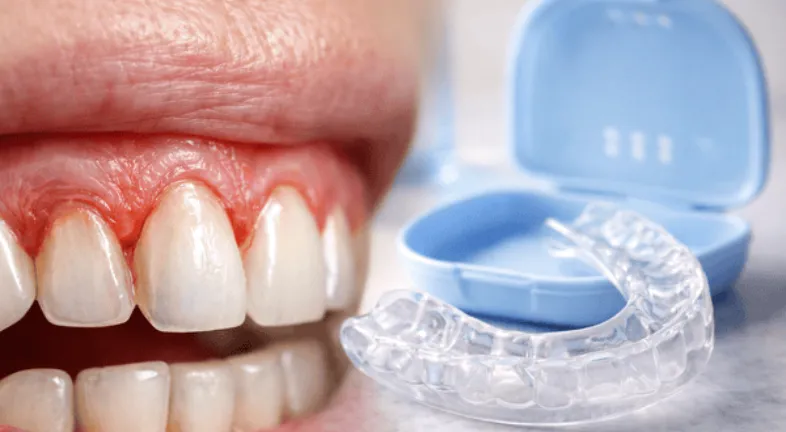
Mouthguards are usually seen as the “good guys” of dental care. They protect teeth from grinding, cushion heavy bites, and help prevent long-term damage. So when someone notices sore or receding gums while wearing one, confusion sets in fast. Can mouthguards cause gum recession, or is something else going on? The honest answer isn’t a simple yes or no. Gum recession almost never has one single cause. It’s usually the result of pressure, inflammation, habits, and time all working together. Mouthguards can sometimes contribute to irritation, but in many cases, they’re actually helping prevent worse damage. Understanding the difference matters more than blaming the device.
Gum recession happens when the gum tissue slowly pulls away from the tooth, exposing more of the root. It doesn’t usually hurt at first. Many people notice sensitivity to cold or see their teeth looking slightly longer. Over time, recession can lead to decay, discomfort, and even tooth instability. What makes the recession tricky is how gradual it is. It builds quietly from daily habits, such as brushing too hard, grinding teeth, inflammation, or genetics. Because mouthguards sit right at the gumline, they often get blamed when changes become noticeable, even if they weren’t the original cause.
Mouthguards exist for a reason. Night guards protect teeth from grinding and clenching. Sports guards protect against impact. In both cases, the goal is to reduce damage to teeth and the structures that support them. This is why many people ask, “does mouth guard prevent gum recession?” In many situations, yes, it helps. Grinding places enormous stress on the bone and gums. A properly fitted guard reduces that force, which can slow or prevent gum and bone loss. Problems usually arise not from wearing a guard, but from wearing the wrong one.
So let’s answer it plainly: can a mouthguard cause gum recession by itself? In most cases, no. Gum recession almost never starts from a single factor. That said, a mouthguard can contribute under the wrong conditions. If it fits poorly, has rough edges, or applies uneven pressure, it may rub the gumline night after night. Repeated friction can trigger inflammation, making gums more fragile over time. Once inflamed, tissue is more likely to recede. Still, most cases involve multiple factors working together, including aggressive brushing, existing gum disease, thin gum tissue, or untreated teeth grinding that worsen overall oral health.
<h3 id="fit-matters-more-than-most-people-think">Fit Matters More than Most People ThinkFit is everything when it comes to mouthguards. Store-bought options are made to fit “everyone,” which usually means they fit no one particularly well. They can feel bulky, shift during sleep, or press unevenly into the gumline. That constant movement or pressure may irritate the gums over time. Custom mouthguards, on the other hand, are made from precise dental impressions, allowing force to distribute evenly across the teeth instead of concentrating in one area. A poor fit often leads to soreness or swollen gums from mouth guard use. Swelling weakens gum tissue, increasing the risk of recession. With a proper fit, these problems usually fade.
Many people don’t realize how damaging grinding can be. So yes, does teeth grinding cause gum recession? Indirectly, absolutely. Grinding places intense, repeated pressure on the teeth and the supporting bone beneath them. Over time, this constant overload can weaken the ligaments that hold teeth in place and contribute to gradual bone loss. As bone levels drop, the gums naturally recede with them. Mouthguards don’t stop the grinding habit itself, but they significantly reduce the force being transferred to teeth and bone. Without that protection, damage often progresses quietly and much faster than people expect.
If a mouthguard applies more pressure to one side or one tooth, that area takes the hit. This can show up as tenderness in a specific spot or redness along one section of the gums. That kind of localized pressure isn’t normal. It’s a sign the guard needs adjusting. Dentists can smooth edges or rebalance contact points easily. Ignoring uneven pressure is what turns minor irritation into long-term damage.
Mouthguards trap moisture. Without regular cleaning, bacteria build up quickly. This can inflame gums and create symptoms that look a lot like early gum disease. People then assume the guard is causing the recession, when the infection is actually the issue. Reading up on certain conditions like what is periodontal gum disease can help clarify this connection. Clean guards support healthy gums. Dirty ones quietly work against them.
The material your mouthguard is made from plays a bigger role than most people expect. Soft guards often feel more comfortable at first, but they can flex during grinding and rub against the gums more than intended. Hard acrylic guards are more stable and distribute pressure evenly, though they may take a little time to adjust to. Neither option is automatically better; it depends on your bite, grinding strength, and gum sensitivity. For people prone to irritation, smoother materials with well-polished edges tend to be gentler. Problems usually arise when material choice ignores gum health or long-term nightly wear.
Seeing swollen gums from mouth guard use isn’t something to brush off. Swelling is a sign of inflammation, and inflamed gums are weaker and more vulnerable to recession. Sometimes mild swelling fades as the gums adapt to a new guard. Other times, it signals deeper issues like uneven pressure, rough edges, or poor cleaning habits. Persistent swelling means the tissue is under constant stress. That’s your cue to pause, reassess the fit, and seek professional advice. Addressing swelling early helps prevent irritation from turning into long-term gum damage.
Once a recession has started, it’s natural to ask, do mouth guards help with gum recession? They won’t reverse tissue loss, but they can absolutely slow further damage. By reducing the force from grinding or clenching, mouthguards protect the remaining bone and gum attachment from excessive stress. This gives the gums a better chance to stay stable rather than continuing to recede. When combined with gentle brushing, good hygiene, and regular dental visits, a properly fitted guard becomes part of a protective plan, not a risk factor for long-term gum health.
Hard brushing is one of the most common causes of gum recession. When aggressive brushing is paired with overnight mouthguard wear, irritation can quickly add up. Scrubbing the gumline before bed leaves tissue inflamed, and placing a guard over already-stressed gums increases sensitivity. Switching to a soft-bristled brush and using gentle pressure makes a noticeable difference. Even timing helps, allowing gums to settle after brushing before inserting a guard can reduce soreness. These small adjustments are often enough to relieve symptoms mistakenly blamed on the mouthguard itself.
Not all mouthguards are worn the same way, and that difference matters. Night guards are typically worn for six to eight hours straight, while sports guards are used briefly during activity. Because of the long wear time, night guards demand a much better fit, smoother edges, and consistent cleaning. Most gum complaints involve night guards, not sports guards. Treating all mouthguards as equal can lead to confusion about where risks actually come from. The longer a guard stays in the mouth, the more important precision, hygiene, and ongoing monitoring become.
Some people naturally have thinner gum tissue, while others have a family history of gum recession. In these cases, even mild irritation can feel more dramatic and progress more quickly. A mouthguard may seem like the cause, when it’s actually exposing an underlying vulnerability. Thin gums tolerate pressure and inflammation less effectively than thicker tissue. Dentists take this into account when designing mouthguards, often adjusting the shape, material, and follow-up schedule. Understanding your own baseline risk helps shift the focus from blame to smarter prevention and long-term care.
Gum recession develops slowly, which is why regular dental checkups matter so much. Small changes along the gumline are easy to miss at home but are often obvious to a dentist. These visits also help ensure your mouthguard still fits properly as teeth naturally shift over time. A mouthguard that felt perfect two years ago may now apply pressure in new areas without you realizing it. Simple adjustments can prevent irritation before it becomes a problem. Ongoing maintenance keeps a mouthguard protective and supportive, rather than quietly harmful.
In some rare situations, a mouthguard isn’t the best solution. People with advanced gum disease, significant bone loss, or severe bite misalignment may find that a standard guard actually worsens irritation or uneven pressure. DIY or poorly made guards can be particularly risky, applying force in the wrong areas and creating friction along the gumline. That’s why professional oversight is so important. Dentists don’t just focus on protecting teeth; they consider the gums, bone, and ligaments that support them. The right appliance balances protection with comfort, reducing risk instead of inadvertently causing more harm.
Mouthguards should protect, not hurt. If you notice ongoing soreness, visible indentations along the gumline, swelling, or increasing tooth sensitivity, it’s a clear sign that something needs adjustment. These issues often appear gradually, which makes them easy to ignore, but ignoring them allows minor irritation to turn into long-term gum problems or even recession. The good news is that most problems are easy to fix. Simple reshaping, polishing edges, or adjusting thickness usually restores comfort. Paying attention to these early warning signs keeps your mouthguard working as it should, protecting your teeth and gums rather than causing harm.
.webp)
Mouthguards are just one piece of the much bigger picture of gum health. Daily habits like brushing technique, flossing, stress levels, smoking, and even diet all influence how resilient your gums are. Ongoing inflammation, whether from plaque buildup or underlying health issues, weakens gum tissue over time. When overall gum health is supported, the chances that a mouthguard contributes to recession drop dramatically. Healthy gums tolerate minor pressure far better than inflamed ones. Instead of fearing mouthguards, focusing on balanced, good hygiene, regular dental care, and awareness creates the strongest protection for your gums.
So, can mouthguards cause gum recession? Sometimes they can contribute, but they’re rarely the main cause. In most cases, they actually protect teeth and gums from far more serious damage caused by grinding or clenching. Problems usually arise only when a guard fits poorly, isn’t cleaned properly, or is worn without regular checkups. With good fit, proper hygiene, and a bit of awareness, mouthguards are far more friend than foe. Paying attention to soreness, swelling, or changes along the gumline and acting early helps prevent minor irritation from turning into lasting gum problems.

Curated the best for your knowledge
 Are Clear Aligners Right for You? Common Dental Issues They Can Fix
Clear aligners can straighten mild to moderate cases of crowding, spacing, crooked teeth, and certain bite concerns without the appearance of metal brackets. These custom-made, transparent trays gradually apply controlled pressure to guide teeth into better positions, making them a discreet and convenient teeth-straightening option for eligible individuals.
Read More Why Your Aligners Stop Tracking and How to Fix It
Aligners stop tracking when they no longer fit snugly against your teeth the way your treatment plan intended, and it's almost always caused by wear time, tray damage, or a movement that's simply taking longer than expected. The good news is that most of these issues can be corrected without starting over. Below, you'll find the real reasons why aligners stop tracking, how to spot the early signs, and the exact steps that get treatment back on schedule.
Read More How Clear Aligners Affect Jaw Muscles
To answer the question, “How do clear aligners affect jaw muscles?”, clear aligners can affect the jaw muscles, but usually only mildly and temporarily. As your bite gradually shifts, the muscles you use for chewing adapt to the new tooth positions. Most people feel little to nothing at all. When soreness does show up, it tends to fade within a few days. This is different from a jaw joint (TMJ) disorder, which involves the joint itself rather than the surrounding muscle tissue.
Read More



Heading