.webp)
You know the feeling when your gums suddenly have a meltdown? A little swelling, a little bleeding, and you are down the rabbit hole on Google at 3 a.m., trying to find the best mouthwash for gums. It happens. Gums can be finicky little guys. They deserve some love, some care, and sometimes a splash of minty freshness.
But not all mouthwashes are created equally. Some are just flavored water, acting like they are helping. Some are awesome "fight germs" formulations that your dentist wishes everyone used. In this article we are going to break down what’s is the best mouthwash for your gums.
Gums aren’t just the soft pink background characters in your mouth. They’re the literal foundation keeping your teeth upright. Without healthy gums, your teeth have the structural integrity of a Jenga tower during a toddler's birthday party.
Gum disease often starts quietly, with plaque sneaking in between your teeth and gums, hardening into tartar, and triggering inflammation that you barely notice until brushing becomes an emotional experience.
Studies say nearly half the adult population has some form of gum disease. Half. Imagine going to a concert and knowing 50% of the people there probably have irritated gums. It’s oddly comforting and horrifying at the same time.
This is where the right mouthwash jumps in. Not just any mouthwash. A gum disease mouthwash specifically designed to address inflammation, bacteria, and pockets of trouble.
But before we make this a dentist convention, let’s clear the air on a myth.
Fact: Brushing is great, but bacteria are petty. It hides in places your toothbrush doesn’t even know exist.
This is why having a Mouthwash to Remove Bacteria becomes the real MVP. It reaches into crevices like a nosy aunt at a family gathering. Instead of asking invasive questions, it dissolves plaque and reduces harmful microbes.
To pick the true best mouthwash for gums, you kinda have to understand what separates the strong from the weak. Here’s what matters:
Chlorhexidine. Cetylpyridinium chloride (CPC). Essential oils like thymol and eucalyptol.
Some sound medicinal. Others sound like a forest. All help destroy bacteria.
Anything labeled as mouthwash for gum disease is usually packed with at least one powerful antimicrobial. Don’t let the fancy names scare you. Think of them as the bouncers who kick plaque out of the party.
This is a debate. Some people love alcohol-based mouthwash because it gives that strong burn that makes you feel like something dramatic is happening. Others hate it because it dries their mouth.
Either works. But if your gums are already sensitive or you have receding gums, the gentler, alcohol-free option is kinder.
Fluoride = enamel protector. And enamel protector = fewer cavities = happier gums.
Not every periodontal mouthwash has fluoride, but many of the top-tier ones do.
A tiny logo with a big meaning. If a mouthwash has this stamp, it’s legit.
If your gums bleed when you floss, when you brush, or even when you think about flossing, that’s your signal. You might need something stronger than your average minty rinse.
Here are the heavy hitters typically recommended in dentistry:
The king. The boss. The Beyoncé of all gum-healing mouthwashes.
Used for short-term treatment of periodontal disease, this prescription-only rinse reduces bacteria like crazy. But it can stain teeth if used too long, so it’s usually recommended for 1–2 weeks.
Over-the-counter options containing cetylpyridinium chloride are excellent for daily use. They’re gentler but still powerful.
Listerine-type formulas that use real oils. People underestimate them, but they genuinely help reduce plaque and gingivitis.
Receding gums are a bit sneaky. They happen slowly, so slowly you barely notice. Then one day you’re like, “Hey… was my tooth always that long?”
Since receding gums can’t magically grow back, the goal is to slow further recession, minimize inflammation, and protect the gums from bacteria that would otherwise make the problem worse.
When shopping for the best mouthwash for receding gums, focus on:
Also, avoid anything too harsh. Your gums already feel exposed enough emotionally.
A periodontal mouthwash is not your everyday rinse. It’s formulated specifically to support people with moderate to advanced gum issues.
Think of it as the medic in a video game. It swoops in to stabilize things while you work on the long-term fix (brushing better, flossing, maybe scaling and root planing).
Periodontal mouthwashes help:
If your dentist mentions periodontal pockets with numbers like “5 mm,” it might be time to switch from regular mouthwash to something more serious.
Maybe your gums aren’t bleeding. Maybe you’re just trying to avoid future drama. That’s smart.
For daily use, look for a natural or gentle formula that still includes antimicrobial power. Some mouthwashes combine green tea extract, aloe vera, xylitol, or baking soda. These can be surprisingly effective for keeping your oral ecosystem balanced.
A well-rounded best mouthwash for gum health should offer:
Rigid? No. Simple? Yes. Your gums will thank you.
A genuine gum disease mouthwash should at least:
Some also include ingredients like tea tree oil or probiotics, which sound very Instagram-influencer-ish, but surprisingly, they do contribute to oral balance.
Some sillier. Some useful. All real.
Tip: Brands like invisalin, Caspersmile , and SmileWhite offer safe aligner treatments to fix your alignment discreetly and efficiently.
It depends on your situation.
This isn’t a one-size-fits-all situation. Think vibes plus science.
And yes, using mouthwash before brushing is actually fine in some routines. Dentists argue about order all the time. It’s like the pineapple-on-pizza debate but with lab coats.
Natural mouthwash fans swear by tea tree oil. Medicinal mouthwash fans swear by chlorhexidine. And honestly? Both camps have valid points.
Natural ones are gentle, often taste nicer, and feel clean. Medicinal ones give fast, undeniable results. So, choose based on your goals, gum condition, and how dramatic your oral hygiene routine needs to be.
Let’s be honest: Healthy gums = better selfies.
Inflamed gums? Not the vibe.
Bleeding gums when flossing on FaceTime with your best friend? Definitely not the vibe.
Here are some super quick gum-glow tips:
There’s no single answer, but here’s the summary no one asked for but everyone needs:
Healthy gums don’t magically appear. But with a good brushing routine, flossing, and the right mouthwash, you can keep your gums unbothered, unstressed, and living their best life.
Sometimes gum care feels overwhelming. Too many options, too many ingredients with long names, and too many ads telling you what to buy. But choosing the best mouthwash for gums doesn’t need to feel like studying for a biochem exam.
Just understand your gum situation, pick a rinse that matches your needs, and stick to it. Remember, gum health isn’t just a dental thing, it’s a confidence thing, a freshness thing, a “no more random bleeding” thing.
So go ahead and choose wisely. Your gums deserve the glow-up.

Curated the best for your knowledge
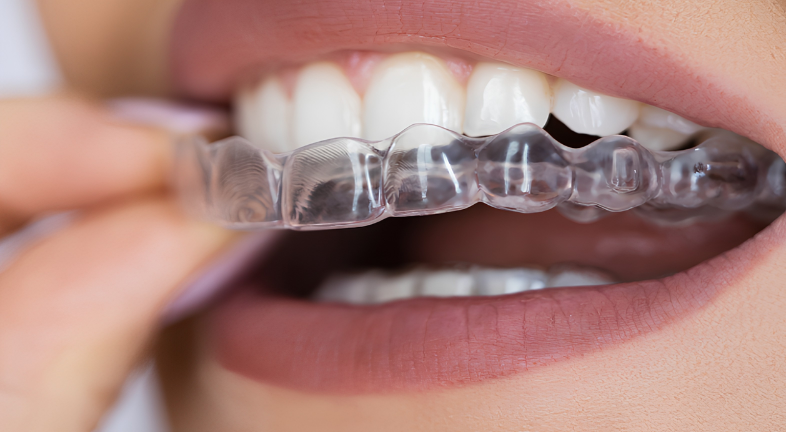 Are Clear Aligners Right for You? Common Dental Issues They Can Fix
Clear aligners can straighten mild to moderate cases of crowding, spacing, crooked teeth, and certain bite concerns without the appearance of metal brackets. These custom-made, transparent trays gradually apply controlled pressure to guide teeth into better positions, making them a discreet and convenient teeth-straightening option for eligible individuals.
Read More Why Your Aligners Stop Tracking and How to Fix It
Aligners stop tracking when they no longer fit snugly against your teeth the way your treatment plan intended, and it's almost always caused by wear time, tray damage, or a movement that's simply taking longer than expected. The good news is that most of these issues can be corrected without starting over. Below, you'll find the real reasons why aligners stop tracking, how to spot the early signs, and the exact steps that get treatment back on schedule.
Read More How Clear Aligners Affect Jaw Muscles
To answer the question, “How do clear aligners affect jaw muscles?”, clear aligners can affect the jaw muscles, but usually only mildly and temporarily. As your bite gradually shifts, the muscles you use for chewing adapt to the new tooth positions. Most people feel little to nothing at all. When soreness does show up, it tends to fade within a few days. This is different from a jaw joint (TMJ) disorder, which involves the joint itself rather than the surrounding muscle tissue.
Read More



Heading