.webp)
If you’re trying to figure out how to brush with braces, you’re not alone. It feels different at first, but with time, you get used to it. Initially, you might even feel like not brushing your teeth ; however, it is essential to understand that keeping your oral hygiene with any of the orthodontic treatments is as essential as teeth straightening.
The funny thing is that most people are convinced they’re doing it correctly until an orthodontist gently explains that they’re missing the same spots over and over. It happens. Learning tooth brushing with braces is a slow adjustment. This guide shows you precisely how to brush with braces, the little secrets that make the routine easier, and the tools that genuinely help.
Importance of Learning How to Brush with Braces (H2)
Braces create a perfect trap for plaque. Every bracket becomes a tiny shelf, and every wire becomes a path for bacteria to stroll along. If you don’t learn how to brush with braces correctly, plaque hardens and turns into tartar. And that leads to gum swelling, staining around the brackets, and in some cases, cavities that appear once the braces come off. Nobody wants that.
Some people assume that brushing teeth with braces is the same as regular brushing. The motions appear similar, but the stakes are much higher. You actually have more surfaces to clean and more corners that collect debris. It’s a little like cleaning a kitchen that now has secret cabinets you forget exist.
Even though this sounds dramatic, proper brushing with braces technique protects your enamel during orthodontic treatment. You can eat your favorite foods without stressing over whether a stray crumb is plotting against your molars. When you understand how everything works, your daily routine becomes surprisingly smooth.
However, if you feel you’re someone who may not be able to handle the constant cleaning required, clear aligners may be a better fit for you. They have emerged as a popular alternative to braces. Companies like Caspersmile offer custom-fit clear aligners, perfect for anyone wanting to have a straighter smile. They are barely visible and can be removed anytime you want. Due to their removable feature, they make it easier for you to manage your oral hygiene.
Before diving into the actual steps, gather a few tools. You do not need all of them, but they each serve their own purpose. Different days might call for different tools, and that flexibility makes your life easier.
People often ask, Can I use an electric toothbrush with braces. The answer is yes. Electric brushes clean efficiently and reach around brackets well. Still, some prefer a soft traditional brush because it feels gentler. Either option works if used correctly. The real key is the angle and the time you spend brushing.
These little brushes slide between brackets and wires. They’re extremely helpful when food gets stubborn. If you haven’t tried them yet, you're in for a small victory.
This strengthens enamel and prevents decalcification. Braces increase the risk of white spots, so fluoride becomes essential.
Flossing is a trickier part of brushing teeth with braces, even though flossing technically isn't brushing. But the process merges into the same routine, so it fits here nicely.
Another layer of protection. Especially helpful for the times you brush well but feel like you missed a spot you can’t see.
This is where the fun begins. Or at least the clarity. The steps below will help you understand exactly how to brush with braces, even if you drift a bit in your technique before returning to the proper system again.
Swish water around your entire mouth. The goal is to loosen any visible food. It creates a cleaner workspace and helps you see what really needs your attention. It’s a simple step, but skipping it makes everything slightly more annoying.
Tilt your brush about 45 degrees. This helps you reach the area just above the brackets. Many people forget this spot, even though it’s where plaque likes to settle. Use small circular motions. The strokes do not need to be aggressive. Gentle pressure works better.
Move along the upper section of the braces. The angle changes here. Instead of pointing at the gums, you point slightly downward to target the tops of the brackets. This is the part of tooth brushing with braces that feels repetitive but pays off tremendously.
Now shift your angle upward. The lower edge of the brackets traps food right under the wire. This step takes patience. It’s normal to go back and forth a few times until everything looks clean.
This might feel excessive, but treating each tooth like its own tiny project changes everything. Brackets create corners. Small spaces like these require focused attention. You don’t have to rush. Let it take a little longer when needed.
Slide the small brush behind the wire and around the brackets. It removes bits that your toothbrush almost always leaves behind. This is where your routine becomes effective instead of acceptable.
People sometimes forget the tongue. It affects breath freshness and bacteria levels. Braces or no braces, this part matters.
After all that work, rinse. It clears out loosened debris and leaves your mouth refreshed.
Let’s revisit the earlier question: Can I use an electric toothbrush with braces? Many orthodontists actually recommend it. Electric toothbrushes provide consistent speed and reach places where manual brushes require more effort. They also help if you struggle with the proper brushing with braces technique.
However, electric brushes shouldn’t be treated like automatic cleaning machines. You still need the correct angles. People sometimes get lazy because the brush vibrates. That can lead to superficial cleaning and the illusion of being done early. Slow down a little, even if the toothbrush wants to speed up.
Morning brushing removes plaque from sleep. Night brushing removes the entire day’s worth of buildup. Both are essential, but nighttime brushing matters more when you have braces. If debris stays trapped overnight, bacteria thrive. That can cause discoloration around brackets that becomes visible only once the braces come off.
You may find that brushing feels different depending on the time of day. Morning brushing can feel rushed, and nighttime brushing might feel overly detailed. Either is fine as long as you’re attentive. What matters is following the core principles of how to brush with braces each time.
The usual two-minute rule still applies, but many orthodontists suggest closer to three minutes. This is because brushing with braces involves double the number of surfaces. Sometimes you’ll take even longer if you’ve eaten something sticky. Don’t obsess over the clock. Focus on thoroughness. You can move quickly as you get better at it, but in the beginning, you’ll want to allow extra time.
Even when people think they know how to brush with braces, there are habits that sneak in.
Scrubbing creates gum irritation. Light pressure is enough. The goal is precision, not force.
Gums swell easily around braces. If you avoid brushing along the gumline, you’ll create inflammation without realizing it.
This area stains fast. Even those who have excellent brushing habits miss it sometimes.
Braces wear out bristles faster. Replace your brush or brush head every six to ten weeks.
Your eating habits influence how much effort brushing with braces requires. Foods like popcorn, granola, caramel, or anything crumbly hide between wires. Soft foods also cling in surprising ways. This doesn’t mean you should avoid everything you love. You just need extra awareness.
Whatever you eat, brush sooner rather than later. Some people even carry travel toothbrushes. Not a bad idea.
Flossing isn’t technically brushing, but it completes the cleaning process. Mouthwash offers another layer of defense. These steps support everything you do during actual tooth brushing with braces.
Use floss threaders or orthodontic floss that slips under the wire. It’s tedious at first. Eventually, it becomes rhythmic.
Look for fluoride mouthwash to prevent white spots. Antibacterial mouthwash can also reduce inflammation around the gums.
Younger wearers often resist longer brushing routines. Try making it a challenge. Use timers, fun toothbrushes, flavored toothpaste, anything that turns the routine into something less repetitive. Teaching them how to brush with braces early prevents orthodontic complications later.
When you leave home, routines shift. Carry a mini kit. All you need is a small mirror, a toothbrush, toothpaste, and an interdental brush. Even a quick clean is better than letting food sit all day. Sometimes, while traveling, brushing happens in unusual places. A gas station sink. A hotel lobby restroom. It feels odd, but those moments protect your smile.
You may get tired of the extra effort. Everyone does. When that happens, remember that braces are temporary. Cleaning habits prevent long-term problems. The work you put into learning how to brush with braces directly affects how your smile looks after the brackets come off. One day, you’ll run your tongue across perfectly smooth teeth again. And the effort will feel worth it.
Some days brushing hurts, especially after adjustments. Use warm water to soften the bristles. Brush gently. Avoid skipping brushing because of soreness. A cleaner mouth actually reduces irritation.
Braces make gums sensitive. If plaque stays around too long, gums swell. That swelling makes brushing harder. It becomes a cycle. Proper brushing with braces technique breaks that cycle by keeping inflammation under control.
Healthy gums stay pink, not puffy. If bleeding occurs, it usually means you need better cleaning, not less.
Orthodontists repeat the same advice because it matters. They want you to angle your brush properly, be patient, replace your brush often, and ask questions whenever you’re unsure. They can tell instantly if someone understands how to brush with braces responsibly.
They also want you to avoid thinking that tools are magic. Even the best electric toothbrush works only when used deliberately.
Here’s a practical approach you can adapt:
You won’t follow this perfectly every day, and that’s alright. What matters is consistent effort.
When your teeth stay clean, adjustments hurt less, gums respond better, and your breath stays fresher. You’ll feel more confident speaking and smiling. Good habits lighten the emotional load of orthodontic treatment.
Learning how to brush with braces isn’t complicated, but it takes attention. You’ll slip into a rhythm eventually. Some days you’ll brush quickly. Other days, you’ll take your time because something doesn’t feel clean enough. Both are part of the journey.
The more you understand brushing with braces, the easier it gets. Most importantly, you’ll protect your smile, so when those brackets come off, nothing gets in the way of the result you worked for. However, if it seems like a challenge, Caspersmile Clear Aligners can be the perfect fit for aligning your teeth, keeping your oral hygiene intact. Simply remove them to eat, brush your teeth without any hassle, clean the aligners, and pop them back in.

Curated the best for your knowledge
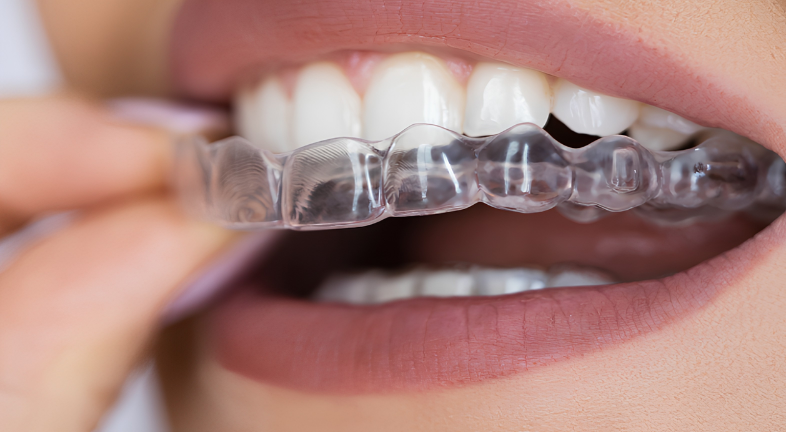 Are Clear Aligners Right for You? Common Dental Issues They Can Fix
Clear aligners can straighten mild to moderate cases of crowding, spacing, crooked teeth, and certain bite concerns without the appearance of metal brackets. These custom-made, transparent trays gradually apply controlled pressure to guide teeth into better positions, making them a discreet and convenient teeth-straightening option for eligible individuals.
Read More Why Your Aligners Stop Tracking and How to Fix It
Aligners stop tracking when they no longer fit snugly against your teeth the way your treatment plan intended, and it's almost always caused by wear time, tray damage, or a movement that's simply taking longer than expected. The good news is that most of these issues can be corrected without starting over. Below, you'll find the real reasons why aligners stop tracking, how to spot the early signs, and the exact steps that get treatment back on schedule.
Read More How Clear Aligners Affect Jaw Muscles
To answer the question, “How do clear aligners affect jaw muscles?”, clear aligners can affect the jaw muscles, but usually only mildly and temporarily. As your bite gradually shifts, the muscles you use for chewing adapt to the new tooth positions. Most people feel little to nothing at all. When soreness does show up, it tends to fade within a few days. This is different from a jaw joint (TMJ) disorder, which involves the joint itself rather than the surrounding muscle tissue.
Read More



Heading