


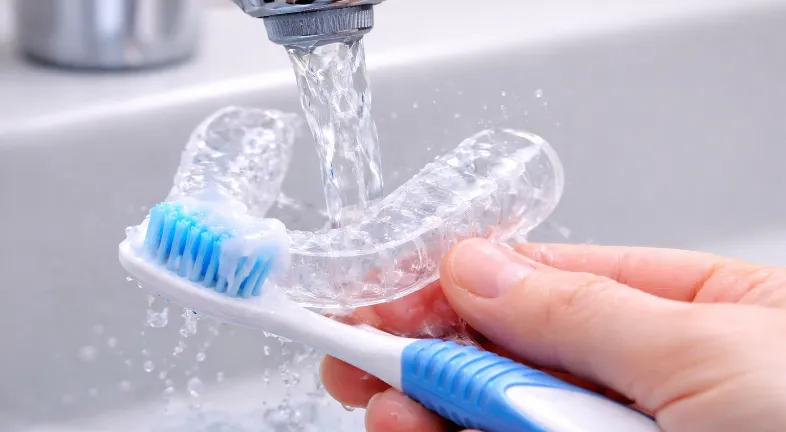
Cleaning your night guard isn’t just about keeping it looking clear. It directly affects your oral health, breath, comfort, and how long the guard lasts. A poorly cleaned night guard can quickly become unhygienic, uncomfortable, and even harmful to your gums and teeth.
That’s why one of the most common questions people ask after getting a dental night guard is: how to clean a night guard properly?
This guide explains the best way to clean a night guard, how often to clean it, how to remove buildup safely, what products to avoid, and how to store it correctly so it stays fresh and effective.
Why Cleaning Your Night Guard Is So Important
A night guard for teeth sits in a warm, moist environment for six to eight hours every night. That environment is ideal for bacterial growth.
What Builds up on a Night Guard?
When a night guard isn’t cleaned properly, bacteria, plaque, and even fungal organisms can build up on the surface. This buildup doesn’t just cause unpleasant smells. It can also lead to gum irritation, increased risk of cavities, and oral infections.
Risks of Poor Night Guard Hygiene
Failing to clean your night guard properly may lead to:
- Bad breath that doesn’t go away with brushing
- Gum irritation or inflammation
- Increased cavity risk
- Oral infections
- Faster wear and breakdown of the guard material
Regular cleaning protects both your mouth and your investment.
How Often Should You Clean Your Night Guard?
Daily Cleaning Is Essential
Your night teeth guard should be cleaned every single day, ideally as soon as you remove it in the morning. Even a quick rinse and gentle brush prevents saliva and bacteria from hardening on the surface.
Weekly Deep Cleaning Matters Too
In addition to daily care, your dental night guard should be deep-cleaned using a UV Ultrasonic Cleaner at least once a week. This helps remove mineral buildup and bacteria that daily brushing may miss.
Think of it like brushing and flossing your teeth. Daily care keeps things under control, but occasional deeper cleaning keeps problems from developing.
The Best Way to Clean a Night Guard (Daily Routine)
Step 1: Rinse Immediately after Removal
As soon as you take your night guard out, rinse it under lukewarm water. This washes away saliva and loose debris before it dries onto the surface.
Avoid hot water. Heat can warp the material and affect the fit of your night guard.
Step 2: Gently Brush the Night Guard
Use a soft-bristled toothbrush dedicated to your night guard. Brush gently to clean all surfaces, including grooves and edges.
You can use:
- Plain water, or
- A mild, non-abrasive soap
Avoid toothpaste. Many toothpastes contain abrasive particles that scratch the surface of a teeth night guard, making it easier for bacteria to stick later.
Step 3: Rinse Thoroughly and Air-Dry
After brushing, rinse the night guard well and allow it to air-dry completely before storing. Moisture trapped in a case encourages bacterial growth.
Should You Use a Night Guard Cleaner?
A dedicated night guard cleaner isn’t necessary for everyday use, but it can be extremely helpful as part of a regular deep-cleaning routine. These cleaners are designed specifically for dental appliances and work by breaking down bacteria, reducing odour, and loosening plaque and mineral buildup that daily brushing may not fully remove. Most night guard cleaners come in tablet or powder form and dissolve easily in water, making them simple to use at home without damaging the material of the guard.
How Often to Use a Night Guard Cleaner
For most people, using a night guard cleaner once a week is enough to keep their appliance fresh and hygienic. If you grind heavily, produce more saliva, or notice buildup forming quickly, using a cleaner twice a week may be more effective. While soaking your night guard more frequently isn’t harmful, daily use is usually unnecessary if you’re already rinsing and gently brushing your guard every morning.
How to Remove Buildup on a Night Guard
To remove buildup effectively:
- Soak the night guard in a night guard cleaner solution
- Follow the product’s soaking instructions
- Gently brush afterward with a soft toothbrush
- Rinse thoroughly
Avoid scraping the surface or using sharp tools. Scratches make future buildup worse. If buildup persists despite proper care, it may be time to consult your dentist.
What Happens If You Don’t Wash Your Night Guard?
Skipping cleaning may not cause immediate problems, but the effects accumulate over time.
A dirty night guard for teeth can:
- Reintroduce bacteria into your mouth nightly
- Contribute to gum disease and tooth decay
- Cause unpleasant smells and tastes
- Lead to irritation or sores in the mouth
- Wear out faster, requiring replacement sooner
Cleaning your night guard is a small habit that prevents much bigger issues.
What Not to Use When Cleaning a Night Guard
Avoid harsh or damaging products
Some cleaning methods do more harm than good. Avoid:
- Bleach or alcohol-based cleaners
- Strong antiseptic mouthwash
- Boiling or hot water
- Abrasive toothpaste or baking soda scrubs
These can weaken, scratch, or warp the material of a dental night guard. Even small surface damage creates microscopic grooves where bacteria can hide. Once scratched, a night guard becomes harder to keep clean long-term.
Natural Cleaning Methods: Are They Safe?
Natural cleaning methods are often suggested online as an easy alternative, but they are not the best way to clean a night guard. While some mild options may be used occasionally, they should never replace proper night guard cleaners or a consistent daily cleaning routine.
Why Natural Methods Aren’t Ideal
Natural solutions may help loosen light buildup, but they are not designed to fully remove bacteria or protect the material of a dental night guard. Over time, repeated use can weaken the guard, leave lingering tastes, or cause surface damage that makes bacteria harder to remove.
Common Natural Options People Try (Use Sparingly)
Some people use diluted white vinegar soaks or baking soda dissolved in water to help reduce mineral deposits. While these methods may offer temporary results, they should only be used occasionally and with caution.
When Natural Cleaning Can Cause Problems
Frequent use of acidic or abrasive substances can gradually break down the material of a night guard, affect its fit, and shorten its lifespan. This can lead to discomfort and the need for early replacement.
A Safer Approach
If you choose to use a natural solution, always rinse your night guard thoroughly afterward and limit use to occasional cleaning only. For long-term hygiene and protection, dentist-approved night guard cleaners remain the safest and most effective option.
How to Store Your Night Guard Properly
Most important is to never store a damp night guard. Moisture encourages bacterial growth and odour.
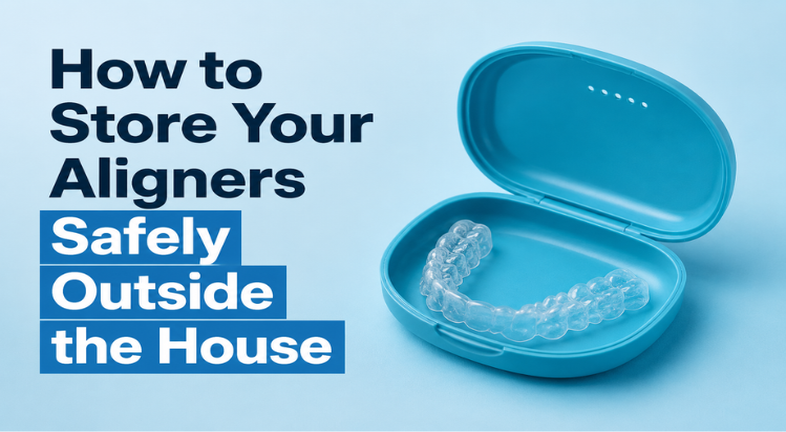
Store your night teeth guard in a ventilated case placed in a clean, dry environment and kept away from heat or direct sunlight. Proper airflow helps prevent moisture buildup, which can encourage bacteria and odour. It’s also important to clean the storage case regularly, as a dirty case can quickly reintroduce bacteria and undo all the care you’ve put into keeping your night guard clean.
When Should You Replace Your Night Guard?
Even with excellent care, night guards don’t last forever.
Signs It May Be Time for a Replacement
- Cracks or tears in the material
- Thinning or worn spots
- Persistent odour that doesn’t go away
- Changes in fit or comfort
- Increased jaw or tooth discomfort
A poorly fitting or damaged night guard should be replaced rather than cleaned repeatedly.
A Clean Night Guard Protects More than Your Teeth
Learning how to clean a night guard properly is one of the easiest ways to protect your oral health. With a simple daily routine, weekly deep cleaning, and proper storage, your dental night guard can stay fresh, comfortable, and effective for as long as possible.
A clean night guard doesn’t just protect your teeth from grinding. It supports healthier gums, fresher breath, and better overall comfort. With the right care, taking care of your night guard becomes second nature and pays off every night you wear it.





Heading