.webp)
If you’re thinking about fixing a chipped tooth, closing a gap, or smoothing out uneven edges, dental bonding is often the easiest (and quickest) way to do it. And honestly? It’s one of the most budget-friendly cosmetic treatments out there, if you know what to expect.
But here’s the part everyone worries about first:
“How much does tooth bonding cost?”
The short answer: it depends.
The long answer: let’s break it all down so you actually understand where the price comes from, what you’re paying for, and whether bonding is the right fix for your smile.
Dental bonding uses a tooth-colored composite resin to repair, reshape, or build up a tooth. Think of it like sculpting, your dentist applies the resin, shapes it, and hardens it with a special light.
It’s ideal for:
It’s quick, minimally invasive, and usually needle-free. No drilling. No downtime.
And yes, a normal dentist can do bonding; you don’t need a specialist.
Here’s the honest, simple breakdown:
The average tooth bonding cost ranges from $100 to $400 per tooth.
Why the teeth bonding cost range? Because every smile is different and every repair is different.
You’ll also see people search for things like bonding teeth cost when searching for the cost of dental bonding. They are referring to the same treatment. Just different ways people try to find the right information online.
If you call a few dental offices, you’ll hear different numbers. Here’s why:
Cosmetic work is part skill, part art. More experienced cosmetic dentists charge more because their work tends to look more natural and last longer.
Urban clinics often have higher overhead costs. Smaller towns might offer lower prices.
Each tooth adds to the total cost. Some people solve everything with one tooth. Others want eight to ten teeth bonded.
A small chip is simple. Closing a gap or reshaping a rotated tooth takes more time and precision.
Composite resins vary in color depth, durability, and polishability. Premium materials cost more but blend incredibly well with natural enamel.
Sometimes you need whitening, cleaning, or slight enamel contouring before bonding begins.
So if you ever see a wide price range for the cost of teeth bonding, now you know why.
Bonding is one of those treatments that’s way easier than people expect.
Your dentist picks a resin shade that blends with your natural enamel.
No drilling, just light etching so the resin sticks properly.
The tooth-colored material is sculpted to match your natural shape.
A curing light sets the composite in seconds.
A few finishing touches so it looks like… it was always your tooth.
Usually 30–60 minutes per tooth. If you’re bonding several teeth, it may take multiple visits.
There’s no strict limit; technically, you could bond 6–8 teeth in a single appointment if the dentist schedules enough time.
Most people do:
It depends entirely on your goals and the dentist’s timeline.
Compared to veneers, crowns, or implants? No , bonding is the least expensive cosmetic dental treatment.
Why does it seem expensive sometimes?
Bonding may look simple, but creating a “natural tooth illusion” is actual craftsmanship.
On average: 3–10 years, depending on:
Front-tooth bonding generally lasts longer because the chewing load is lower.
Bonding is often the “starter” cosmetic treatment, perfect when you want a better smile without the cost (or commitment) of veneers.
Bonding isn’t ideal for:
In these cases, a crown or veneer lasts longer and protects the tooth better.
Dental bonding for crooked teeth can sometimes create the look of a straighter smile without actually moving the teeth. It works well for small issues like slight rotations, uneven edges, or tiny gaps. The dentist reshapes the tooth using composite resin so everything appears more aligned.
But bonding only changes the surface. It can’t fix real bite problems, jaw concerns, or moderate crowding. In those cases, clear aligners like the ones by Caspersmile are the more effective solution since they move the teeth rather than “camouflage” them.
Some people even combine the two: aligners for alignment, bonding for finishing touches. A simple way to correct the position and polish the final look.
Dental bonding sits in a nice middle ground. It’s quick, affordable, and gives you noticeable results without committing to major dental work. For small chips, tiny gaps, surface reshaping, or mild cosmetic concerns, bonding can make a real difference in how your smile looks and feels. And because the process is simple, most people leave the appointment with an immediate improvement.
It isn’t the answer for every problem, especially when teeth need to be moved rather than reshaped, but for the right situation, it’s a practical and effective option. If you’re unsure whether your case fits, a short consultation can usually clear things up. Sometimes bonding alone works. Sometimes aligners help. Sometimes a combination brings out the best results.

Curated the best for your knowledge
 Are Ultrasonic Cleaners Worth It for Clear Aligners?
Yes, ultrasonic cleaners for clear aligners can be worth it, especially for removing plaque, debris, and buildup that regular brushing may miss. They use high-frequency sound waves to create tiny bubbles that help loosen buildup from the trays and other orthodontic appliances, including retainers, mouthguards, and night guards. However, they are not essential for everyone and have some limitations. Here’s how ultrasonic cleaners work, their benefits and drawbacks, and how to use one safely.
Read More The Aligner Diet: Can Clear Aligners Really Cause Weight Loss?
Some people notice they've lost a little weight after starting clear aligner treatment. It can happen, especially during the first few weeks, when taking the trays out for every meal and snack takes some getting used to. Sore teeth can also make eating less appealing for a day or two. The amount of weight lost varies from person to person, and not everyone experiences this change. Below, we'll break down why it happens, whether it's actually good for you, and what to know before treating your aligners like a diet plan.
Read More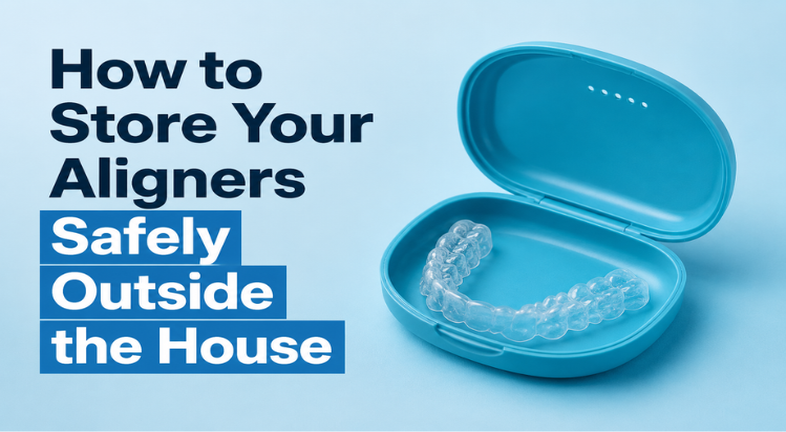 How to Store Your Aligners Safely Outside the House
Taking your clear aligners out while you're away from home is part of everyday life. The important part is knowing where to keep them until it's time to wear them again. Whether you're eating at a restaurant, traveling, running errands, or attending a social event, instead of leaving them on the table or wrapping them in a tissue or napkin, place them in a protective aligner case. Poor storage can lead to lost, damaged, or dirty aligners.
Read More


Heading