
Finding out you’re pregnant often brings a wave of questions, like “Can I safely continue dental treatment during pregnancy?” or “Are aligners during pregnancy safe for me and my baby?”
The reassuring answer is yes, clear aligners are generally considered safe when guided by your orthodontist and OB-GYN. With proper supervision and good oral care during pregnancy, you can protect your dental health and continue your smile journey with confidence.
Clear aligners are discreet, comfortable, and easy to integrate into daily life. But pregnancy changes your body, hormones, and gums, so orthodontic care in pregnancy can feel daunting.
Expert takeaway: Aligners are made from BPA-free, medical-grade plastic and use gentle pressure to guide teeth into alignment. They don’t contain harmful chemicals, and you won’t be exposed to radiation. With professional supervision, these pregnancy-safe dental procedures are one of the safest options for teeth straightening while pregnant.
You might wonder, is it really okay to wear aligners during pregnancy? It’s a fair question. There’s so much going on with your body already, it’s only natural to be cautious. The good thing is, clear aligners are made from safe, medical-grade plastic, no BPA, no metal, no weird chemicals. Just a smooth, biocompatible material that gently moves your teeth. That’s it. Nothing harsh, nothing invasive. So yes, teeth straightening while pregnant is generally considered safe, especially if you’re checking in with your orthodontist and OB-GYN along the way.
Pregnancy changes everything: your energy, your appetite, and yes, even your mouth. Those hormones that make you emotional? They also make your gums a little more sensitive. Sometimes swollen. It’s called pregnancy gingivitis, and it’s pretty common. Add a bit of morning sickness to the mix, and now you’ve got acid from your stomach brushing against your teeth, not exactly great for enamel.
That’s why oral care during pregnancy matters more than ever. Brush gently but often, rinse after nausea, and don’t skip flossing even if you’re tired (we get it). If you’re already doing orthodontic care in pregnancy, those small routines make a big difference. Aligners are safe, yes, but your mouth needs a little extra love while everything else is changing.
Most aligners now use 3D digital scans, which are completely radiation-free. Traditional X-rays are rarely needed, and if they are, protective shielding ensures your baby’s safety. Most elective imaging can wait until after delivery. These are considered standard pregnancy-safe dental procedures.
Experts say timing matters for orthodontic care in pregnancy:
Pregnancy and aligners can go hand-in-hand with a little extra care. Here are practical ways to protect your oral care during pregnancy while keeping your smile on track:
Hydrate Frequently
Pregnancy hormones can dry out your mouth, increasing the risk of decay. Drinking plenty of water helps keep your mouth clean, reduces bacteria, and prevents discomfort while wearing aligners.
Maintain Excellent Dental Hygiene While Pregnant
Keep Aligners Spotless
Rinse aligners every time you remove them and clean them thoroughly with a soft brush and mild, fragrance-free soap or aligner cleaner. Avoid hot water, which can warp the plastic.
Carry a Mini Dental Kit
A small travel kit can be lifesaving during long days or errands:
Manage Morning Sickness Effectively
If nausea or vomiting is an issue:
Stick to Your Wear Schedule
Try to wear aligners for 20–22 hours a day, even when you’re tired or uncomfortable. Missing time can slow down your teeth-straightening while pregnant.
Prioritize Regular Dental Checkups
Keep both your orthodontist and OB-GYN informed about your treatment. Hormonal changes can make gums more sensitive, so professional guidance ensures your aligners remain safe and effective.
Listen to Your Body
Every pregnancy is unique. If your gums swell, feel sore, or nausea interferes with aligner wear, it’s okay to pause or adjust your schedule. Your orthodontist can recommend slower transitions, breaks, or temporary adjustments to make treatment more comfortable.
Mind Your Diet
Minimise sugary or acidic snacks, which can increase the risk of decay, especially when wearing aligners. Focus on nutrient-rich foods that support both oral health and your pregnancy.
Small Self-Care Wins
Aligner care is not just about your teeth; it’s also about emotional wellness. Keeping up with your aligner routine can help you feel more in control, confident, and like yourself during a time of big physical and emotional changes.
Every pregnancy is unique. If you experience soreness, swelling, or nausea that makes aligners uncomfortable, it’s okay to pause or adjust. Your orthodontist can slow transitions or tweak your treatment plan. Your health and comfort come first; the smile will still be there afterwards.
Pregnancy is a wonderful, wild mix of joy, nerves, and sometimes feeling like your body’s no longer your own. And that’s okay. Many moms find that keeping up with their aligner routine helps them feel a bit more like themselves again.
Because these aligners are light, quiet, and invisible, no shiny wires or brackets catch the light. You can smile big in photos, at the doctor’s office, or even at your baby shower, and no one would know you’re in treatment. It’s a small act of self-care. A gentle reminder that while you’re taking care of your baby, you’re also taking care of you.
Are aligners safe for pregnant women? The short answer is yes. When used responsibly, clear aligners are considered safe during pregnancy. They don’t use any harmful materials, no metals, no toxins — just smooth, BPA-free plastic gently guiding your teeth.
But pregnancy changes everything. Your hormones shift. Your gums can swell. Some days, even brushing feels different. That’s why orthodontic care in pregnancy needs to be a little more mindful. Keep your aligners clean, brush softly, and never skip flossing. Tiny habits make a big difference.
Hydration helps too. Drink lots of water. And communication, that’s key. Stay in touch with your orthodontist and your OB-GYN. If your gums feel sore or your aligners start to feel tight, mention it. Your care team can adjust things so your treatment stays safe and comfortable for both you and your baby.
So yes, you can continue your teeth-straightening journey during pregnancy. Safely, carefully, and confidently. Clear aligners are designed to work with you, not against you. With good hygiene, hydration, and regular check-ins, orthodontic care in pregnancy can fit naturally into your routine. No stress, no risk, just progress.

Curated the best for your knowledge
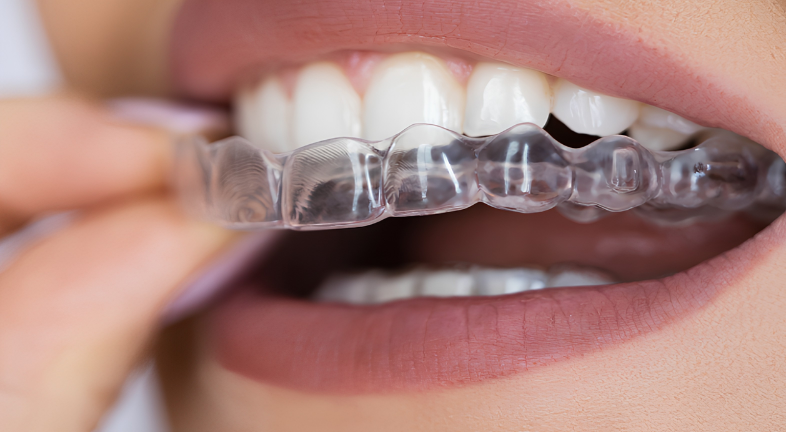 Are Clear Aligners Right for You? Common Dental Issues They Can Fix
Clear aligners can straighten mild to moderate cases of crowding, spacing, crooked teeth, and certain bite concerns without the appearance of metal brackets. These custom-made, transparent trays gradually apply controlled pressure to guide teeth into better positions, making them a discreet and convenient teeth-straightening option for eligible individuals.
Read More Why Your Aligners Stop Tracking and How to Fix It
Aligners stop tracking when they no longer fit snugly against your teeth the way your treatment plan intended, and it's almost always caused by wear time, tray damage, or a movement that's simply taking longer than expected. The good news is that most of these issues can be corrected without starting over. Below, you'll find the real reasons why aligners stop tracking, how to spot the early signs, and the exact steps that get treatment back on schedule.
Read More How Clear Aligners Affect Jaw Muscles
To answer the question, “How do clear aligners affect jaw muscles?”, clear aligners can affect the jaw muscles, but usually only mildly and temporarily. As your bite gradually shifts, the muscles you use for chewing adapt to the new tooth positions. Most people feel little to nothing at all. When soreness does show up, it tends to fade within a few days. This is different from a jaw joint (TMJ) disorder, which involves the joint itself rather than the surrounding muscle tissue.
Read More



Heading