



Teeth problems happen when we take our pearly whites for granted. When our smile is nice and healthy, we don’t think much about it. And the moment things go south, we panic. Saving, or remaking, that smile becomes a priority.
For some, though, the issues are present right from the start. Misalignment, bite issues, and teeth troubles that are more “structural” in nature. They don’t happen due to neglect; rather, they are given by luck, God, nature, whatever you believe in.
That being said, no matter the type of tooth trouble, there’s a solution out there. And we’re exploring all that today, teeth diseases and treatment, one by one.
Misalignment & Bite Problems: When Your Teeth Don’t Play Nice
.webp)
Some dental problems announce themselves with pain. Others sneak in with subtle signs, like your smile looking a little “off” or your jaw clicking every time you eat a sandwich. Misalignment and bite issues fall into this weird middle zone. They’re not always dramatic, but they can mess with your teeth, your chewing, and even your confidence over time. So, it is absolutely necessary to resolve them for improved oral health .
What Causes Misalignment or Bite Issues?
Honestly? A mix of things.
Sometimes your teeth just grow misaligned, and that’s genetics doing its thing. Other times, habits from childhood cause long-term tooth problems. Think thumb-sucking, extended pacifier use, mouth breathing, stuff like that. Then there’s injury, missing teeth, gum disease, or simply not having enough space in your jaw. And, some of these are even preventable. For example, here’s how to prevent an overbite .
Fun fact: Grinding and clenching can create alignment problems or make existing ones worse.
Symptoms of Misalignment or Bite Issues
Some are obvious. Others, not so much. You may notice:
- Crowded teeth
- Gaps
- Overbite, underbite, crossbite, open bite
- Difficulty chewing
- Speech changes
- Jaw pain or clicking
- Uneven wear on your teeth
Sometimes people don’t feel anything until a dentist points out their bite is working harder than it should.
How to Fix Them?
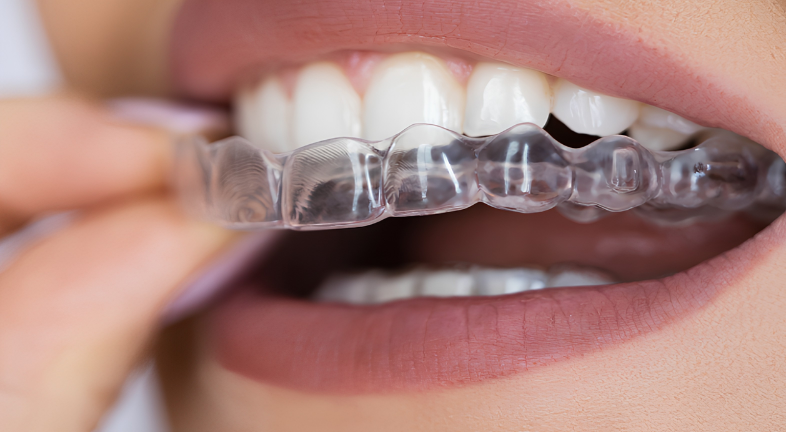
Luckily, fixing alignment is more accessible than ever. Treatment depends on the type of dental problem. For example, clear aligners ( Caspersmile ) are great for mild to moderate misalignment. Braces work beautifully for complex bite issues. Extractions are a lifesaver when there’s no space in your jaw. Elastics or bite correction tools are used to correct jaw discrepancies. And finally, retainers maintain results once everything’s in line.
And yes, early detection matters here too. The sooner the bite problem is found, the easier the correction plan.
Cavities: The Most Popular Trouble of All
%20(1).webp)
Cavities are practically celebrities in the world of tooth problems. Probably the first dental issue you ever heard about. Yet, despite all the fame, cavities remain misunderstood.
What They Are
A cavity is simply this: your tooth getting eaten away by acid-producing bacteria. Slowly at first. Aggressively, if you ignore it. Cavities are considered one of the most common teeth diseases worldwide.
What Causes Cavities?
Sugary snacks (yes, even “healthy” dried fruit), poor brushing habits, low saliva (medications can cause this), and deep grooves in teeth. Then there’s too much soda, snacking often, poor oral hygiene overall, and bacteria that thrive in chaos. All of these cause cavities.
Sometimes cavities form silently. Other times, you feel a sharp zap when drinking cold water, and that’s your tooth screaming for attention.
Symptoms of Cavities
Cavities cause sensitivity, holes or dark spots, pain when chewing, especially sweet foods suddenly hurt. Sometimes there’s zero pain, so don’t wait for pain.
How to Fix Cavities?
Good news: cavities are treatable. Here’s how
- Fillings (simple fix)
- Crowns (if it’s huge)
- Root canal (if it reached the nerve)
That being said, preventing cavities is easier than treating them. Brush, floss, reduce sugar, rinse after snacks, and get regular checkups. Doing so, you’ll keep it at bay.
Gum Disease: The Silent, Angry Problem
.webp)
Sometimes the most serious dental diseases don’t hurt at all. Gum disease is the perfect example. It starts gently, with slightly red gums, and before you know it, your gums are receding like a shoreline.
What Causes Gum Disease?
Here’s what causes it: Plaque buildup, hormonal changes, smoking, diabetes, poor brushing, and dry mouth. Gum issues fall under major teeth diseases, and treatment plans often get more complex the longer you wait.
Symptoms of Gum Disease
You might experience bleeding gums, puffy gums, bad breath, receding gumline, and tooth shifting. Sometimes it’s subtle; sometimes it’s dramatic.
How to Fix Gum Disease?
You can treat gum disease with professional cleanings, scaling and root planing, antibacterial mouthwash, better brushing/flossing, and quitting smoking.
Quick note: Your gums don’t grow back. So the earlier you tackle this, the better.
Tooth Sensitivity: That Annoying Lightning Bolt Feeling
.webp)
You take a sip of cold water and bam, a sharp, stabbing shock. Tooth sensitivity is one of the most irritating dental issues because it pops up randomly.
What Are the Causes of Tooth Sensitivity?
Tooth sensitivity happens when the protective layers (enamel or gums) wear away and expose the inner part of the tooth. Triggers include:
- Receding gums
- Worn enamel
- Whitening products
- Cracked teeth
- Grinding
- Aggressive brushing
It’s surprisingly common. Tooth problems like sensitivity can appear even in people with “perfect” brushing habits.
Symptoms of Tooth Sensitivity
People with tooth sensitivity experience pain from cold, hot, sweet, and sometimes nothing at all.
What Are the Fixes for Tooth Sensitivity?
You treat tooth sensitivity with desensitizing toothpaste, fluoride varnish, gum graft (for severe cases), fixing cracks, and switching to a soft-bristle toothbrush. Sometimes your dentist can pinpoint the cause in 3 minutes. Other times, it’s a mystery for weeks.
Toothaches: The Kind That Ruins Your Entire Day
.webp)
A toothache is not subtle. Dental problems that involve pain always feel dramatic, even if the cause is small.
What Are the Causes of Toothaches?
These things usually cause toothaches:
- Cavities
- Infections
- Gum disease
- Cracked teeth
- Grinding
- Sinus pressure (yes, really)
Symptoms of Toothaches
Pain, lots of it. But also swelling, throbbing, and sensitivity, accompanied by fever if an infection is involved.
How to Fix a Toothache?
You treat it with pain relievers (short-term), antibiotics (only if there’s an infection), and a dental exam ASAP. Never ignore a toothache; it’s your body flashing red warning lights.
Cracked Teeth: The Sneakiest of Tooth Problems
.webp)
You bite into something. Crunch! Something feels wrong. Or maybe nothing happens, until days later.
What Are the Causes of Cracked Teeth?
A few things that may cause cracked teeth include:
- Biting ice or hard candy
- Grinding (big culprit)
- Injuries
- Huge fillings
- Aging (teeth get brittle)
Symptoms of Cracked Teeth
While cracked teeth are evident, there are some associated symptoms: pain when biting, random sensitivity, a crack you can sometimes feel with your tongue, and an occasional clicking feeling.
How to Fix Cracked Teeth?
Treatments vary, but one of these works depending on severity: Bonding, crown, root canal (if it reached the nerve), and full extraction (only the worst cases). Cracks don’t heal on their own because teeth aren’t like your other bones.
Bad Breath: The Embarrassing but Extremely Common Issue
.webp)
Bad breath, also called halitosis, falls under dental issues as well as general health issues.
What Are the Causes of Bad Breath?
Here’s what causes bad breath:
- Poor oral hygiene
- Gum disease
- Dry mouth
- Infection
- Tonsil stones
- Dehydration
- Smoking
Symptoms of Bad Breath
You know the main symptom, but it can be accompanied by: sour taste, a sticky feeling, and people stepping slightly back in conversations.
How to Fix Bad Breath?
This is how you treat bad breath: brush your tongue, drink water, treat gum disease, use a mouthwash (non-alcoholic preferred), and get regular professional cleanings.
Tartar Buildup: The Tough, Rock-Like Enemy
.webp)
Plaque that hardens becomes tartar, and tartar that builds up becomes a huge dental problem.
What Are the Causes of Tartar Buildup?
Here are the culprits:
- Inconsistent brushing
- Skipping flossing
- Rough tooth surfaces
Symptoms of Tartar Buildup
Here are the things to look out for: Yellow or brown hard deposits, bleeding gums, bad breath, and gum disease.
How to Fix Tartar Buildup
A dental cleaning is the only fix for tartar buildup. No toothpaste or at-home kit can remove tartar.
Tooth Discoloration: More than Just a Cosmetic Issue
.webp)
Teeth change color. Sometimes because of habits, sometimes due to dental diseases.
What Are the Causes of Tooth Discoloration?
These things cause tooth discoloration:
- Coffee, tea, soda
- Smoking
- Aging
- Trauma
- Medications
- Enamel wear
Symptoms of Tooth Discoloration
Here’s what tooth discoloration looks like: Yellowing, brown spots, greyish discoloration, and uneven patches.
How to Fix Tooth Discoloration?
There are several ways to address tooth discoloration. Whitening, veneers, professional cleaning, microabrasion, and internal bleaching (for dead teeth) are all feasible options depending on your situation.
Wisdom Teeth Problems: A Dental Problem That Shows up Late
Wisdom teeth erupt like uninvited guests who show up at the worst possible time.
What Are the Causes of Wisdom Teeth Problems?
So, wisdom teeth problems arise due to two main issues. Wisdom teeth that are erupting sideways. And wisdom teeth getting stuck under the gums.
Symptoms of Wisdom Teeth Issues
Wisdom teeth issues come with:
- Jaw pain
- Swelling
- Gum irritation
- Headaches
- Infection
How to Fix Wisdom Teeth Issues?
This usually calls for an extraction. However, sometimes orthodontists prefer monitoring the situation until they can see any real problems.
Tooth Erosion: When Your Enamel Wears Out
.webp)
This one’s seriously underrated. It’s when you enamel thins with time.
What Causes Tooth Erosion?
Things that cause tooth erosion include acidic drinks, GERD, eating disorders, citrus overuse, and stomach acid exposure.
Symptoms of Tooth Erosion
Here’s what tooth erosion feels and looks like: Flattened teeth, sensitivity, thin enamel, and transparency at the edges.
How to Fix Tooth Erosion?
To fix tooth erosion, your orthodontist may suggest that you reduce acidic drinks, use fluoride toothpaste, undergo remineralizing treatments, and have bonding done for worn spots.
Dental Abscess: The Emergency You Shouldn’t Ignore
Abscesses are severe dental diseases that require urgent treatment.
What Are the Causes of Dental Abscesses?
These things cause dental abscesses:
- Untreated cavities
- Gum disease
- Cracked teeth
- Infection reaching the nerve
Symptoms of Dental Abscess
You’ll experience severe pain, swelling, fever, pus, and a bad taste taste in your mouth if you have a dental abscess.
How to Fix a Dental Abscess?
Root canal, drainage, antibiotics, and extraction are a few treatments used to treat a dental abscess. Never wait for an abscess, not even “one more day.” Get it treated ASAP; otherwise, it can spread to the face, jaw, neck, and even cause tooth loss.
Oral Cancer: A Serious but Important Topic
.webp)
Not all dental issues are mild. This one is not to be taken lightly.
What Are the Causes of Oral Cancer?
The possible causes are smoking, alcohol, HPV, and genetics.
Symptoms of Oral Cancer
Here are the symptoms. If you notice any of these, don’t wait to book an appointment. The symptoms include: Sores that don’t heal, lumps, persistent pain, and numbness.
How to Treat Oral Cancer?
The treatment part includes the general cancer treatment drill: Surgery, radiation, and chemo. That said, this is a broad topic. Treatment depends on staging and, as always, early detection saves lives.
How to Prevent Most Teeth Problems (Without Becoming Obsessed)
You don’t need a dental degree. Just habits.
The Basics
A few things you should never miss include brushing twice daily, flossing every day, using fluoride toothpaste, drinking water, and avoiding constant snacking.
The Next Level
Beyond the basics, try not to ignore visiting the dentist twice a year and wearing a night guard if you grind. Don’t ignore sensitivity, maintain a low-sugar diet, and replace your toothbrush every 3 months.
These tiny habits protect you from most dental diseases and treatment plans that become expensive.
When Should You See a Dentist?
Go to a dentist immediately if you notice consistent pain, swelling, bleeding, sensitivity, cracks, bad breath that won’t go away, a weird taste, or loose teeth. Dental problems rarely fix themselves. The earlier you act, the simpler and cheaper the fix.
Your Teeth Matter More than You Think
Teeth problems aren’t always dramatic. They can be small annoyances, silent threats, or sudden emergencies. But every dental issue, big or small, has a cause, a symptom, and a fix. And most of them? Preventable.
Your mouth deserves a little attention before things escalate. A bit of care, a bit of awareness, and the willingness to see a dentist before pain becomes unbearable… that’s the secret. Take care of your teeth now, and they’ll take care of you for decades.




Heading