


.webp)
Tooth resorption often goes unnoticed until real damage appears. Many people discover it during a routine dental visit and feel a wave of fear, wondering how such a hidden process could silently weaken their smile. The truth is that tooth resorption is more common than most expect, and early detection can make all the difference.
By understanding why it happens, how it progresses, and which treatments actually work, you can protect your teeth with confidence. You don’t have to feel overwhelmed. When you know what to look for, you stay one step ahead and safeguard your long-term oral health.
What is Tooth Resorption?
Tooth resorption refers to the progressive loss of the tooth structure, including the enamel, dentin, or root. This breakdown occurs when the body's cells begin attacking the tooth for unknown reasons or as a reaction to external stimuli. Resorption can be internal, starting from the pulp inside the tooth, or external, beginning at the surface and slowly affecting the root or crown. Ignoring early signs can lead to tooth weakening, misalignment, and even tooth loss.
Types of Tooth Resorption
Resorption Internal
This begins to occur within the dental pulp (or root canal) as a result of either an injury or continuous infection.
Signs
- A pink area inside the tooth indicates that a blood vessel has invaded the dentin
- There are normally no signs or symptoms at the beginning of the internal resorption process until it becomes very advanced. A tooth that suffers from internal resorption is at risk of fracturing.
Resorption External
It begins on the root surface and moves toward the center of the tooth. External resorption can happen due to an injury or fall, orthodontic treatment, pressure from a tooth that is blocked from developing (also called a tooth that is 'booted'), dental infection of some sort, or for an unknown cause (idiopathic).
External Resorption has 3 forms:
- Surface Resorption
- Inflammatory Resorption
- Replacement Resorption (ankylosis)
Knowing the type guides treatment planning. But what causes this silent breakdown? Let's look into the main triggers behind tooth resorption.
Causes of Tooth Resorption
Here are the tooth resorption causes:
Trauma and Physical Stress
A tooth that experiences frequent pressure, trauma, or injury is more likely to develop resorption. Activities like teeth grinding or clenching (bruxism) can accelerate the breakdown, especially in conjunction with misaligned teeth.
Orthodontic Treatment
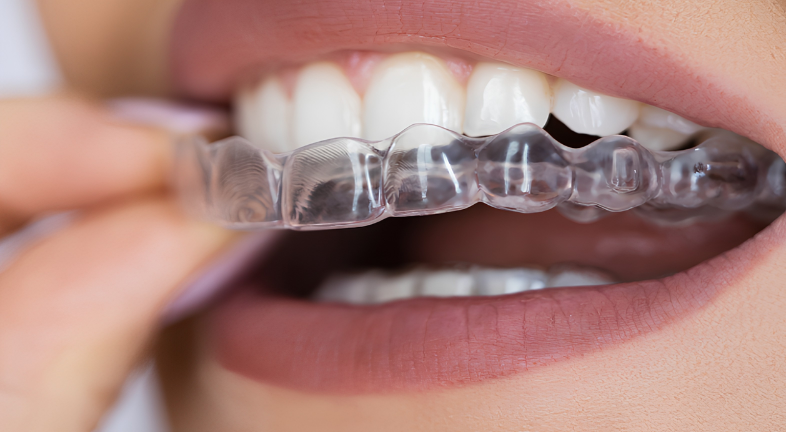
Orthodontic treatments, including braces and clear aligners , move teeth gradually. While beneficial for alignment, excessive force or prolonged treatment can trigger resorption.
Infection and Inflammation
Untreated dental infections or chronic gum disease can cause inflammation that leads to root resorption. The body's immune response, while fighting infection, may inadvertently damage tooth tissue.
Hormonal or Systemic Conditions
Certain medical conditions, including metabolic disorders or hormonal imbalances, can increase susceptibility to resorption tooth issues. Always consult a dentist if you have systemic conditions.
Genetics
Some individuals inherit a predisposition to internal resorption tooth problems. Early detection through regular dental exams is key to managing the condition effectively.
Understanding the causes naturally leads us to the warning signs. What should you watch for?
Symptoms of Tooth Resorption
Symptoms vary depending on whether resorption is internal or external. Common indicators include:
- Tooth discoloration is often pinkish from internal bleeding.
- Increased sensitivity to hot or cold foods.
- Mild discomfort or pain when chewing.
- Shortened or misshapen teeth.
- Loosening of the tooth in severe cases.
- Gum resorption that exposes the root or causes uneven gum lines.
Spotting these symptoms early is crucial. Ignoring them may escalate the issue, affecting bone density and overall oral health. Can resorption affect other teeth?
Does Tooth Resorption Spread?
Tooth resorption itself is localized. However, underlying causes like infection, trauma, or misalignment can affect nearby teeth indirectly. Prompt treatment reduces the risk of secondary damage.
But how do dentists confirm the diagnosis?
Diagnosis of Tooth Resorption
Diagnosing it involves a process conducted by a dentist to evaluate and identify potential issues with the teeth.
Clinical Examination
During your dental visit, the dentist begins with an examination of your teeth and gums. They will look for visible signs of tooth resorption in the tooth structure.
Dental X-Rays
The dentist may take dental X-rays to get a more in-depth view of your teeth and their roots. These X-rays provide detailed images that help reveal any internal or external resorption occurring in the teeth.
CT Scans or 3D Imaging
In certain cases, especially when dealing with complex dental issues, more advanced imaging techniques like CT scans or 3D imaging may be used. These provide a three-dimensional view, offering a clearer angle of the affected areas.
Biopsy
In rare and severe cases where the diagnosis is challenging, a small tissue sample, known as a biopsy, may be taken for further examination. This step is not common but may be considered in unique or complicated situations.
Once diagnosed, a tailored treatment plan can prevent further damage. So, what treatment options exist for tooth resorption?
Tooth Resorption Treatment Options
Treatment varies depending on the severity, type, and location of the resorption.
Root Canal Therapy
Endodontic treatment, or root canal treatment, includes cleaning, filling, and sealing both the root (pulp) of a damaged tooth and preserving a tooth that can still be restored. Using this method for endodontics will keep the patient comfortable with little to no discomfort during the procedure and result in a high rate of success.
Dental Crowns
In cases where a large amount of the tooth structure remains in place, you can utilize a crown. This restorative measure allows for the repair of the tooth structure. If this option is available for you, your dentist will shape and customize the tooth and place the permanent crown to complete your restoration.
Extraction
Some teeth may not be dentally viable, and an extraction would be required. In this case, you will be presented with two alternative possibilities: a bridge or an implant.
Gum Surgery
Periodontal surgery is the term used to describe the surgical removal of gum tissue surrounding the root of a tooth to gain access to the tooth's apex (tip). This type of periodontal surgery is performed on the outer surface of the gum, above the impacted tooth.
Implant
The extraction and dental implant method is a commonly utilized and validated safe alternative for patients who have a tooth with extensive root resorption. The titanium post that is placed into the bone of the jaw serves as an anchor for the crown, and, by doing so, it stimulates the development of new bone and tissue where there was none previously. The result is that the implant looks and functions like a natural tooth.
Monitoring and Regular Checkups
Mild resorption cases may only require careful monitoring, frequent dental visits, and preventive measures.
Addressing Underlying Causes
Correcting bite misalignment, managing bruxism, and treating gum disease or systemic conditions can halt progression and protect other teeth.
With treatments available, prevention remains equally important. How can you reduce your risk?
Preventive Measures for Tooth Resorption
Tooth resorption can be difficult to prevent, as it can occur for various reasons. However, there are some steps that people can take to reduce their risk of developing tooth resorption. These include:
- Regular dental checkups every six months.
- Using protective gear for the teeth during sports.
- Controlling bruxism with night guards.
- Maintaining excellent oral hygiene to prevent infection.
- Avoiding excessive orthodontic force.
Prevention is about proactive care. But sometimes, resorption affects the bone itself. Can bone density be restored?
Managing Bone Density Loss
Bone resorption may occur alongside tooth resorption, weakening the jaw. Dentists recommend:
- Bone grafting in severe cases.
- Supplements or a diet rich in calcium and vitamin D.
- Controlled orthodontic treatments that do not stress roots excessively.
Preventive strategies combined with effective treatment ensure long-term oral health. Now, let's discuss internal resorption in detail.
Final Takeaways: Keeping Your Teeth Safe from Silent Damage
Tooth resorption is a complex condition that can silently compromise dental health. Early detection, preventive care, and proper treatment are essential. Modern solutions offer gentle, effective tooth movement while reducing stress that contributes to resorption. By understanding the causes, recognizing the symptoms, and taking proactive steps, you can maintain healthy teeth, preserve bone density, and prevent long-term complications. Timely dental care ensures your smile remains both beautiful and strong.




Heading