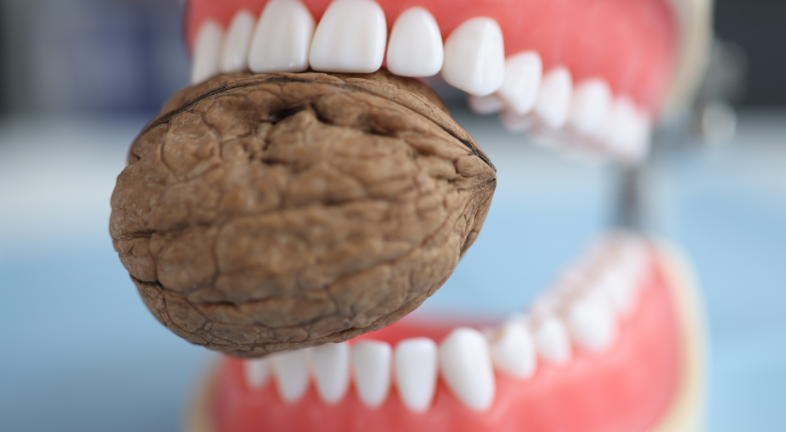
Do you feel that your teeth are not as strong anymore? Maybe your teeth hurt when you bite into an apple, or you get dental sensitivity when eating something cold or hot? Well, you are not imagining it. With time, your teeth can lose their strength. You ask how? The short answer is weak enamel.
Most people will lose the strength in their teeth with time. This can happen due to bad food choices, improper dental hygiene or technique, and even some genetic factors. But here is the thing, although your teeth can not grow enamel, you can still preserve it. There are many things you can do to strengthen teeth, including natural at-home methods. In this blog, we will discuss everything you can do to make teeth stronger.
Your tooth’s strength depends on nothing but enamel. Strong enamel means strong teeth. But what is it? It is the outermost layer of your teeth. The enamel of the teeth is the strongest part of your body.
The thing you need to understand is that teeth strengthening is all about saving the integrity of the enamel. Minerals are what make up the composition of enamel. Consistent use of soft drinks and sugary foods can slowly dissolve those minerals. This process is called demineralization.
Now, there are some natural mechanisms that protect your teeth. Saliva is the biggest natural repair system for your oral health. It helps neutralize the acids in your mouth. This is called remineralization.
Now, if saliva is unable to eliminate acid effectively. This can cause the enamel to weaken faster. This is what causes sensitivity and pain.
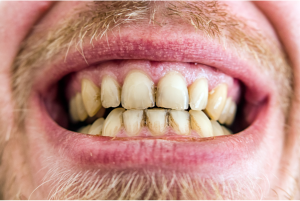
Wondering how to make teeth strong naturally? Good news, it is easy! While enamel doesn’t “grow back” once it’s gone, you can help it remineralize - basically, rebuild lost minerals and protect it from further wear. The trick is giving your mouth what it needs to stay in balance.
Here’s how to strengthen your teeth naturally (and without overcomplicating it):
Calcium and phosphorus, that’s the recipe. Think cheese, yogurt, tofu, almonds, eggs, and even leafy greens. If you’re a vegan, look for calcium-fortified oat or soy milk.
Your enamel doesn’t grow back, but it can rebuild minerals and get tougher from within.
It’s not old-school; it’s timeless. Fluoride helps your enamel become more resistant to acid and rebuilds the weak spots. Brush twice a day with a fluoride toothpaste, and if your local tap water is fluoridated, that’s a bonus your teeth will thank you for.
Saliva is the quiet hero of oral health. It neutralizes acid, delivers minerals, and keeps bad bacteria from taking over. But for that, your body needs water. So drink up and chew sugar-free gum if your mouth feels dry. Remember, a “wet mouth” is actually a healthy mouth.
Crisp fruits and veggies ike apples, carrots, and celery give your teeth a light scrubbing while you chew. They boost saliva, too. It’s like a mini mouth rinse nature built in.
Grinding your teeth is often your body’s silent reaction to tension. Relax your jaw during the day, stretch, breathe deeply, and when brushing, be gentle. A soft-bristled brush cleans just as well as a hard one without peeling off your enamel in the process.
When it comes to how to strengthen teeth, it’s not just about what you eat - it’s about what you do every single day. Here are a few small habits and tips that can help make your teeth stronger .
Never brush your teeth right after drinking something acidic, and even right after waking up. It is always better to wait 30 minutes after acidic food intake. And before you brush, take a few sips of water so that it can help remove some of that acid.
Hard bristles might feel like they’re cleaning better, but they actually scrub away enamel over time.
A soft-bristled brush (manual or electric) is gentler and just as effective when used properly.
More brushing isn’t always better. Stick to twice a day for two minutes each time. Brushing too often - or too aggressively - can thin enamel and make your teeth more sensitive, not stronger.
The only way to really avoid cavities and tartar is flossing. No matter how much you brush your teeth, it can not replace flossing. Flossing is the only way to remove plaque.
Sugar-free gum is a great way to boost your natural dental health. It helps promote saliva production and can even provide a slight cleaning effect. Good breath is just an added bonus. Choose gum with xylitol for an extra cavity-fighting boost.
Although home remedies and daily care can help preserve your teeth to some extent, they still need some extra love now and then. Your teeth, like all machines, work very hard every day. So, for most people, getting professional help sometimes becomes important. A dentist can help make your teeth stronger so that your at-home care is also more effective. Here are a few treats you can get at your next appointment.
For teeth that are just a bit tired (from working so hard), you can ask your dentist if you are a good candidate for fluoride treatment. It is a very simple and basic treatment that can be done in a few minutes. Your dentist will simply apply a gel to your teeth and let it sit for a few minutes. And that is it. It works like a primer; the minerals from the gel will sink into the weak spots in your teeth. This way, your teeth will become stronger and less likely to decay.
Dentists sometimes recommend calcium or phosphate-based gels that restore essential minerals to enamel. These are especially helpful if your teeth feel sensitive or you’ve got early signs of enamel thinning.
Here’s something most people don’t think about: before you find treatment for how to get stronger teeth, address your misaligned or crowded teeth. These can actually wear enamel down faster due to uneven bite pressure or grinding. Using clear aligners for misaligned teeth can help fix alignment, reduce friction, and protect enamel from unnecessary wear. A straight smile isn’t just aesthetic - it’s stronger and healthier too.
While things like improving your diet, adopting proper brushing techniques, and using a fluoride toothpaste can help slow enamel erosion, it is also recommended that you see a dentist. With the help of a dentist, you can develop a routine that is best suited for your dental needs, as they can guide you better on the oral products you should use. Most importantly, they can identify any underlying issues that may cause issues later.
A key ingredient in dental health is fluoride. It fills in those tiny weak spots before they turn into bigger problems. Another thing is to use tools and appliances to protect your teeth. If you grind your teeth while you sleep, a night guard can save you from a lot of damage. And if your bite feels uneven, clear aligners might help straighten things out and stop extra wear. All you need is to show your teeth a little care and love, and your teeth will thank you for it.

Curated the best for your knowledge
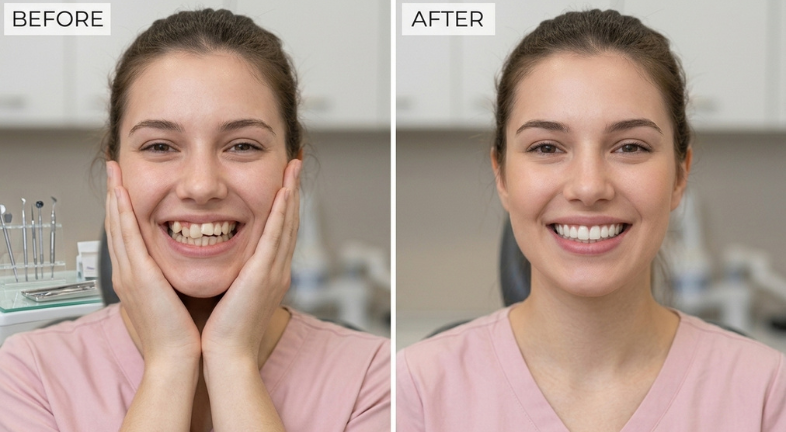 Do Clear Aligners Change Your Face Shape?
Yes, aligners can change your face shape slightly, mainly by changing the position and alignment of your teeth and, in some cases, your bite. But they don’t change your actual bone structure.
Read More What to Do If You Lose Your Aligners While Traveling
The first thing is to contact your provider and figure out if you can switch back to a previous tray or move to the next one. Losing your aligners while traveling can be stressful, but it does not necessarily mean your treatment will be disrupted. The most important thing is to act quickly. Look for your missing tray, wear your previous aligner if advised, and contact your provider for instructions on what to do next. In this guide, we’ll explain what to do if you lose your aligners while traveling, how a lost aligner can affect your treatment timeline, and what you can do to prevent it from happening again.
Read More Building Better Habits During Clear Aligner Treatment
Building better habits during clear aligner treatment can help you stay consistent with aligner wear, oral hygiene, and your treatment plan. Simple routines, such as wearing your aligners as directed, cleaning them regularly, and keeping track of your wear time, can make treatment easier to manage and help you stay on schedule. In this guide, we’ll cover the most important habits during clear aligner treatment and practical ways to make them part of your daily routine.
Read More



Heading