


Key Takeaways
- How clear aligners affect daily life comes down to a few manageable adjustments; most people adapt within the first week and carry on with their normal routine.
- Clear aligners must be worn 20 to 22 hours daily for treatment to progress as planned; consistency in wear time matters more than anything else.
- Eating with clear aligners requires removal before every meal, but there are no food restrictions, making them far more flexible than traditional braces.
- Do clear aligners affect speech? Yes, but only temporarily. Most patients regain normal speech patterns within a few days of starting treatment.
- Living with clear aligners actually improves oral hygiene habits; patients brush more consistently, floss more regularly, and drink more water throughout treatment.
- Clear aligners lifestyle changes are largely positive, from reduced snacking to better oral care routines, most patients consider them healthy side effects rather than inconveniences
Many people ask, how do clear aligners affect daily life before starting treatment. While you'll need to remove them before meals and wear them for 20–22 hours a day, they have little impact on your everyday routine. With a few simple habits, you can continue working, studying, exercising, and socializing with confidence.
Understanding How Clear Aligners Affect Daily Life
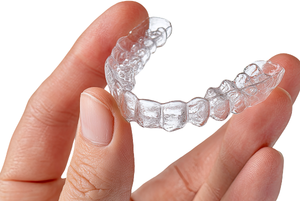
Clear aligners fit into most daily routines with only a few adjustments. You'll need to wear them for 20–22 hours a day, removing them only to eat, drink anything other than water, and brush your teeth. This means planning meals, cleaning your teeth before putting the aligners back in, and carrying your case when you're out.
The first few days are the adjustment phase, so it's normal to experience
- Mild tooth pressure
- Soreness around the gums
- Increased saliva production
- Temporary speech changes
- Feel of aligners in your mouth. These effects usually improve as you get used to wearing your aligners.
Do Clear Aligners Affect Speech?
For some people, the answer is yes, but only temporarily. Because the trays sit over your teeth, your tongue may need time to adjust when pronouncing certain sounds, especially "s" and "sh."
Most patients regain their normal speech patterns within a few days.
You can speed up the aligners' adjustment period by doing the following practices:
- Reading aloud daily
- Practicing conversations
- Wearing aligners consistently
- Avoiding unnecessary tray removal
How Does Eating Change during Treatment?
If you’re thinking, what food can you eat with aligners? The answer is simple: you can eat anything you like. Just remove your aligners before eating, then brush or at least rinse your teeth, and reinsert the aligners after your meal.
Steps to Follow before Eating
- Remove your aligners.
- Store them safely in their case.
- Eat your meal.
- Brush and floss if possible.
- Reinsert the aligners
Snacking Habits May Shift Slightly
Frequent snacking means more removal and reinsertion throughout the day. Most people naturally reduce casual snacking, not because they cannot eat, but because the habit of removing trays creates a small barrier. This habit often supports better eating patterns during treatment.
What is the Impact on Your Oral Hygiene Routine?
One of the positive effects of aligner treatment is increased awareness of oral hygiene.
Because trays fit closely against the teeth, maintaining cleanliness becomes even more important. Patients often brush more regularly and become more consistent with flossing habits.
A proper cleaning routine during clear aligner treatment includes:
- Brushing after meals
- Cleaning aligners daily
- Flossing before bedtime
- Rinse trays when removed
These habits support both treatment success and overall oral health.
The Impact of Clear Aligners on Social Life
Clear aligners have minimal impact on your social life because they are transparent and designed to fit closely over your teeth. Most people won't notice you're wearing them unless you point them out. You can confidently attend work, social events, dates, and meetings without the appearance of traditional braces.
The biggest adjustment is remembering to remove your aligners before eating or drinking anything other than water. You may also need to brush your teeth before putting them back in, especially when dining out. Some people experience slight speech changes during the first few days, but these usually disappear as the tongue adapts to the aligners.
Overall, clear aligners allow you to maintain your normal lifestyle while straightening your teeth with very little disruption.
Can You Wear Clear Aligners While Exercising or Playing Sports?
Yes, you can wear clear aligners during most forms of exercise, including running, gym workouts, yoga, cycling, and other non-contact sports. In fact, it's recommended to keep them in during these activities to maintain the required daily wear time.
If you play contact sports such as football, rugby, boxing, or hockey, you should remove your aligners and wear a properly fitted sports mouthguard instead. Clear aligners are not designed to protect your teeth from impact and can crack or fail to cushion a blow.
Clear Aligners Fit around Your Daily Life without Hassle
Clear aligners lifestyle changes are small, and the adjustment period is short. You eat the same foods, speak almost immediately as normal, and maintain better oral hygiene than you likely did before treatment. The only consistent requirement is wearing your trays for 20 to 22 hours a day and keeping them clean.
Whether you are starting treatment for the first time or returning after teeth have shifted, clear aligners can help you straighten your teeth discreetly and comfortably.

%20(1).webp)



Heading