%20(1).webp)
One of the biggest reasons people choose clear aligners is their nearly invisible appearance. Unlike traditional braces, they blend in with your smile and are difficult for others to notice. However, that advantage disappears when aligners start turning yellow.
Aligner wearers are often surprised by how quickly discoloration can happen and ask how to prevent clear aligners from turning yellow. A few daily habits, such as drinking coffee while wearing trays or skipping proper cleaning, leave aligners looking stained and cloudy.
Fortunately, yellow aligners treatment is possible with consistent care and a few simple adjustments to your routine. Yellowing is totally preventable, and your aligners can stay clear throughout treatment.
Clear aligners turn yellow mainly because of exposure to staining foods and drinks, along with the buildup of plaque, bacteria, and dried saliva over time, as reported in research studies . The medical-grade plastic used in aligners is porous, so it absorbs pigments and minerals from what you eat and drink.
As clear aligners are worn for 20-22 hours a day, this tends to happen more quickly when the trays aren’t cleaned properly or when they’re worn while consuming anything other than water.
The main culprits behind aligner discoloration include:
Dark beverages such as coffee, tea, and red wine contain pigments that easily attach to plastic surfaces. Even a single cup of coffee while wearing aligners can gradually affect their appearance.
When plaque accumulates on aligners, it creates a dull film that reduces their clarity. Instead of looking transparent, trays may appear cloudy or yellowish.
Tobacco products are among the most common causes of severe aligner discoloration. Smoke particles penetrate the plastic and leave behind stubborn stains that are difficult to remove.
Residue from saliva, bacteria, and food particles builds up throughout the day, eventually causing noticeable discoloration. If not cleaned properly, aligners become cloudy. Simply rinsing aligners with water is not enough, and it is good practice to wash them in a cleaning solution. Clear aligner provider brands like Caspersmile provide aligner care kits that include an aligner cleaner and whitener.
.webp)
If we had a dollar for every time we heard how to prevent aligner stains. One of the easiest ways to prevent staining is to remove aligners whenever eating or drinking anything other than water.
Furthermore, hot beverages should be avoided while wearing aligners, as high temperatures do not only contribute to staining but also distort the material. It affects how well the trays fit. For best results, only plain water should be consumed while the aligners are in place.
Ideally, teeth should be cleaned after every meal and snack, including careful flossing to clear any remaining buildup, followed by a quick rinse before reinserting the aligners. Ensuring the mouth is properly cleaned before wearing the trays again helps prevent discoloration and keeps the aligners looking clear and well-maintained.
Placing aligners back in right after eating without cleaning your teeth transfers leftover debris and surface residue onto the trays, which affects their clarity over time. Maintaining good oral hygiene is essential for keeping aligners fresh and transparent throughout treatment.
Cleaning clear aligners properly is a must. Aligners should be cleaned every morning and every night. While rinsing helps remove loose debris, it does not eliminate the bacteria and film that accumulate on the plastic throughout the day.
One common mistake is using toothpaste to clean aligners. Although toothpaste works well for teeth, many formulas contain abrasive ingredients that create tiny scratches on the plastic. These scratches make aligners appear cloudy and provide more places for stains to collect.
A small habit that makes a big difference is rinsing aligners every time they are removed. Saliva dries quickly on plastic surfaces. Once it dries, it can leave behind a film that makes aligners look cloudy or dull.
To prevent buildup, rinse trays as soon as they are removed and avoid leaving aligners exposed with residue on them. You must clean trays before storing them in an aligner protective case. These quick rinses take only a few seconds but significantly reduce discoloration over time.
For anyone investing in clear aligner treatment, avoiding tobacco products helps maintain a cleaner and more discreet appearance. Smoking is one of the fastest ways to turn clear aligners yellow. Tobacco smoke contains particles that cling to plastic surfaces and create deep stains. Over time, the discoloration becomes more noticeable and much harder to remove.
Clear aligner care guide starts with daily brushing, which removes surface debris, but soaking in a cleaning solution helps tackle stubborn buildup that brushing alone misses. Many aligner wearers find that soaking trays once a day helps maintain their clarity and freshness. Knowing how to keep aligners clean not only protects clear aligners from turning yellow but also improves your oral hygiene.
Several at-home clear aligner brands like Caspersmile offer very effective cleaning options, including:
Moreover, patients can also use a vinegar-and-water mixture occasionally for cleaning if professional cleaning options are not available. A typical soak lasts between 15 and 20 minutes. After soaking, aligners should be rinsed thoroughly before being placed back in the mouth.
One rule remains important regardless of the cleaning solution used: never soak aligners in hot water. Heat can permanently warp the plastic and affect treatment progress.
It is also important to avoid aggressive scrubbing or abrasive cleaners. These can scratch the plastic and make staining even more noticeable.
Clear aligners stay transparent when daily hygiene becomes part of the routine. Removing trays before meals, brushing thoroughly before reinserting them, rinsing regularly, and using soaking solutions can significantly reduce the risk of yellowing.
The clearer the aligners remain, the more discreet they look throughout treatment. In many cases, preventing discoloration comes down to a few simple habits practiced consistently every day.

Curated the best for your knowledge
 The Aligner Diet: Can Clear Aligners Really Cause Weight Loss?
Some people notice they've lost a little weight after starting clear aligner treatment. It can happen, especially during the first few weeks, when taking the trays out for every meal and snack takes some getting used to. Sore teeth can also make eating less appealing for a day or two. The amount of weight lost varies from person to person, and not everyone experiences this change. Below, we'll break down why it happens, whether it's actually good for you, and what to know before treating your aligners like a diet plan.
Read More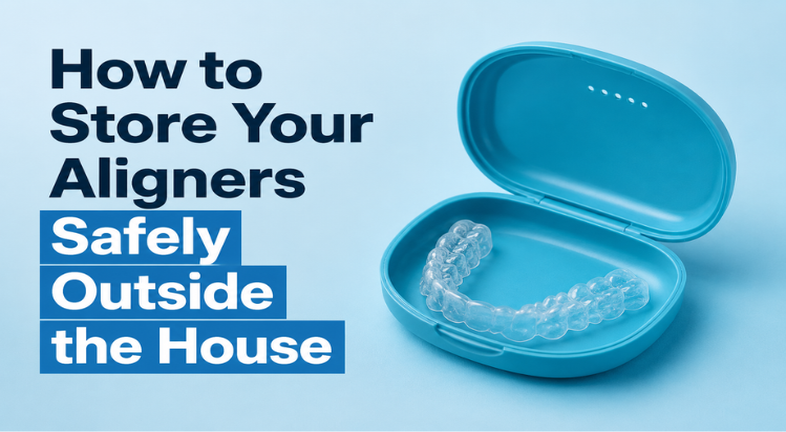 How to Store Your Aligners Safely Outside the House
Taking your clear aligners out while you're away from home is part of everyday life. The important part is knowing where to keep them until it's time to wear them again. Whether you're eating at a restaurant, traveling, running errands, or attending a social event, instead of leaving them on the table or wrapping them in a tissue or napkin, place them in a protective aligner case. Poor storage can lead to lost, damaged, or dirty aligners.
Read More Should You Use Mouthwash to Clean Aligners?
Can you clean aligners with mouthwash? Mouthwash is not the preferred way to clean clear aligners. It is formulated for rinsing your mouth, while aligner-safe cleaning products are designed to clean the trays. Coloured mouthwash can also stain or discolour clear plastic. Remove your aligners before using mouthwash, then clean your trays separately with cool or lukewarm water and an approved cleaning method.
Read More



Heading