
So, you’ve been thinking about straightening your teeth for a while. Maybe you’re busy. Maybe you hate the idea of having trays in your mouth all day. Maybe braces feel… well, old school.
Here’s the thing: your teeth don’t just magically line up overnight. They need gentle pressure, consistent aligner wear, and a plan that fits your life. That’s where nightonly clear aligners come in. Not a miracle. Not a replacement for all-day braces in severe cases. But for a lot of people, they’re surprisingly effective.
Now, overnight teeth aligners aren’t new, but they are trending. People want convenience, discreet wear, and minimal interference with daily life. And yes, some at-home brands, like Caspersmile , offer options specifically designed for nightwear. No fuss, no constant daytime trays, just a simple nighttime routine.
But how does it actually work? And who’s it for? Let’s break it down.
Think of them like a gym for your teeth, but only at night. Your teeth still move, still shift, still straighten. Just not under full-time pressure.
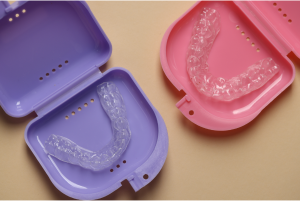
Nighttime aligners are custom-made trays you wear while you sleep. Usually 8–10 hours. Not optional. Skip nights, and you’re skipping progress. They work by applying gentle, consistent pressure. Over time, teeth adjust. Slowly. Predictably. Safely.
And yes, you can binge-watch your favorite show while your teeth do the heavy lifting. Multi-tasking level: expert.
Let’s get into the mechanics. Don’t worry, no dentist jargon here.
Here’s the truth: these trays won’t fix everything. Crowding or bite issues that are severe usually need full-time wear. Night-only aligners are best for mild to moderate cases.
Not everyone. Let’s be honest.
They’re perfect for:
So, does that mean your teeth straighten themselves while you sleep? Not exactly. They still need gentle pressure and a bit of discipline. Brands like Caspersmile make effective clear aligners for nighttime , which can easily be incorporated into your routine.
Here’s why night aligners are gaining attention:
But a quick reality check: skip nights, skip results. Night aligners are effective, but only if you wear them. Think of them like a night-shift trainer for your teeth. They work while you sleep…if you actually show up.
Before you rush out, a few caveats:
The takeaway? They work, but only if you commit.
Myth 1: You can straighten teeth overnight.
Reality: Slow, steady pressure works. Not magic.
Myth 2: They’re less effective than full-day aligners.
Reality: Slower, yes. But for mild cases, results can be just as good if you’re consistent.
Myth 3: You don’t need check-ins.
Reality: Some oversight is helpful, even if it’s at-home photos or occasional dentist visits.
Myth 4: They’re uncomfortable.
Reality: Slight pressure is normal, especially at the start. That’s how teeth move.
So, you’ve got your night aligners. Great. But here’s the reality, they only work if you actually use them. No shortcuts. No guessing. If you want results, a little effort goes a long way.
Consistency is king
Seriously. Wear your aligners every night. Miss one night and it’s like hitting the pause button on progress. Two nights? You guessed it, slower results. Your teeth need gentle, steady pressure to move. Think of it like a nightly workout for your smile. Show up consistently, and you’ll start to see change.
Clean trays regularly
Your night aligners are great as long as they are clean. Dirty aligners can trap bacteria and promote plaque. So your teeth might be straightening, but they are also slowly rotting. To avoid that, clean your aligner after every use. In the morning, when you take out your aligners, brush them with a soft-bristle brush and some lukewarm water. And keep them dry, this way you will come home to fresh aligners every day.
Stick to your plan
Night aligners only work if you wear them regularly. Missing a night is like skipping a day at the gym. You might still see some results, but it will take much longer. Wear them as recommended and be patient. Straightening your teeth takes time, not just a few nights.
Track progress
Take a quick photo of your teeth every few weeks. You’ll actually see little changes that you might not notice otherwise. If you’re using at-home aligners like Caspersmile, check your progress using their AlignerTracker app, so you don’t have to guess if you’re doing it right.
Travel tips
Life doesn’t stop just because you’re straightening your teeth. Keep a small, sturdy case handy whenever you travel. Trays are easy to lose or forget in a bag, and one missed night on a trip can slow progress. Pack smart, and your teeth will thank you.
Night aligners are convenient, but there are a few lifestyle hacks that help:
Here’s the truth, night-only aligners aren’t magic. They won’t straighten your teeth while you binge-watch your favorite show one night and skip the next. But for the right person, they’re surprisingly effective, convenient, and discreet.
Busy adults, night owls, people who want straight teeth without a daytime tray constantly in their mouths. That’s the sweet spot. Mild to moderate misalignment can often be handled with consistent nighttime wear. Severe cases? Still need a full-day approach or traditional braces.
Now, here’s where it gets practical. If you’re thinking about giving night aligners a try, start by asking yourself a few questions:
If your answers are mostly yes, then you’re in the right mindset. Nighttime aligners are designed to fit into your life, not take over your day. Some at-home brands, like Caspersmile, make it easy: custom-fit trays, simple guidance, and a system designed for your nightly routine.

Your teeth can still move, but more slowly. Night-only wear works best for mild to moderate alignment. Skip nights, and progress stalls. Think of it like skipping gym sessions; you won’t see the results as quickly.
Yes, but for the right cases. Mild crowding or spacing? Absolutely. Severe misalignment? Probably not. They’re convenient, discreet, and fit nicely into your lifestyle, but they’re not a magic overnight fix.
People often mention forgetting to wear them or trays feeling tight at first. That initial pressure can be annoying, but it’s normal; it means your teeth are moving. Some folks also dislike cleaning them regularly, but it’s worth it for the results. At-home systems like Caspersmile give clear instructions, making this part easier.
Usually a little longer than full-day wear. Mild cases might see results in 6–12 months. Full-day aligners are faster, but night-only aligners still get the job done if you’re consistent.
For night-only aligners, aim for 8–10 hours. Full-day aligners require 20–22 hours. The key is consistency. Miss a night or two, and you’re basically hitting the pause button on progress.
Night aligners are designed for shorter wear, usually 8–10 hours while you sleep. Full-day aligners need almost constant wear, which can be inconvenient for busy adults. Night aligners are more lifestyle-friendly, but the trade-off is slower movement. Both types use the same principle, gentle pressure to guide your teeth, but need discipline and consistency to work.
Curated the best for your knowledge
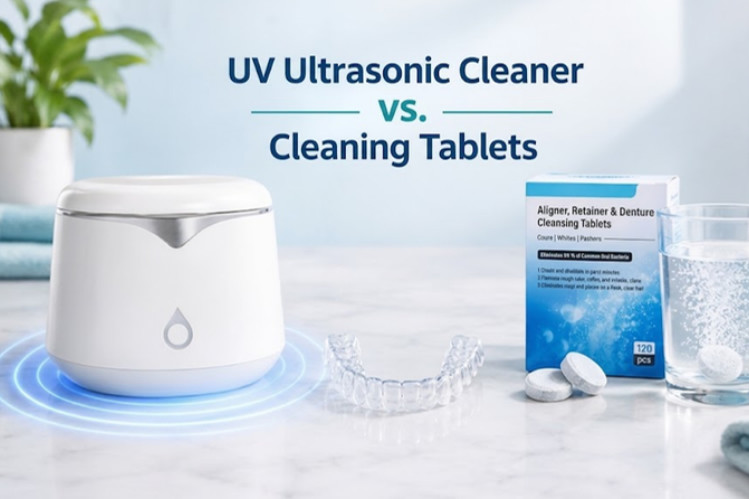 UV Ultrasonic Cleaner vs. Cleaning Tablets: Which Keeps Aligners Cleanest?
A UV ultrasonic cleaner offers a deeper, device-based cleaning approach, while cleaning tablets give you a simple soak-and-rinse option. Both can help remove daily buildup, but the way they clean your aligners is quite different.
Read More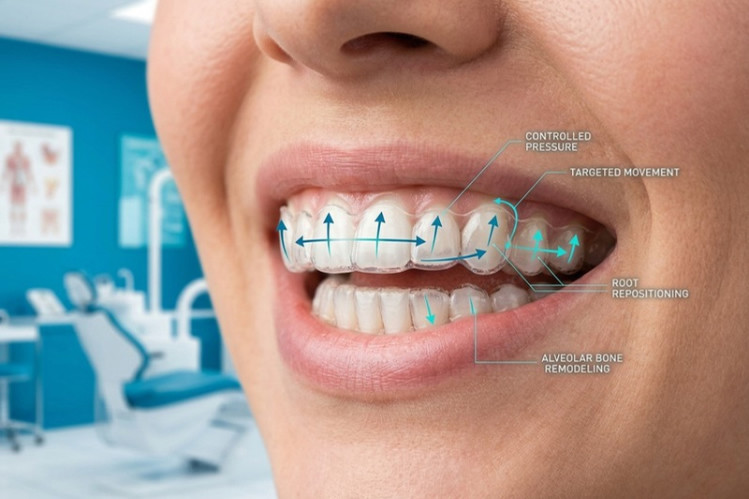 Science Behind a Perfect Smile: How Clear Aligners Shift Your Teeth Safely
Clear aligners work by applying controlled, gentle pressure to specific teeth, gradually guiding them into planned positions over time. Each custom-made aligner fits over the teeth and creates small movements according to a digital treatment plan. As the teeth respond to this pressure, the surrounding bone and periodontal ligament remodel to support their new positions. Caspersmile uses a planned series of clear aligners to guide tooth movement throughout treatment.
Read More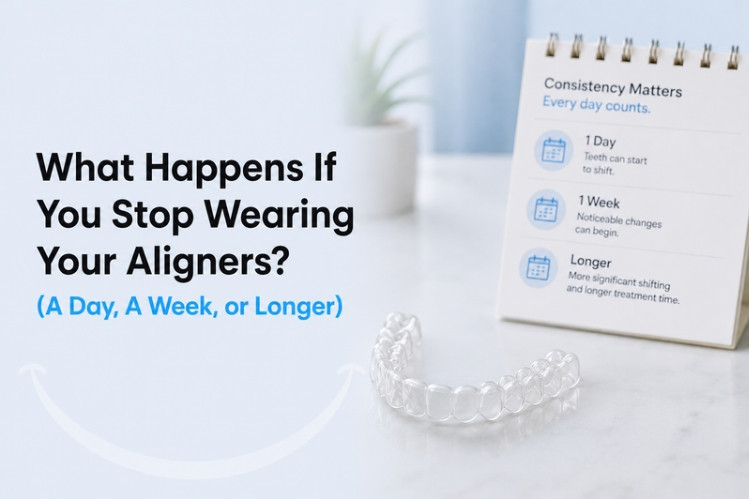 What Happens If You Stop Wearing Your Aligners? (A Day, A Week, or Longer)
If you stop wearing clear aligners, your teeth start drifting back toward their original position almost immediately, and the longer the break lasts, the harder it becomes to reverse. That's the short answer. But how much damage actually gets done depends on the timeframe. A missed evening is very different from a missed month.
Read More
 UK
 USA
 Australia