
 UK
 USA
 Australia
Key Takeaways
- How clear aligners work: They apply controlled pressure to gradually guide teeth into planned positions.
- Science behind clear aligners: The periodontal ligament and surrounding bone remodel to support tooth movement.
- Clear aligner treatment process: Custom trays guide teeth through small, planned stages, with progress monitoring when needed.
- Treatment time: Teeth may begin responding within days, but complete treatment can take several months or longer, depending on case complexity.
- Consistent wear matters: Following the prescribed daily wear schedule helps keep treatment on track.
- Tooth movement varies: Tooth anatomy, biological response, aligner fit, and treatment compliance affect how quickly teeth shift.
- Retainers protect results: Wearing retainers as directed helps prevent teeth from shifting back after treatment.
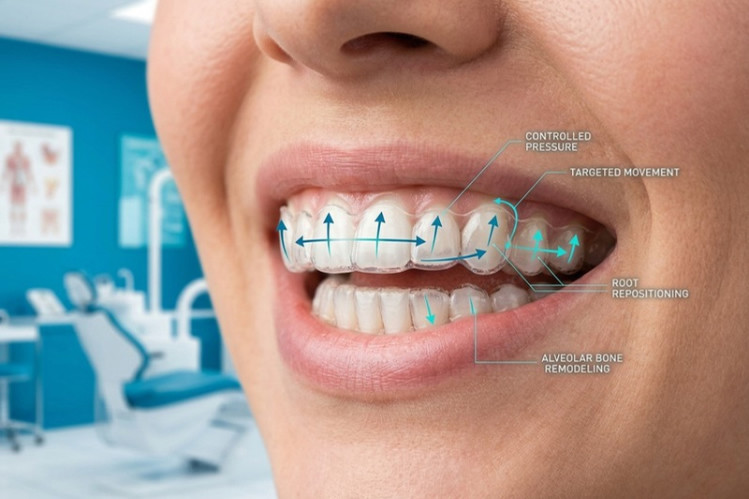
Clear aligners work by applying controlled, gentle pressure to specific teeth, gradually guiding them into planned positions over time. Each custom-made aligner fits over the teeth and creates small movements according to a digital treatment plan. As the teeth respond to this pressure, the surrounding bone and periodontal ligament remodel to support their new positions. Caspersmile uses a planned series of clear aligners to guide tooth movement throughout treatment.
Understanding how clear aligners work helps patients know what to expect, why consistent wear matters, and why professional oversight is essential for safe, predictable results. Although the aligners may look simple, their effectiveness depends on carefully planned forces, biological responses, and consistent use throughout treatment.
How Clear Aligners Work: The Science of Tooth Movement
Clear aligners move teeth through a biological process called orthodontic tooth movement. Instead of physically pushing teeth through solid bone, aligners apply controlled forces that trigger changes in the tissues around each tooth.
Custom Aligners Apply Controlled Pressure
Each aligner is designed to fit the teeth closely while introducing small differences between their current positions and the positions planned for that treatment stage. When patients wear the aligner, it applies pressure to specific areas of the teeth.
This aligner pressure on teeth helps guide movements such as rotation, tipping, and certain types of bodily movement. Each new aligner introduces another planned stage, allowing teeth to progress gradually rather than attempting a major change at once.
The Periodontal Ligament Responds to Pressure
Every tooth is connected to the surrounding jawbone by the periodontal ligament, a thin layer of connective tissue that helps anchor the tooth in its socket.
When an aligner applies force, the periodontal ligament experiences changes in pressure and tension. These changes trigger cellular responses that help the body adapt to the planned movement.
The response involves two important processes:
- Bone resorption: Specialized cells called osteoclasts help remove bone in areas where space is needed for tooth movement.
- Bone formation: Cells called osteoblasts help build new bone in areas where the surrounding structures need to adapt.
These processes allow teeth to move gradually while the supporting tissues remodel around them. The rate and pattern of movement depend on the applied force, the tooth's anatomy, and the individual's biological response.
Each Aligner Guides the Next Stage
Clear aligner treatment uses a series of trays rather than one appliance to complete the entire movement. Each tray is designed to move selected teeth toward their next planned positions.
As treatment progresses, patients switch to subsequent aligners according to their prescribed schedule. The teeth gradually follow the treatment plan, provided the aligners fit properly and are worn as directed.
This staged approach helps control the direction and amount of movement at each step. However, not every tooth responds exactly as predicted, which is why monitoring and adjustments may be necessary.
What Is the Clear Aligner Treatment Process?
Understanding the clear aligner treatment process helps explain how digital planning, custom trays, and consistent wear work together to move teeth.
Step 1: Assessment and Treatment Planning
Treatment begins with an orthodontic assessment of the teeth, bite, and overall oral health. A dental professional determines whether clear aligners are appropriate for the patient's needs.
Digital scans or dental impressions help record the teeth's current positions. These records are used to plan the intended movements and design a sequence of custom aligners.
Step 2: Custom Aligner Fabrication
The planned tooth movements are divided into stages, and a series of aligners is manufactured to match those stages. Each tray is shaped to fit the teeth while applying the forces needed for its assigned movements.
Some cases also require attachments, small tooth-colored features bonded to selected teeth, to improve how the aligners grip and control particular movements.
Step 3: Wearing the Aligners Consistently
Patients must wear their aligners for the prescribed number of hours each day. Many treatment plans require approximately 20 to 22 hours of daily wear, although the exact schedule depends on the specific system and the clinician's instructions.
Removing aligners too frequently or switching trays before the teeth are ready can interfere with treatment progress. Consistent wear helps keep tooth movement aligned with the treatment plan.
Step 4: Progress Monitoring and Refinement
During treatment, a dental professional checks whether the teeth are tracking with the planned movements. If some teeth do not reach their expected positions, the plan may need adjustments or additional aligners.
Once the planned tooth movements are complete, retainers help maintain the results. Teeth can gradually shift again after treatment, so retention is an essential part of long-term orthodontic care.
How Long Does It Take for Teeth to Shift With Clear Aligners?
Teeth can begin responding to aligner pressure within the first few days, but noticeable changes usually take longer. The overall treatment period depends on the complexity of the case, the movements required, biological differences, and how consistently patients wear their aligners.
Minor alignment problems may take a few months to address, while more complex cases can require a year or longer. These are general estimates rather than guarantees, and the treating professional should provide a timeline based on an individual assessment.
Several factors influence how quickly teeth move:
- Movement complexity: Simple spacing or mild crowding may be easier to correct than significant rotations or complicated bite problems.
- Biological response: Bone remodeling varies between individuals, affecting the rate of orthodontic tooth movement.
- Daily wear time: Not following the prescribed schedule can delay progress.
- Aligner fit: Poor tracking may prevent the planned forces from being delivered effectively.
- Treatment compliance: Attending progress reviews and following instructions helps identify problems before they cause larger delays.
Patients should not switch to the next tray early simply because an aligner feels loose or appears to fit well. The prescribed schedule and professional guidance should determine when to advance.
Understanding the Science Behind Your New Smile
If you are also wondering how clear aligners work, they move teeth through controlled pressure and the body's natural bone-remodeling process. Each tray guides a small stage of movement, while consistent wear and appropriate monitoring help keep treatment on track. Treatment time varies according to the movements required, the individual's biological response, and adherence to the prescribed schedule. Understanding how clear aligners work helps patients set realistic expectations, recognize when professional advice is needed, and protect their results with proper retention.



Heading