
Your smile may look changed during clear aligner treatment because your teeth are gradually moving into their planned positions. As different teeth shift at different stages, you may notice temporary gaps, unevenness, changes in your bite, or a slightly wider-looking smile.
These changes are usually part of the tooth movement process and become less noticeable as treatment progresses. However, changes such as persistent discomfort, poor aligner fit, or unexpected tooth movement should be checked by your aligner provider.
Your smile can change temporarily as your teeth, bite, lips, and facial muscles adapt to each stage of treatment. Because clear aligners move teeth gradually and in different directions, your smile may look slightly different from one stage to the next.
Clear aligners use controlled pressure to guide teeth toward their planned positions. Since not every tooth moves at the same time or at the same rate, some teeth may temporarily look more prominent, uneven, or rotated as your alignment changes.
As individual teeth move, the way your upper and lower teeth come together can change temporarily. You may notice that your bite feels different or that certain teeth make contact differently while your teeth adjust to their new positions.
Changes in tooth position can also affect how your lips rest around your teeth. Your facial muscles may gradually adapt to these changes, which can subtly affect your smile, particularly during the earlier stages of treatment. These facial changes with clear aligners can become less noticeable as your treatment progresses.
Every new aligner is designed to continue the planned tooth movement. After switching trays, you may notice a temporary difference in how your teeth feel or how your smile looks as they adjust to the new stage of treatment. These changes typically settle as you progress to the next stages.
As your teeth move through different stages of treatment, your smile may look different from how it appeared at the beginning. Some changes are temporary and may become less noticeable as your teeth continue moving.
Your teeth may not look perfectly aligned at every stage of treatment. A tooth can appear slightly more prominent or rotated while surrounding teeth are still moving into position. This uneven appearance usually changes as treatment progresses.
Small spaces may appear between teeth as they move into positions that create room for proper alignment. These gaps are often part of the planned movement and may close during later stages of treatment.
As crowded or rotated teeth straighten, more of your teeth may become visible when you smile. This can make your smile appear wider or more open compared with how it looked before treatment.
Changes in tooth position can affect how much of each tooth is visible when you smile. As teeth straighten, rotate, or move vertically, your smile may temporarily show more or less of certain teeth before settling into its planned appearance.
Most changes in your smile are normal when they happen gradually as your teeth move through treatment. You may notice:
What matters is how these changes progress. Your smile may look different from one stage to another, but it should continue developing according to your treatment plan.
Some changes may require your provider to check your treatment progress. Contact your aligner provider if you notice:
Your provider can assess whether your aligners are fitting correctly and determine whether any changes to your treatment plan are needed.
Your smile will naturally look different at different stages of clear aligner treatment as your teeth move toward their planned positions. Staying consistent with your recommended wear schedule and following your provider's instructions can help keep treatment progressing as planned.

Curated the best for your knowledge
 Are Ultrasonic Cleaners Worth It for Clear Aligners?
Yes, ultrasonic cleaners for clear aligners can be worth it, especially for removing plaque, debris, and buildup that regular brushing may miss. They use high-frequency sound waves to create tiny bubbles that help loosen buildup from the trays and other orthodontic appliances, including retainers, mouthguards, and night guards. However, they are not essential for everyone and have some limitations. Here’s how ultrasonic cleaners work, their benefits and drawbacks, and how to use one safely.
Read More The Aligner Diet: Can Clear Aligners Really Cause Weight Loss?
Some people notice they've lost a little weight after starting clear aligner treatment. It can happen, especially during the first few weeks, when taking the trays out for every meal and snack takes some getting used to. Sore teeth can also make eating less appealing for a day or two. The amount of weight lost varies from person to person, and not everyone experiences this change. Below, we'll break down why it happens, whether it's actually good for you, and what to know before treating your aligners like a diet plan.
Read More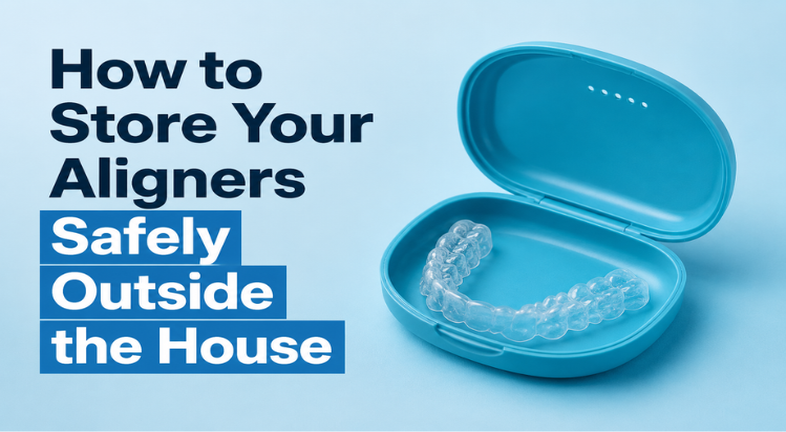 How to Store Your Aligners Safely Outside the House
Taking your clear aligners out while you're away from home is part of everyday life. The important part is knowing where to keep them until it's time to wear them again. Whether you're eating at a restaurant, traveling, running errands, or attending a social event, instead of leaving them on the table or wrapping them in a tissue or napkin, place them in a protective aligner case. Poor storage can lead to lost, damaged, or dirty aligners.
Read More



Heading