


Key Takeaways
- Ultrasonic cleaners use high-frequency sound waves to loosen plaque, debris, and buildup from clear aligners.
- They can reach grooves, edges, and other areas that are difficult to clean with a toothbrush.
- Ultrasonic cleaning is convenient but does not replace regular brushing and rinsing.
- Use aligner-safe solutions, appropriate settings, and follow the cleaner manufacturer's instructions.
- Ultrasonic cleaners are optional, but they can make aligner cleaning easier and more consistent.
Yes, ultrasonic cleaners for clear aligners can be worth it, especially for removing plaque, debris, and buildup that regular brushing may miss. They use high-frequency sound waves to create tiny bubbles that help loosen buildup from the trays and other orthodontic appliances, including retainers, mouthguards, and night guards. However, they are not essential for everyone and have some limitations. Here’s how ultrasonic cleaners work, their benefits and drawbacks, and how to use one safely.
How Do Ultrasonic Cleaners Work?
Ultrasonic cleaners use high-frequency sound waves to create tiny bubbles in water through a process called cavitation. When these bubbles form and collapse, they release energy that helps loosen plaque, debris, and residue from the aligner surface.
This cleaning action can reach grooves, edges, and other areas that are difficult to clean with a toothbrush. Unlike abrasive scrubbing, ultrasonic cleaning uses sound waves to loosen buildup, making it a convenient option for clean aligners with an ultrasonic cleaner.
Benefits of Ultrasonic Cleaners for Clear Aligners
Using an ultrasonic cleaner can simplify your aligner care routine. Here are the main ultrasonic cleaner benefits to consider:
Gentle on Aligner Material
Ultrasonic cleaning loosens buildup without abrasive scrubbing, helping reduce the risk of scratches caused by aggressive brushing. Always use the cleaning method recommended for your specific aligners.
Reaches Difficult Areas
Aligners have edges, grooves, and spaces around attachments where debris can collect. Ultrasonic cleaning helps loosen buildup from these areas for a more thorough clean.
Convenient & Saves Time
An ultrasonic aligner cleaner does the cleaning work for you, reducing the amount of manual scrubbing required. This makes it a convenient option for maintaining a consistent aligner cleaning routine.
Keep Aligners Odor-Free
Plaque, saliva, and other buildup can contribute to unpleasant odours in clear aligners. Regular cleaning helps remove this buildup, which can help keep your trays feeling and smelling fresher throughout treatment.
Limitations of Ultrasonic Cleaners
Although ultrasonic cleaners can make aligner care easier, they are not essential for everyone. Consider these limitations before choosing an aligner cleaning device.
Potential Risk to Aligner Material
Cleaning results depend on the device, settings, water temperature, and solution used. Harsh cleaning products or excessive heat can affect aligner materials. Follow the manufacturer's instructions and use only solutions that are safe for clear aligners.
Does Not Replace Regular Cleaning
An ultrasonic cleaner helps loosen plaque and debris, but it does not replace your regular aligner cleaning routine. Along with ultrasonic cleaning, brushing and rinsing remain important parts of thebest ways to clean clear aligners at home. Continue cleaning your teeth and aligners as recommended by your orthodontic provider.
Cost Consideration
Ultrasonic cleaners are an optional investment for a more convenient aligner cleaning routine. Manual cleaning with a soft toothbrush and suitable cleaning solution works well for daily care, while an ultrasonic cleaner adds deeper cleaning with minimal effort. The Caspersmile UV Ultrasonic Cleaner combines ultrasonic and UV technology for a convenient, thorough way to clean aligners, retainers, mouth guards, and night guards.
If you choose an ultrasonic cleaner, follow these steps to clean aligners with an ultrasonic cleaner safely:
- Rinse the aligners: Remove loose debris with lukewarm water.
- Fill the cleaner: Add the recommended amount of water according to the device instructions.
- Add a suitable solution: If required, use a cleaning solution designed for clear aligners or retainers.
- Run the cleaning cycle: Follow the recommended time and settings.
- Rinse the aligners: Thoroughly rinse away any remaining solution before wearing them.
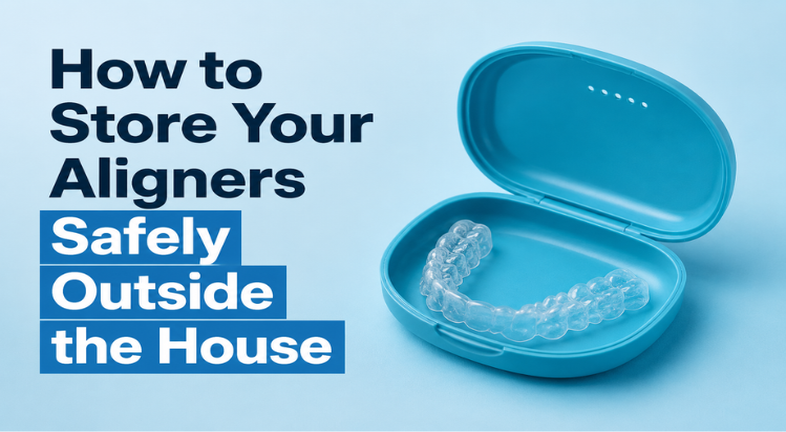
- Store them properly: If you are not wearing the aligners immediately, place them in a clean, dry case.
Keep Your Aligners Cleaner With an Ultrasonic Cleaner
An ultrasonic cleaner is worth considering if you want a convenient and consistent way to clean your clear aligners. It can help loosen buildup from difficult-to-reach areas while reducing the need for manual scrubbing.
However, it is not essential. If your current cleaning routine keeps your aligners clean and fresh, you may not need an ultrasonic cleaner. For patients who want a simpler cleaning routine, an ultrasonic cleaner can be a useful addition to everyday aligner care.





Heading