.webp)
Do your bottom teeth hurt at night? We get it, it’s a nasty experience. It’s not just the pain, the frustration, the disturbance in sleep; it all adds up to ruin the mood for the next morning. So, why does it happen, and how to treat it?
This guide explores it all. We are diving into it to see why the ache keeps showing up after dark and how the potential causes can be treated. Let’s begin.
When a toothache only at night keeps repeating, it usually points to an underlying issue that daytime habits temporarily hide. The causes below are common, and more than one can exist at the same time.
Cavities do not always cause immediate pain. During the day, food and saliva buffer the sensitive area. At night, when saliva flow drops, acids linger, and nerves get irritated. Pain can feel sharp or dull. Lower molars are frequent targets because they trap food easily. If your bottom teeth hurt at night and sweet snacks make it worse, decay should be on your radar.
Inflamed gums swell more when you lie down. Pressure builds around the tooth roots. The pain is often described as aching rather than stabbing. If your gums bleed when brushing or appear puffy, nighttime pain is a logical consequence. Gum disease can also expose root surfaces, which are more sensitive to temperature.
Sinus congestion can refer to pain in the teeth, especially the back ones. While upper teeth are more commonly affected, lower teeth can also feel pressure when your jaw muscles tense during sleep. If your face feels heavy or you have a stuffy nose, the pain might not be purely dental.
If you recently had a filling, crown, or started orthodontic treatment, temporary sensitivity is normal. Orthodontic treatments gently move teeth. That movement can make ligaments sore at night when you finally stop chewing and talking. It is usually short-lived, but it explains why bottom teeth hurt at night right after starting treatment.
Hormones during pregnancy increase blood flow and make gums more sensitive. Inflammation shows up faster. Swelling around the lower teeth can cause throbbing when you lie down. Many pregnant people notice that their bottom teeth hurt at night, even if their oral hygiene is solid.
Morning sickness also plays a role. Stomach acid weakens enamel. If you brush immediately after vomiting, the enamel softens further. At night, exposed dentin becomes sensitive. Gentle rinsing with water or a baking soda solution after nausea helps protect teeth before brushing later.
So, these were the possible causes of bottom teeth hurting at night. However, why is it that the pain just worsens at night and remains manageable during the day?
When your bottom teeth hurt at night, there’s rarely just one single cause. It usually builds from small changes your body goes through, several factors working in tandem. So, let’s see who the culprits are behind the nighttime pain.
Pain often feels louder in the dark when distractions fade, and your body finally slows down. When you lie down, blood flow to the head increases slightly. If a tooth pulp is inflamed, that extra pressure makes the nerve more sensitive. Pain signals travel faster and louder.
During the day, your brain is busy. Work, noise, conversations, and screens all compete with pain for attention. At night, the brain has fewer distractions. Even mild sensitivity can feel dramatic. This is why people say my tooth hurts at night but not during the day, and feel confused by it.
Mouth breathing at night can dry out gums and exposed dentin. When dentin gets hit with cooler air, it reacts fast. The same tooth that tolerated coffee and small sips of water all day can feel sharp pain when the room cools, and your mouth dries out.
Cold air in the room or a fan near your face can irritate exposed tooth surfaces. The lower teeth often take the hit because they are closer to the airflow when you sleep on your side.
Stress plays a quiet role too. Nighttime clenching or grinding, sometimes without you noticing, puts pressure on the lower jaw for hours.
Overworked ligaments around teeth get irritated. You wake up thinking, “Why is this happening only now?” That’s why tooth pain is worse at night for some people. It is not random. Rather, it’s your body that just changed positions and habits.
If your bottom teeth hurt at night, here’s how you can relieve the pain. These steps are safe for most people and easy to try, especially when the pain is keeping you awake and you just need things to calm down enough to rest.
Rinse with warm salt water to calm inflamed tissues. The salt reduces swelling and helps clean debris around the gums. You can also try a gentle baking soda rinse if your mouth feels acidic. Apply a cold compress to the outside of your jaw for ten minutes. Cold reduces inflammation and numbs surface nerves. Give your skin a short break between rounds so it does not get irritated.
Keep your head slightly elevated with an extra pillow. Less blood pooling around the head can reduce throbbing and pressure around sensitive teeth. Try not to sleep flat on your back if the pain feels pulsing. Sleeping on the side opposite the sore area can also make the ache feel less direct.
Avoid very cold drinks before bed. Cold can trigger exposed dentin and make the pain sharper. Skip sugary snacks or acidic foods late at night since they can irritate sensitive areas and feed bacteria around painful spots. A small sip of plain water can help keep your mouth from getting too dry without triggering sensitivity.
Over-the-counter pain relievers can help if you tolerate them. Always follow the label and avoid mixing medications. Do not place aspirin directly on the tooth or gums. That old trick burns tissue and often makes the pain worse instead of better.
If you suspect grinding, a temporary store-bought night guard may reduce pressure until you see a dentist. Long term, a custom guard fits better and protects the enamel more evenly. Even small reductions in pressure can calm sore ligaments around the lower teeth and make nighttime pain less intense.
If dry mouth makes your pain worse, keep water by your bed and take small sips if you wake up feeling dry. Using a humidifier in the room can help if the air is dry or if you sleep with a fan on. Breathing through your nose when possible also keeps gums and teeth from drying out as quickly.
Not every nighttime ache is urgent, but if patterns exist then that deserves fast attention. If pain wakes you up regularly, lasts longer than a few nights, or comes with swelling, fever, or a bad taste, it may signal infection. A throbbing pain that does not calm with basic care often points to pulp inflammation or an abscess.
If you are unsure whether your symptoms count as urgent, our guide on common dental emergencies and what you should do during them can help you decide when to seek immediate care and what to do while you wait. It is practical, calm, and saves you from guessing in the middle of the night.
A dentist looks for patterns. They ask when the pain starts, what triggers it, and whether heat or cold makes it worse. X-rays reveal decay between teeth and near roots. Gum measurements show inflammation and bone changes. Bite checks reveal clenching patterns.
Sometimes, the pain you feel in one tooth isn’t actually coming from that spot. Dentists may gently tap on different teeth to see which one reacts the most. This helps them figure out the real source of the ache. Once the cause is clear, treatment can be precise and targeted, instead of a game of guesswork, giving you relief faster and with less stress.
Stopping nighttime tooth pain isn’t just about masking the ache; it’s about tackling the cause. Fillings take care of decay, deep cleanings calm inflamed gums, and root canal therapy removes infected pulp to finally end nerve pain. Bite guards can help too, protecting your teeth from the constant pressure of grinding at night.
Small daily habits make a bigger difference than most people realize. Gently floss your lower molars since they trap food easily. Keep a glass of water by your bed or sip in the evening to prevent dry mouth. Skip acidic snacks late at night so your teeth aren’t irritated while you sleep. And if you’re using clear aligners like Caspersmile, stick to your wear schedule and keep the trays clean so bacteria don’t linger against enamel overnight. These little steps together make nighttime aches easier to prevent and keep your teeth calmer while you rest.
You do not have to accept nighttime tooth pain as normal. Start with gentle relief tonight, then book a dental check if the pattern continues. Pay attention to triggers like cold air, sweets, or clenching, since those little details often point to the real cause. Noticing patterns makes the next step easier and less stressful. With the right fix, sleep can go back to being quiet again, and your nights can feel normal instead of restless.
Inflammation, pressure changes when lying down, dry mouth, and nighttime clenching often make sensitive lower teeth throb after dark.
Rinse with warm salt water, use a cold compress on the jaw, avoid very cold drinks, and talk to a dentist about pregnancy-safe pain relief.
Gentle cleaning, avoiding late-night acids, using a night guard if you grind, and treating the underlying dental cause, can stop recurring pain.
Pressing the LI4 pressure point between the thumb and index finger can reduce pain signals for some people.
Hormones increase gum sensitivity and swelling, which can make teeth feel sore, especially at night.
Rinse with warm salt water, apply a cold compress, keep your head elevated, and use an over-the-counter pain reliever until you can see a dentist.
Curated the best for your knowledge
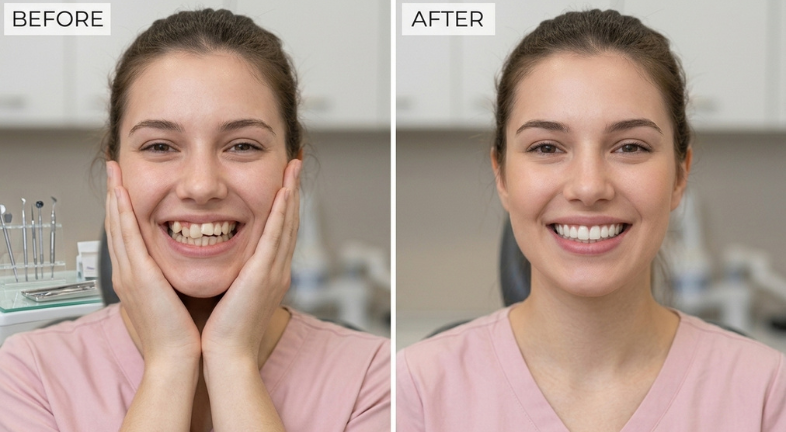 Do Clear Aligners Change Your Face Shape?
Yes, aligners can change your face shape slightly, mainly by changing the position and alignment of your teeth and, in some cases, your bite. But they don’t change your actual bone structure.
Read More What to Do If You Lose Your Aligners While Traveling
The first thing is to contact your provider and figure out if you can switch back to a previous tray or move to the next one. Losing your aligners while traveling can be stressful, but it does not necessarily mean your treatment will be disrupted. The most important thing is to act quickly. Look for your missing tray, wear your previous aligner if advised, and contact your provider for instructions on what to do next. In this guide, we’ll explain what to do if you lose your aligners while traveling, how a lost aligner can affect your treatment timeline, and what you can do to prevent it from happening again.
Read More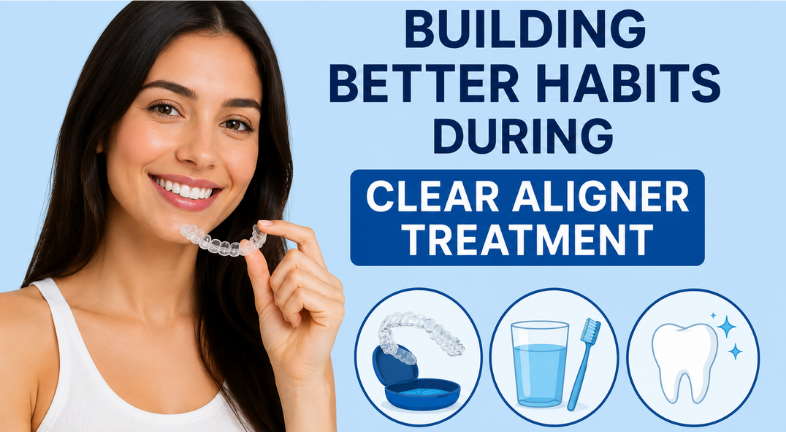 Building Better Habits During Clear Aligner Treatment
Building better habits during clear aligner treatment can help you stay consistent with aligner wear, oral hygiene, and your treatment plan. Simple routines, such as wearing your aligners as directed, cleaning them regularly, and keeping track of your wear time, can make treatment easier to manage and help you stay on schedule. In this guide, we’ll cover the most important habits during clear aligner treatment and practical ways to make them part of your daily routine.
Read MoreQuick Links




Heading