.webp)
Clear aligners are designed to be nearly invisible, but they only stay that way when they are cleaned properly. Many people rinse their trays and assume that is enough, only to notice cloudiness, odor, or buildup after a few weeks.
The truth is that a simple routine using an electric toothbrush for aligners can keep them clear, hygienic, and safe for daily wear. Once you understand how to clean your clear aligners correctly and build a few consistent habits, maintaining them becomes quick, easy, and part of your normal oral care routine.
Clear aligners are discreet, but they are not exactly low-maintenance. Since they sit over your teeth for most of the day, they naturally collect saliva, plaque, and tiny food particles throughout the hours you wear them. When trays are not cleaned regularly, bacteria start building up inside that enclosed space without you really noticing it at first.
Over time, you may start noticing cloudiness, a slight odor, or even some gum irritation. The aligners themselves rarely cause these issues. Most of the time, they happen because cleaning routines become inconsistent.
The key is understanding that tray hygiene and tooth hygiene go hand in hand. When both of these habits work together, aligner treatment tends to stay comfortable, hygienic, and right on track.
The question of how to clean clear aligners properly comes up more often than most orthodontists openly acknowledge. Since the trays are clear and delicate, it is natural for people to worry about scratching them or damaging the material while cleaning. In reality, cleaning aligners is not complicated, but it does require the right method and a bit of attention to detail to keep them clear and hygienic.
Every time you remove your trays, rinse them under lukewarm water. This prevents saliva from drying and forming a film that becomes harder to remove later. That small step takes seconds. Skipping it often leads to more scrubbing later.
The temperature matters. Hot water can warp the plastic. It might not happen instantly, but repeated exposure weakens the structure.
Toothpaste feels like the obvious choice, yet it is often the wrong one. Many formulas contain mild abrasives designed to polish enamel. Plastic does not respond the same way. Micro-scratches develop, and once they do, stains cling more easily.
A clear, mild liquid soap or aligner-safe cleanser works better. It lifts bacteria without roughening the surface.
Soft or extra-soft bristles are essential. Hard bristles may feel thorough, yet they compromise clarity over time. The smoothness of the aligner surface determines how invisible it appears. Preserving that smoothness should be a priority.
Most electric brushes include pressure sensors for teeth, but trays require even lighter contact. A gentle touch is enough. The brush does not need to be forced against the plastic.
When handled carefully, an electric toothbrush for aligners maintains clarity while removing bacteria and buildup effectively.
Cleaning your aligners with an electric toothbrush for aligners makes a noticeable difference in both hygiene and convenience. Trays sit on your teeth for most of the day, so they naturally collect saliva, bacteria, and tiny food particles. Using an electric toothbrush helps remove this buildup effectively while keeping the trays clear, fresh, and safe for your teeth.
The motion of an electric toothbrush loosens plaque and debris more efficiently than manual brushing. It reaches the small grooves and edges of the trays where buildup often hides, ensuring the aligners remain clean and hygienic. Regular plaque removal not only keeps trays clear but also protects your teeth from cavities and irritation.
Electric brushes move consistently across the entire surface of the aligners, covering both the inside and outside evenly. This steady motion reduces the chances of missing areas where bacteria could accumulate, and it prevents uneven wear or spots that could cause discoloration over time.
A soft-bristle head allows the brush to clean thoroughly without scratching the plastic. Gentle brushing preserves the smooth surface of the trays and keeps them transparent, so they remain almost invisible even after weeks of use. Aggressive scrubbing is unnecessary and can actually make trays look cloudy sooner.
Electric toothbrushes cover more surface area in less time, making them perfect for busy mornings or evenings. Cleaning becomes easier and less tedious, which encourages regular use and helps you stick to a consistent routine. Efficiency and convenience go hand in hand with proper oral care.
Cleaning aligners regularly with an electric toothbrush removes bacteria that naturally accumulate throughout the day. This prevents unpleasant odors and reduces the risk of plaque-related issues. Fresh, clean trays also make wearing them more comfortable and help maintain overall oral hygiene.
Mistakes are usually made with good intentions. People want their trays spotless. Unfortunately, certain habits backfire.
Using whitening toothpaste is a frequent issue. It seems logical, but the abrasiveness dulls plastic. Scrubbing aggressively is another. More pressure feels productive, yet it causes micro-scratches that make trays appear cloudy.
Hot water is also misunderstood. Some believe warmth disinfects better. In reality, it can subtly distort aligners, affecting fit and movement precision.
Finally, relying solely on soaking solutions without brushing aligners daily leaves a bacterial film behind. Soaking is supportive, not a replacement.
Below is a balanced comparison of common cleaning approaches.
| Cleaning Method | Effectiveness | Risk of Surface Damage | Ideal Frequency |
| Electric toothbrush for aligners with a soft head | High when gentle | Low if pressure controlled | Twice daily |
| Manual soft toothbrush | Moderate to high | Low if gentle | Twice daily |
| Soaking solution only | Moderate | Minimal | Weekly support |
| Water rinse only | Low | None | Temporary use |
Brushing remains the core method. Soaking enhances results but does not replace daily cleaning.
Life continues during orthodontic treatment. Work meetings, travel, social events, all of it happens. There will be moments when brushing immediately feels inconvenient.
In those situations, rinse thoroughly and clean properly at the earliest opportunity. While it is not ideal, occasional delays do not derail treatment if overall habits are strong.
An electric toothbrush for aligners often helps here because it speeds up the process. Efficiency encourages consistency. The easier the system feels, the more sustainable it becomes.
Aligner treatment typically lasts months. During that time, repeated small habits accumulate into meaningful outcomes. Gentle daily brushing of aligners preserves transparency. Strong aligners, brushing teeth, and discipline protect enamel. Avoiding abrasives maintains surface integrity.
When trays remain clear, they stay discreet. When they stay discreet, confidence remains steady. It is not only about hygiene. It is also about comfort and self-assurance.
Maintaining clarity reduces the likelihood of needing replacement trays due to damage. It keeps the process smooth.
Clear aligners are designed to work quietly. They shift teeth gradually, almost invisibly. Their success depends not only on wearing them consistently but also on maintaining them carefully.
Understanding how to clean clear aligners properly protects your teeth and preserves the precision of treatment. Asking yourself should I brush my aligners becomes less of a debate and more of a daily habit. Using an electric toothbrush for aligners simplifies the routine without compromising safety.
When trays are rinsed promptly, cleaned gently, and paired with strong aligner brushing and teeth habits, the process feels manageable. The trays remain clear. The breath stays fresh. The treatment stays on track.
A structured routine may feel small in the moment, yet over months it defines the experience. Clean aligners are not accidental. They are the result of consistent care applied quietly, day after day.

Curated the best for your knowledge
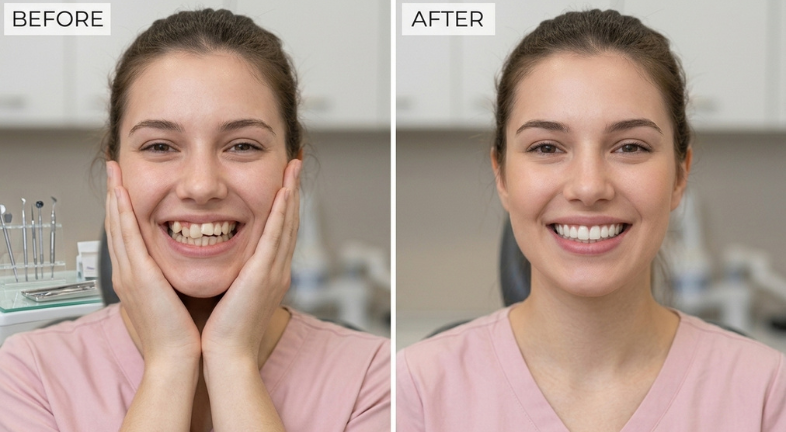 Do Clear Aligners Change Your Face Shape?
Yes, aligners can change your face shape slightly, mainly by changing the position and alignment of your teeth and, in some cases, your bite. But they don’t change your actual bone structure.
Read More What to Do If You Lose Your Aligners While Traveling
The first thing is to contact your provider and figure out if you can switch back to a previous tray or move to the next one. Losing your aligners while traveling can be stressful, but it does not necessarily mean your treatment will be disrupted. The most important thing is to act quickly. Look for your missing tray, wear your previous aligner if advised, and contact your provider for instructions on what to do next. In this guide, we’ll explain what to do if you lose your aligners while traveling, how a lost aligner can affect your treatment timeline, and what you can do to prevent it from happening again.
Read More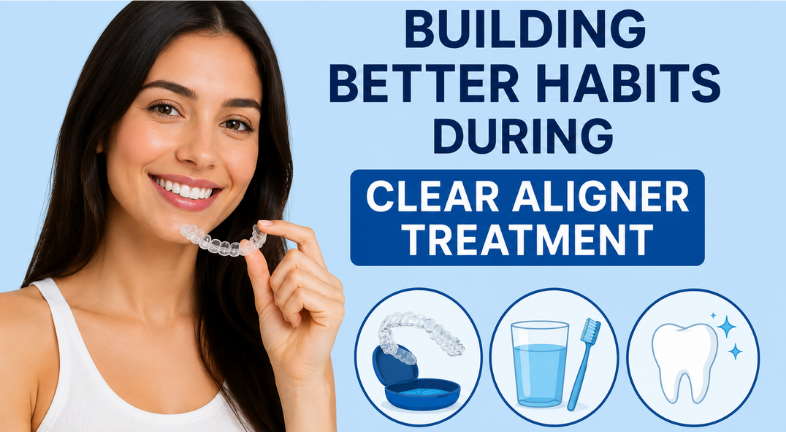 Building Better Habits During Clear Aligner Treatment
Building better habits during clear aligner treatment can help you stay consistent with aligner wear, oral hygiene, and your treatment plan. Simple routines, such as wearing your aligners as directed, cleaning them regularly, and keeping track of your wear time, can make treatment easier to manage and help you stay on schedule. In this guide, we’ll cover the most important habits during clear aligner treatment and practical ways to make them part of your daily routine.
Read More



Heading