.png)
Yes, you can exercise with a retainer safely in most situations. Cardio, gym sessions, and everyday workouts are generally fine, and many people keep their retainers in without issues. That said, anything involving a direct hit to the mouth should be avoided because retainers are not built for handling impact. If your routine includes contact or high-risk training, it is better to remove them or switch to protective gear.
Let’s learn more about balancing fitness and retainer care without compromising either.
.webp)
You can stay active while wearing a retainer during exercise, and most workouts will not interfere with your dental appliance. However, there are some nuances to the matter.
Walking, jogging, cycling, and weightlifting can all be done comfortably. Your retainer will stay in place, and your focus can remain on your performance. In many cases, people forget they are even wearing it. Your oral appliance is designed to fit snugly, so routine motion does not dislodge it.
That being said, not all workouts are equal. While working out with a retainer is fine in most cases, sports that involve physical contact should be approached cautiously. A sudden hit could damage both your retainer and your teeth. For these scenarios, removal or protective equipment is strongly encouraged.
If you use clear Essix or Hawley retainers, prefer taking them out before a workout. Since they are removable, why not take advantage? That’s one of the points where removable retainers win in comparison to fixed ones . However, make sure you don’t leave them out for too long and maintain your wear time. Now, this is not mandatory, but it is often recommended. After all, a small risk of accidental damage remains in every workout.
This is a general breakdown of how to handle retainer wear with exercise. Next, let’s explore which exercises can be done while wearing retainers and which cannot be.
.webp)
Many forms of exercise pair well with retainers, and you do not have to pause your fitness goals.
Running, brisk walking, swimming, and cycling are all considered safe. Your breathing pattern may feel slightly different at first, but your body adjusts quickly. These activities are low risk when it comes to oral impact.
Lifting weights, using resistance bands, and performing bodyweight exercises are also suitable. Your retainer stays secure, and your movements remain controlled. Care should still be taken when using equipment, as accidental slips can happen.
Yoga, Pilates, and stretching sessions work perfectly well with retainers. These workouts focus on controlled motion and balance, which reduces the likelihood of oral injury. Comfort is usually maintained throughout.
.webp)
Some activities do not mix well with retainers, and caution should be exercised.
Football, boxing, martial arts, and wrestling pose a direct risk. A blow to the face could crack your retainer or cause injury. In such cases, a mouthguard is the safer option. Retainers are not designed to absorb impact.
Skateboarding, mountain biking, or intense obstacle training may involve falls or collisions. While these are not always classified as contact sports, the risk to your mouth still exists. Your retainer could be damaged if an accident occurs.
Even controlled sparring can lead to unexpected hits. It is often recommended that retainers be removed beforehand. Athletes are usually advised to prioritize safety over convenience in these scenarios.
Now, if you do get into any of these and the unfortunate happens, then here’s what to do when your retainer tightens .
Balancing retainer and exercise safety is simple when you follow a few practical habits.
Keep a protective case with you at all times. If you decide to remove your retainer, it should be stored properly. Tossing it into a gym bag without protection can lead to cracks or contamination.
Hydration matters… a lot. A dry mouth can make your retainer feel uncomfortable, so drink water regularly. Comfort will improve, and your oral health will benefit as well.
Moreover, clean your retainer after workouts. Sometimes there’s more saliva production, plus there’s heat, so bacteria can accumulate. It is recommended that you rinse or brush it gently before placing it back in your mouth.
Consider a mouthguard if you play sports regularly. Your retainer is not a substitute for protective gear. A proper mouthguard will shield your teeth while allowing you to stay active.
You do not have to choose between fitness and dental care. Can you exercise while wearing a retainer? Absolutely, as long as you stay mindful of the activity. Low-impact and controlled workouts are generally safe, while high-contact training requires extra caution. Your retainer supports your smile, and your habits should support your retainer. Stay consistent, stay careful, and you can maintain both your health and your results without interruption.

Curated the best for your knowledge
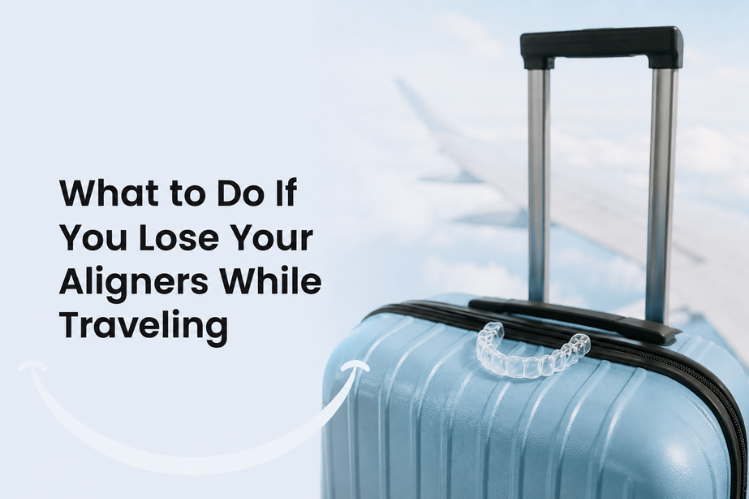 What to Do If You Lose Your Aligners While Traveling
The first thing is to contact your provider and figure out if you can switch back to a previous tray or move to the next one. Losing your aligners while traveling can be stressful, but it does not necessarily mean your treatment will be disrupted. The most important thing is to act quickly. Look for your missing tray, wear your previous aligner if advised, and contact your provider for instructions on what to do next. In this guide, we’ll explain what to do if you lose your aligners while traveling, how a lost aligner can affect your treatment timeline, and what you can do to prevent it from happening again.
Read More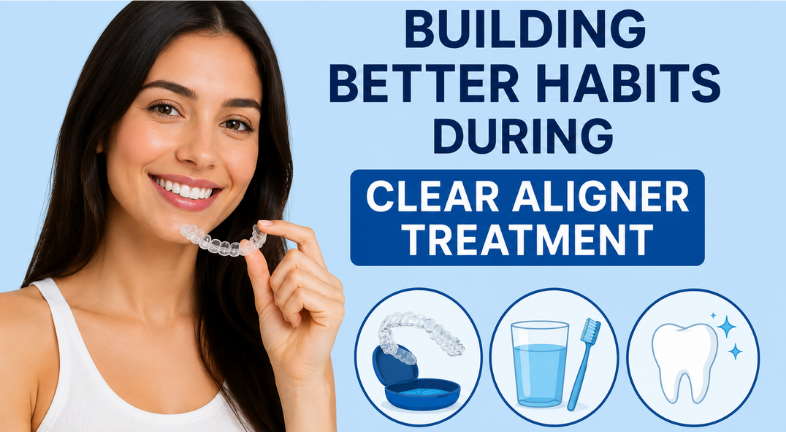 Building Better Habits During Clear Aligner Treatment
Building better habits during clear aligner treatment can help you stay consistent with aligner wear, oral hygiene, and your treatment plan. Simple routines, such as wearing your aligners as directed, cleaning them regularly, and keeping track of your wear time, can make treatment easier to manage and help you stay on schedule. In this guide, we’ll cover the most important habits during clear aligner treatment and practical ways to make them part of your daily routine.
Read More Why People Quit Clear Aligner Treatment Halfway Through
People quit clear aligner treatment mainly because of treatment fatigue, discomfort, lifestyle changes, inconsistent wear, or slower-than-expected visible progress. However, clear aligners are generally easy to manage because they are removable, discreet, and can fit into most daily routines. The key is building simple habits around wearing, cleaning, and storing your aligners. Knowing what to expect and having a routine that works with your lifestyle can make treatment easier to maintain and help you stay consistent from one aligner to the next.
Read More



Heading