%20(1).webp)
When an unexpected tooth appears between your child’s front teeth, it can feel confusing or even alarming. The good news is that a mesiodens tooth, a type of extra tooth that develops in the upper front area, is a well-known dental condition and can be treated effectively. With early detection, proper evaluation, and the right mesiodens treatment, dentists can prevent complications and guide your child’s smile back on track. The key is knowing what to look for and acting at the right time.
A mesiodens tooth is an extra tooth that grows between the two upper front teeth, called the central incisors. Dentists classify it as a supernumerary tooth, meaning it develops in addition to the normal number of teeth.
Most children develop 20 primary teeth and later 32 permanent teeth. However, sometimes an extra tooth forms during development. When this extra tooth appears in the middle of the upper jaw, it is called a mesiodens.
The tooth itself can look different from a normal tooth. In some children, it resembles a small peg. In others, it may appear cone-shaped or even remain hidden under the gums. A single mesiodens tooth is the most common situation. But occasionally, children may develop multiple mesiodens teeth.
The condition is not extremely rare. In fact, studies suggest it occurs in roughly 1 to 3 percent of the population. It is also seen more frequently in boys than in girls. Sometimes parents notice it right away. In other cases, it stays hidden and is discovered during a dental X-ray.
A dentist does not rely on guesswork when identifying a mesiodens tooth. Diagnosis typically involves a few simple steps.
First, the dentist checks the child’s mouth visually. Any unusual tooth shape, spacing, or delayed eruption is noted. However, a hidden extra tooth cannot always be seen during an exam.
X-rays provide the clearest answer. They reveal teeth that are still inside the jaw. This imaging helps dentists identify:
In complex cases, advanced scans such as CBCT imaging may be used. These provide a detailed view of the jaw and tooth structures. With accurate imaging, dentists can decide whether treatment is needed immediately or if monitoring is enough.
Parents are often the first to notice something unusual. A careful look at your child’s teeth can reveal early warning signs. Here are some common clues that a mesiodens tooth may be present.
A Gap between the Front Teeth
A large space, also called a diastema , between the two upper front teeth could indicate an extra tooth sitting between them.
One Front Tooth Missing
If one permanent front tooth has erupted and the other has not, an extra tooth could be blocking its path.
A Small Tooth between the Incisors
Sometimes the mesiodens in child cases erupt directly into the mouth. The extra tooth may look smaller or oddly shaped.
Teeth Growing at Unusual Angles
When nearby teeth are pushed aside, they may tilt or rotate.
Swelling or Discomfort
Rarely, swelling around the upper front gums may occur if complications develop.
Still, many mesiodens teeth remain hidden. That is why routine dental visits are so important.
Not every mesiodens tooth requires urgent treatment.
In some cases, dentists simply monitor the tooth with periodic X-rays. If it is not causing problems, it may be left alone temporarily. However, mesiodens treatment becomes necessary when the extra tooth interferes with normal dental development. Common reasons for treatment include:
Once the dentist determines that treatment is needed, the most common approach is mesiodens tooth removal.
Treatment depends on several factors. The child’s age, the position of the extra tooth, and its impact on surrounding teeth all play a role. However, most commonly, the extra tooth is removed via mesiodens surgery.
This procedure removes the extra tooth so the surrounding teeth can develop normally. Here is what typically happens.
Local Anesthesia
The dentist or oral surgeon first numbs the area. This ensures the child does not feel pain during the procedure. Sometimes sedation may also be used, especially for younger children.
Accessing the Tooth
If the mesiodens tooth has already erupted, removal is relatively simple. If it remains under the gums, a small opening is made to access it.
Removing the Extra Tooth
The dentist carefully removes the tooth while protecting nearby structures. This step is performed with precision to avoid disturbing adjacent teeth.
Closing the Area
After mesiodens tooth removal, the gum tissue is repositioned. Stitches may sometimes be used, though not always necessary. The entire procedure is usually completed in a short time. Children typically recover quickly.
After extra teeth removal, most children experience only mild discomfort. Recovery is usually smooth when proper care instructions are followed. Dentists often recommend:
Swelling, if it occurs, typically fades within a couple of days. Most children return to normal activities quickly.
Sometimes removing the extra tooth is enough. The surrounding teeth may naturally shift into better positions once the obstruction is gone. However, orthodontic treatment may still be recommended in certain situations.
If the mesiodens in child cases caused crowding or misalignment, braces or aligners might be used to guide teeth into proper alignment. The good news is that early intervention often reduces the complexity of orthodontic treatment later.
Early dental care plays a huge role in identifying mesiodens teeth. The first dental visit is usually recommended around a child’s first birthday. After that, routine checkups help dentists monitor tooth development. Regular visits allow dentists to:
Catching the problem early often makes mesiodens treatment simpler and more effective.
Parents often ask the same question once a dentist points it out. Why did this happen? The exact causes of mesiodens are still being researched, but several factors are believed to play a role.
Genetics seems to be one of the strongest influences. If a parent or sibling has had supernumerary teeth, a child may also develop them. Dental development tends to follow patterns that run in families.
During tooth development, a structure called the dental lamina helps form tooth buds. If this tissue becomes overactive, extra tooth buds may develop. These buds can later grow into a mesiodens tooth.
Sometimes irregular activity during early tooth formation leads to extra teeth. This may occur while the jaw and teeth are still forming in early childhood.
In rare situations, multiple mesiodens teeth may be linked to certain genetic syndromes or developmental conditions. However, most children who develop a mesiodens in childhood are otherwise completely healthy.
So while the exact cause may not always be pinpointed, dentists understand the condition well and know how to manage it.
An extra tooth may sound harmless at first. After all, more teeth should not be a problem, right? Unfortunately, a mesiodens tooth can interfere with normal dental development in several ways.
Sometimes the extra tooth blocks the path of a permanent tooth. When that happens, the permanent tooth cannot erupt properly. Parents might notice that one front tooth is missing while the other has already appeared.
A mesiodens in child cases can push nearby teeth out of position. The front teeth may become crooked or rotate slightly. This often leads to spacing problems that may later require orthodontic treatment like clear aligners .
In some children, the mesiodens tooth erupts directly into the mouth. When this happens, a small tooth may appear between the two front teeth. It can affect appearance and sometimes speech.
In other cases, the extra tooth remains trapped under the gums. While it cannot be seen, it may still affect nearby teeth.
Although rare, untreated mesiodens teeth can sometimes lead to cyst formation around the tooth.
For this reason, dentists prefer early diagnosis and monitoring.
Unfortunately, there is no guaranteed way to prevent a mesiodens tooth from developing. Because genetics and early tooth formation play a role, the condition often occurs naturally.
However, complications can absolutely be prevented.
Early diagnosis and timely mesiodens treatment help ensure that the extra tooth does not interfere with a child’s dental development. Regular dental checkups remain the best preventive strategy.
A mesiodens tooth may sound unusual, but it is a manageable dental condition. With proper diagnosis and timely mesiodens treatment, most children experience no long-term complications. Dentists regularly perform mesiodens tooth removal procedures, and recovery is typically quick and smooth.
If parents stay attentive to dental changes and keep up with regular checkups, an extra tooth can be identified early and treated before it disrupts normal tooth development. In the end, early care helps ensure your child’s smile grows exactly the way it should.

Curated the best for your knowledge
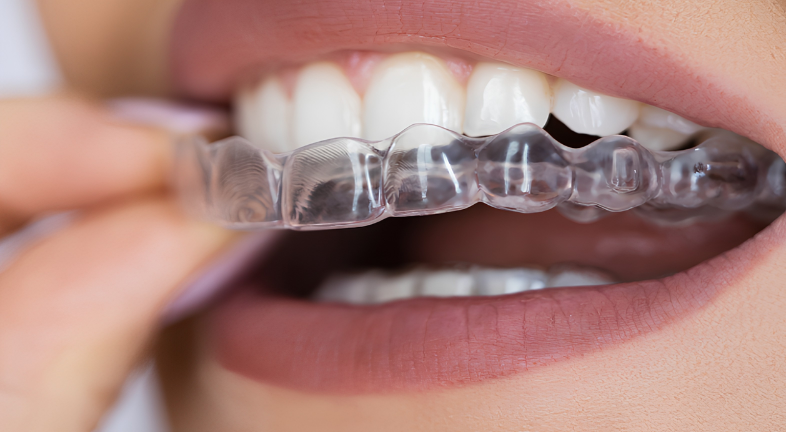 Are Clear Aligners Right for You? Common Dental Issues They Can Fix
Clear aligners can straighten mild to moderate cases of crowding, spacing, crooked teeth, and certain bite concerns without the appearance of metal brackets. These custom-made, transparent trays gradually apply controlled pressure to guide teeth into better positions, making them a discreet and convenient teeth-straightening option for eligible individuals.
Read More Why Your Aligners Stop Tracking and How to Fix It
Aligners stop tracking when they no longer fit snugly against your teeth the way your treatment plan intended, and it's almost always caused by wear time, tray damage, or a movement that's simply taking longer than expected. The good news is that most of these issues can be corrected without starting over. Below, you'll find the real reasons why aligners stop tracking, how to spot the early signs, and the exact steps that get treatment back on schedule.
Read More How Clear Aligners Affect Jaw Muscles
To answer the question, “How do clear aligners affect jaw muscles?”, clear aligners can affect the jaw muscles, but usually only mildly and temporarily. As your bite gradually shifts, the muscles you use for chewing adapt to the new tooth positions. Most people feel little to nothing at all. When soreness does show up, it tends to fade within a few days. This is different from a jaw joint (TMJ) disorder, which involves the joint itself rather than the surrounding muscle tissue.
Read More



Heading