



Key Takeaways
- Retracing your steps calmly can help locate misplaced clear aligners before assuming they are gone for good.
- Wearing your previous tray holds your teeth in place and keeps them from shifting backward while you wait for a fix.
- Contacting your provider immediately ensures you get quick guidance instead of guessing your next move.
- Going without any aligners for more than a day or two is what ultimately delays your treatment.
- Providers can often ship replacements or advise you to move to your next tray early to keep you on track.
- Packing your previous set of aligners gives you an effortless, space-saving safety net while traveling.
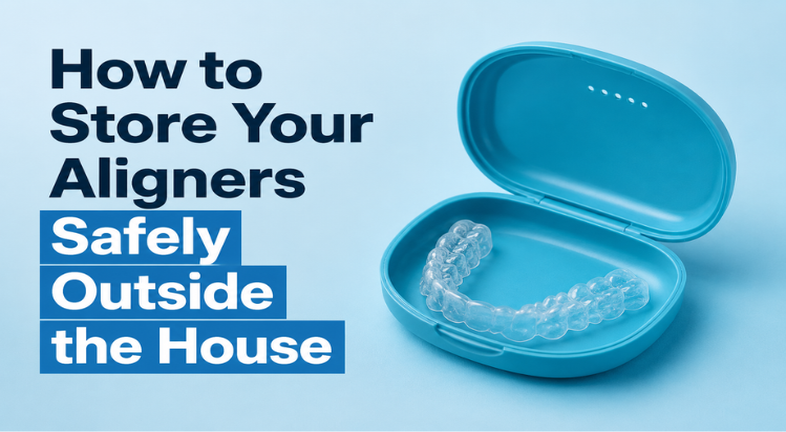
- Using a bright case instead of wrapping trays in napkins prevents them from being accidentally thrown away.
- Keeping your case in the same spot in your bag builds a habit that protects your aligners when you're rushing.
The first thing is to contact your provider and figure out if you can switch back to a previous tray or move to the next one. Losing your aligners while traveling can be stressful, but it does not necessarily mean your treatment will be disrupted. The most important thing is to act quickly. Look for your missing tray, wear your previous aligner if advised, and contact your provider for instructions on what to do next.
In this guide, we’ll explain what to do if you lose your aligners while traveling, how a lost aligner can affect your treatment timeline, and what you can do to prevent it from happening again.
The First Steps to Take after Losing Your Aligners
Start by retracing your steps before assuming your aligners are gone. Check your bag, hotel room, bathroom, restaurant table, and any other places you recently visited. Because clear aligners are small and easy to overlook, they can also be accidentally left behind or thrown away with a napkin.
If you still can't find them, contact your aligner provider as soon as possible. They can advise you whether to wear your previous tray, move to your next one, or arrange a replacement based on your treatment plan. Avoid making the decision on your own, as wearing the wrong tray could affect how your teeth are progressing.
Should You Wear Your Previous Aligners If You Lose Your Current Ones?
If you lose your current aligners, your previous tray may help keep your teeth from shifting while you wait for further instructions. However, whether you should wear it depends on your treatment stage and how well it still fits, so check with your provider before putting it back in.
This is why taking your previous tray when you travel can be useful. It gives you a backup option if your current aligner goes missing and can help prevent unnecessary treatment interruptions. If you don't have your previous tray with you, contact your provider as soon as possible rather than choosing another tray on your own.
If you're eating out during your trip, see our guide to eating out with clear aligners for tips on removing and storing your trays safely.
Can Losing Your Aligners Delay Treatment?
.png)
Losing your aligners can delay treatment if you spend too long without wearing a suitable tray. Once the aligner is no longer applying pressure, your teeth may begin to shift, which can make it harder to move into the next stage of treatment as planned.
How much this affects your timeline depends on how long you go without your aligners and where you are in your treatment plan. Contact your provider as soon as possible if you lose a tray. They may recommend wearing your previous aligner, moving to the next one, or arranging a replacement clear aligner, depending on your situation. Acting quickly gives you the best chance of keeping your treatment on track.
How Can You Avoid Losing Aligners While Traveling?
A few simple habits can make losing your aligners much less likely while traveling. The most important is to give your aligners a designated place whenever they are not in your mouth.
- Always put your aligners in their case when you remove them. Never leave them on a hotel bathroom counter, restaurant table, or in your pocket.
- Avoid wrapping aligners in napkins or tissues. They can easily be mistaken for rubbish and thrown away.
- Keep your case in the same, easy-to-reach spot in your bag so you always know where it is.
- Take your case with you when eating out instead of leaving it behind with your luggage.
- Pack your previous aligners as a backup in case your current set is lost or damaged.
- If you're traveling frequently, consider setting a reminder to check for your aligners before leaving a restaurant, hotel room, or other location.
These small habits can help you stay consistent with your treatment while reducing the chances of losing an aligner during your trip.
Keeping Your Aligner Treatment On Track
Losing aligners while traveling can be stressful, but it does not have to derail your treatment. Knowing what to do if you lose your aligners can help you respond quickly and avoid unnecessary delays. Keep your previous tray as a backup, store your aligners safely while traveling, and contact your provider as soon as you realize they are missing. With the right steps, a lost tray can be a manageable setback rather than a major interruption to your treatment.





Heading