.webp)
The cost of braces could be overwhelming, and you may find yourself unsure of what you're paying for. If you're currently researching the cost of braces in the UK and have felt the fees are unreasonable, then this guide is for you.
We will explain why braces often carry such a high price tag; we will also provide you with a breakdown of the most commonly overlooked expenses and practical ways to help reduce out-of-pocket costs without sacrificing your results.
The cost of braces in the UK is shaped by several real factors working together.
The most obvious contributor to the cost of braces is the physical hardware. Brackets, wires, elastics, bands, and adhesives all vary in quality and price. Traditional metal systems usually fall on the lower end, which is why metal braces cost less than ceramic or lingual options. Still, even standard metals are medical grade, not cheap alloys.
Lab work also matters, like custom wires, moulds, and adjustments, which are often prepared off-site. This behind-the-scenes work increases the braces' price, even though patients rarely see it. When people ask how much braces cost in the UK, they often forget these invisible costs.
You’re not just paying for the braces themselves, but for the judgment and expertise behind them. Orthodontic treatment requires carefully moving teeth through bone, which takes years of training and experience to do safely.
Each appointment adds to the overall cost, as adjustments, monitoring, and fine-tuning must be done with precision over months or even years. This is why braces for adults cost more than for teens in the UK. That’s because adult bone responds differently and often requires slower, more careful correction.
Before braces even touch your teeth, diagnostics happen. X-rays, digital scans, impressions, and bite analysis are part of responsible treatment. These steps shape the entire plan and influence how much braces cost.
Simple crowding costs less to fix than complex bite issues. Overbites, underbites, crossbites, and severe spacing extend treatment time. Longer treatment means more visits, more adjustments, and a higher cost of braces.
This is why asking how much braces cost in the UK never gets a precise answer. Two people can receive the same brace type and pay very different totals.
Braces are not install-and-forget devices. Regular follow-ups ensure teeth move safely and on schedule. Tightening, wire changes, and monitoring are baked into the braces' cost, even if clinics advertise a single headline price.
Once braces come off, retention begins. Retainers prevent teeth from shifting back. Many people forget to factor this into the costs, but retainers are essential. Some clinics include retainers, while others charge separately. Over time, replacements may be needed, which increases the true cost of braces beyond the initial figure.
Running a clinic costs money. Staff wages, advanced equipment, rent, and sterilisation standards all shape the braces' cost. Clinics in major cities often charge more than rural practices.
This explains why metal braces can vary significantly across the UK, even for similar treatments.
The headline price rarely tells the full story. Several ongoing expenses quietly inflate the cost of braces in the UK. Here’s what surprises many patients.
Broken brackets, snapped wires, or lost bands are common. While some clinics include minor repairs, others charge per incident. These extras raise the real cost of braces over time. Good habits reduce these issues, but accidents still happen.
Braces demand better hygiene. Special brushes, floss tools, wax, and sometimes additional cleanings become necessary. These costs are rarely mentioned when discussing how much braces cost in the UK, yet they are unavoidable.
Neglecting hygiene risks can lead to decay, staining, and gum issues, which then require further treatment.
Appointments mean time off work or school. Diet changes may limit certain foods, while not financially in the traditional sense, these lifestyle adjustments still carry value.
Some cases need small refinements after braces come off. Minor corrections can involve extra aligners or short-term adjustments. This is another reason adult braces in the UK can creep higher than expected.
Lowering the braces cost in the UK does not mean choosing the cheapest option blindly. Smart decisions protect both your teeth and your wallet.
Metal braces remain one of the most effective and affordable options, which is why metal braces in the UK typically stay lower than many alternatives. They are particularly suitable for complex bite issues or severe misalignment. For mild to moderate cases, however, clear aligners can offer a more cost-efficient and lifestyle-friendly solution.
Clear aligners have become popular among adults who value discretion and flexibility. While the core goal is the same, each aligner brand approaches treatment differently:
Caspersmile
Invisalign
Diamond White
Choosing the right system can reduce unnecessary appointments, simplify treatment, and help lower the overall braces cost in the UK, provided the option matches your clinical needs.
Always compare multiple clinics. Ask for itemised quotes that show what is included. Diagnostics, adjustments, retainers, and follow-ups should be clearly stated.
Many clinics offer instalment plans. Monthly payments make how much do braces cost in the UK feel more manageable without reducing quality.
Some providers offer interest-free plans, which can significantly ease financial strain. Payment flexibility does not mean higher total costs, so always ask.
Preventing damage saves money. Clean teeth reduce emergencies and repairs. This directly lowers the long-term cost of braces in the UK. Small habits, like avoiding hard foods and using proper cleaning tools, make a noticeable difference.
Some clinics upsell cosmetic add-ons that do not improve outcomes. While certain features are useful, not all are necessary.
Focus spending on essentials like diagnostics, proper supervision, and retainers. Skipping these increases the risk of relapse, which raises the cost of braces later.
Since treatment costs vary widely depending on the method used, comparing braces and clear aligners side by side can make it much easier to see which option offers the best value for your needs.
| Treatment Type | Average Cost Range (UK) | Best For | Key Cost Factors | Notes | |
| Metal Braces | £1,800–£3,000 | Moderate to severe alignment issues | Hardware, frequent adjustments, treatment length | Usually, the most affordable fixed option, but more visible | |
| Ceramic Braces | £2,000–£5,000 | Adults want less visibility | Bracket material, maintenance | More discreet than metal, slightly higher cost | |
| Lingual Braces | £3,000–£7,000 | Maximum discretion | Custom fitting, complex adjustments | Hidden behind teeth, the highest fixed-brace cost | |
| At-Home Clear Aligners (Caspersmile) | £599 – £770 | Mild to moderate cases | Treatment plan, number of aligners | Often lower cost with fewer clinic visits | |
| In-Office Clear Aligners | £1,800–£3,000 | (based on your treatment plan) | Mild to complex cases | Direct dentist involvement, refinements, and monitoring | Thorough supervision, but at a higher price point |
Saving money becomes expensive when shortcuts compromise care.
Cheaper systems may use lower-quality brackets or wires. Discomfort, breakage, and inefficient movement increase appointments and repairs, raising the real cost of braces in the UK.
Without proper scans and planning, teeth may move incorrectly. Bite issues and jaw discomfort can follow. Fixing these later costs more than doing it right initially. This is why extremely low quotes for how much braces cost in the UK should be approached cautiously.
Avoiding hygiene or retainer use to save money often results in decay or relapse. Retreatment raises adult braces in the UK significantly. Short-term savings rarely survive long-term reality.
A lower upfront braces price in the UK may exclude aftercare. When retainers, refinements, or extra visits are added later, total costs exceed more transparent options. Value comes from stability, not just initial numbers.
Braces cost are definitely rising in the UK. They depend upon materials, expertise, time, and aftercare, all adding to the price. While the numbers can feel heavy, smart planning can make things more manageable.
By understanding pricing, comparing transparent providers, and maintaining good habits, you control the cost of braces in the UK without sacrificing results. Plus, understanding your orthodontic needs can help you choose the right treatment option. That way, you can manage costs more efficiently.
A confident, healthy smile lasts decades. With the right strategy, financial concerns do not have to stop you from getting there.

Curated the best for your knowledge
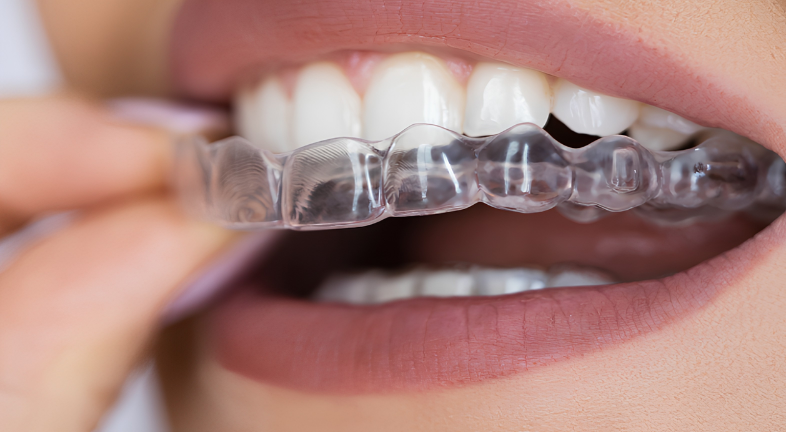 Are Clear Aligners Right for You? Common Dental Issues They Can Fix
Clear aligners can straighten mild to moderate cases of crowding, spacing, crooked teeth, and certain bite concerns without the appearance of metal brackets. These custom-made, transparent trays gradually apply controlled pressure to guide teeth into better positions, making them a discreet and convenient teeth-straightening option for eligible individuals.
Read More Why Your Aligners Stop Tracking and How to Fix It
Aligners stop tracking when they no longer fit snugly against your teeth the way your treatment plan intended, and it's almost always caused by wear time, tray damage, or a movement that's simply taking longer than expected. The good news is that most of these issues can be corrected without starting over. Below, you'll find the real reasons why aligners stop tracking, how to spot the early signs, and the exact steps that get treatment back on schedule.
Read More How Clear Aligners Affect Jaw Muscles
To answer the question, “How do clear aligners affect jaw muscles?”, clear aligners can affect the jaw muscles, but usually only mildly and temporarily. As your bite gradually shifts, the muscles you use for chewing adapt to the new tooth positions. Most people feel little to nothing at all. When soreness does show up, it tends to fade within a few days. This is different from a jaw joint (TMJ) disorder, which involves the joint itself rather than the surrounding muscle tissue.
Read More



Heading