
Table of Content
Are you thinking about getting braces but worried about how they'll look? Damon Clear Braces might be the perfectsolution for you. In this blog, we'll explain what Damon clear braces are, how they work, and whether they're as invisible as they claim to be.
Damon clear braces are a type of braces that use a special system to move your teeth. Unlike traditional braces, they don't need elastic ties to hold the wires in place. Instead, they use a sliding mechanism that allows your teeth to move more freely, which can make the treatment more comfortable. These braces are made from a clear material that blends in with your teeth, making them less noticeable than metal braces.

Damon Clear Braces are designed to be as invisible as possible. The clear ceramic material matches the color of your teeth, so they blend in well. In most everyday situations, other people probably won't even notice you're wearing braces. However, they're not completely invisible; if someone looks closely, they might see them.

Damon clear braces are suitable for a wide range of orthodontic issues, from minor tooth alignment to more complex cases. They are particularly beneficial for adults and teenagers looking for a less noticeable orthodontic treatment.
In the UK, the cost of Damon Clear Braces can vary, but they generally range from £1,500 to £6,000. It's advisable to check with your insurance provider to see if they offer any coverage for orthodontic treatments.
Now that we've covered what Damon clear braces are, their benefits, and what to expect, let's go over how to take care of them daily.
Damon Clear Braces offer a blend of aesthetics and functionality, making them a popular choice for those seeking orthodontic treatment without the noticeable appearance of traditional braces. If you're considering orthodontic treatment, consult with your orthodontist to see if Damon clear braces are right for you.

Curated the best for your knowledge
 Are Ultrasonic Cleaners Worth It for Clear Aligners?
Yes, ultrasonic cleaners for clear aligners can be worth it, especially for removing plaque, debris, and buildup that regular brushing may miss. They use high-frequency sound waves to create tiny bubbles that help loosen buildup from the trays and other orthodontic appliances, including retainers, mouthguards, and night guards. However, they are not essential for everyone and have some limitations. Here’s how ultrasonic cleaners work, their benefits and drawbacks, and how to use one safely.
Read More The Aligner Diet: Can Clear Aligners Really Cause Weight Loss?
Some people notice they've lost a little weight after starting clear aligner treatment. It can happen, especially during the first few weeks, when taking the trays out for every meal and snack takes some getting used to. Sore teeth can also make eating less appealing for a day or two. The amount of weight lost varies from person to person, and not everyone experiences this change. Below, we'll break down why it happens, whether it's actually good for you, and what to know before treating your aligners like a diet plan.
Read More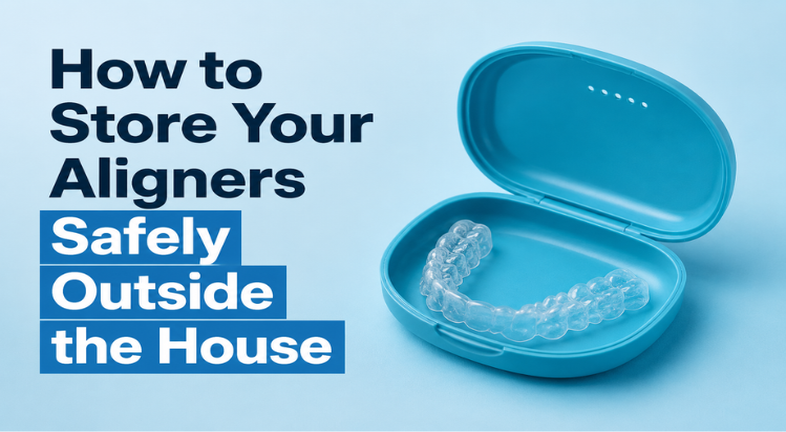 How to Store Your Aligners Safely Outside the House
Taking your clear aligners out while you're away from home is part of everyday life. The important part is knowing where to keep them until it's time to wear them again. Whether you're eating at a restaurant, traveling, running errands, or attending a social event, instead of leaving them on the table or wrapping them in a tissue or napkin, place them in a protective aligner case. Poor storage can lead to lost, damaged, or dirty aligners.
Read More



Heading