.webp)
Teen years are a strange mix of confidence and self-consciousness. One day, everything feels fine, and the next, even a small thing like a smile can feel like too much to show. Teeth play a bigger role in that than most people admit.
It is not always about looks, either. Sometimes it is discomfort, speech changes, or just the constant awareness that something feels off. That is where clear aligners start to make sense. They quietly fit into a teen’s life without asking for too much attention, and over time, they gently change things in ways that actually matter.
Crooked teeth are more common than people think. For teens, though, it can feel like a huge deal. It shows up in photos, in conversations, even in the way someone laughs or avoids smiling altogether.
Sometimes the teeth twist slightly. Other times, they overlap in ways that make brushing harder; it is rarely just one issue. And while some teens outgrow minor alignment problems, most do not resolve themselves naturally.
There is also this quiet emotional layer. A teen may not say anything, but they notice, and they compare. That awareness builds over time, and it can slowly affect confidence in ways that are hard to reverse later.
Crowding happens when there is not enough space in the jaw for all the teeth to sit properly. It sounds simple, but it creates a chain of small problems.
Food gets stuck more easily, and brushing becomes inconsistent, even when someone is trying to brush. Over time, plaque builds up in hard-to-reach places.
For teens, this often turns into frustration. They might feel like they are doing everything right, but are still dealing with dental issues. Clear aligners help by gradually creating space and guiding teeth into a more natural position.
Not all alignment issues are obvious at first glance. Some are subtle but still impactful. Overbites, underbites, crossbites, and spacing issues can all develop during teenage years. These problems affect how the upper and lower teeth meet, which can influence chewing, speaking, and even jaw comfort.
What makes this stage important is timing. Teeth are still shifting, and the jaw is still developing. That makes it easier to guide alignment in the right direction compared to adulthood.
It is easy to assume crooked teeth are just about appearance, but that is only part of the story.
When teeth are not aligned properly, cleaning becomes uneven. Some areas get missed, no matter how careful someone is. Over time, this leads to gum irritation and inflammation.
If ignored, it can develop into gum disease. And for teens, that can feel unexpected because they are usually not thinking about long-term oral health yet.
Crowded or crooked teeth create hidden spots where plaque builds up. These areas are harder to clean with a regular toothbrush.
Even teens who brush daily can experience cavities because of this. It is not always about hygiene habits. Sometimes, it is just about accessibility.
Misaligned teeth can affect how the jaw moves. This might not show up immediately, but over time, it can lead to discomfort or even pain while chewing.
Some teens experience clicking sounds or tension without realizing it is linked to alignment. These small signs often go unnoticed until they become more serious.
Clear aligners offer a different approach compared to traditional braces. They are designed to fit into daily life rather than disrupt it.
One of the first things teens notice is the comfort. No wires or brackets are pressing against the inside of the mouth.
The aligners are smooth and custom-made. It takes a little time to adjust, but overall, they feel less intrusive.
Since aligners are removable, brushing and flossing stay simple. Teens can maintain their usual routine without working around fixed hardware.
This makes a real difference over time. Cleaner teeth, healthier gums, and fewer unexpected dental visits.
Appearance matters during teenage years, even if it is not openly discussed. Clear aligners are barely noticeable, which helps teens feel more at ease. They can smile, talk, and interact without feeling like their treatment is the center of attention.
Clear aligner treatment typically takes about 6 to 18 months, depending on the complexity of the case. Traditional braces often take longer.
The exact timeline varies, but many teens start seeing visible changes within a few months. That early progress can be motivating.
Food restrictions are one of the biggest complaints with braces. Aligners remove that issue completely.
Since they can be taken out during meals, teens can enjoy their usual diet without worrying about damaging brackets or wires.
What makes clear aligners stand out is not just the process but the outcome. Teens who complete treatment often experience a shift beyond their smile. Confidence improves, but it does not happen overnight. It builds gradually as changes become visible.
There is also a sense of control. The treatment feels manageable, not overwhelming. That alone can make a big difference in consistency.
The process starts with a digital scan or impressions of the teeth. From there, a series of custom aligners is created. Each set is worn for about one to two weeks before moving to the next. The teeth shift slightly with every stage.
It sounds simple, and in many ways it is. But consistency matters. Aligners need to be worn for around 20 to 22 hours a day to stay on track.
Clear aligners fit into routines without forcing major changes. Teens can continue school, sports, and social activities without interruption.
There is no need for frequent emergency visits or adjustments. Everything feels more predictable.
The cost can vary depending on the treatment plan and complexity. This is often where people start comparing options and looking into clear aligners cost in more detail.
While Invisalign is a well-known option, many alternatives like Caspersmile offer similar results at different price points. The key is understanding what is included in the treatment.
Starting treatment during teenage years can prevent bigger issues later. It sets the foundation for long-term dental health.
For those who miss this stage, options like clear aligners for adults are still available. Treatment is still effective, though it may take slightly longer.
This question comes up more often than expected. Why go through the effort? The answer is not just about appearance. Straight teeth are easier to clean, more comfortable, and less likely to develop complications over time.
For teens, it is also about building confidence early. Small changes now can have a lasting impact later. Clear aligners are not just a trend. They are a practical solution that fits modern lifestyles, especially for teens who want something effective without the extra attention. Over time, the results speak for themselves, quietly but clearly.

Curated the best for your knowledge
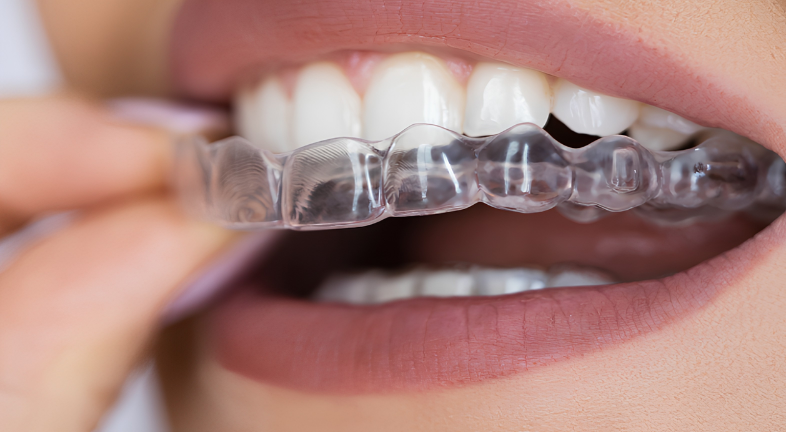 Are Clear Aligners Right for You? Common Dental Issues They Can Fix
Clear aligners can straighten mild to moderate cases of crowding, spacing, crooked teeth, and certain bite concerns without the appearance of metal brackets. These custom-made, transparent trays gradually apply controlled pressure to guide teeth into better positions, making them a discreet and convenient teeth-straightening option for eligible individuals.
Read More Why Your Aligners Stop Tracking and How to Fix It
Aligners stop tracking when they no longer fit snugly against your teeth the way your treatment plan intended, and it's almost always caused by wear time, tray damage, or a movement that's simply taking longer than expected. The good news is that most of these issues can be corrected without starting over. Below, you'll find the real reasons why aligners stop tracking, how to spot the early signs, and the exact steps that get treatment back on schedule.
Read More How Clear Aligners Affect Jaw Muscles
To answer the question, “How do clear aligners affect jaw muscles?”, clear aligners can affect the jaw muscles, but usually only mildly and temporarily. As your bite gradually shifts, the muscles you use for chewing adapt to the new tooth positions. Most people feel little to nothing at all. When soreness does show up, it tends to fade within a few days. This is different from a jaw joint (TMJ) disorder, which involves the joint itself rather than the surrounding muscle tissue.
Read More



Heading