


Key takeaways
- Clear aligners can treat mild to moderate crowding, gaps, crooked teeth, and certain bite issues.
- They work by applying controlled pressure to gradually move teeth into planned positions.
- Severe jaw discrepancies, complex bite problems, impacted teeth, and some severe cases may require other orthodontic treatments.
- Suitability depends on your oral health, the severity and cause of the problem, and the type of tooth movement required.
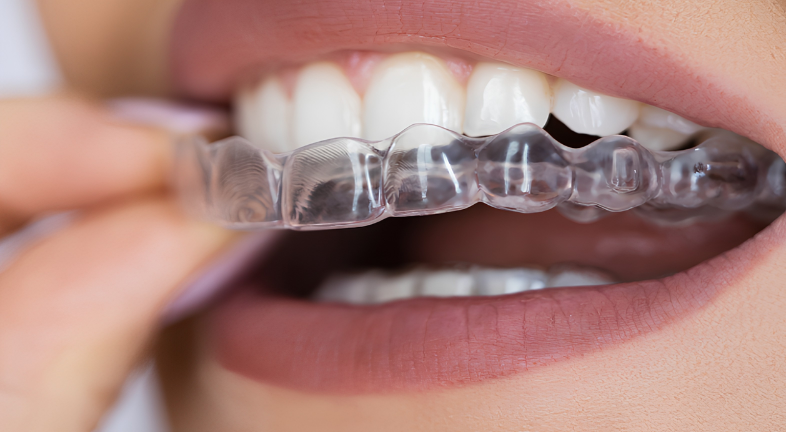
Clear aligners can straighten mild to moderate cases of crowding, spacing, crooked teeth, and certain bite concerns without the appearance of metal brackets. These custom-made, transparent trays gradually apply controlled pressure to guide teeth into better positions, making them a discreet and convenient teeth-straightening option for eligible individuals.
However, if you are wondering whether clear aligners are right for you? Your eligibility depends on factors such as the severity of your misalignment, the condition of your teeth and gums, the type of tooth movement required, and the complexity of your bite. A professional assessment is therefore necessary to determine whether clear aligners can provide the results you want or whether another orthodontic treatment would be more appropriate.
Common Clear Aligners Dental Issues Can Fix
The dental issues that clear aligners can treat depend on the severity and cause of the condition. Some concerns involve only tooth position, while others are connected to jaw structure or more complex bite relationships.
Crowded Teeth
Crowding occurs when there is not enough space in the dental arch for all teeth to sit in their ideal positions. As a result, teeth may overlap, twist, or shift forward or backward.
Fix crowded teeth with clear aligners by gradually creating and using space within the dental arch. Depending on the treatment plan, this may involve controlled tooth movement, slight arch expansion, or interproximal reduction, which removes a very small amount of enamel between selected teeth when clinically appropriate.
Mild to moderate crowding is often well suited to aligner treatment. More severe crowding may still be treatable, but it may require attachments, additional procedures, or a different orthodontic approach.
Gapped Teeth
Gaps between teeth, also called spacing or diastema, may develop because of tooth size, jaw size, missing teeth, or habits that affect tooth position.
Clear aligners can gradually move teeth closer together and improve the appearance and function of the smile. However, treatment depends on the cause of the spacing. For example, gaps caused by missing teeth, gum disease, or certain oral habits may require additional care.
The American Association of Orthodontists notes that treatment for spacing depends on factors such as the cause, size, and location of the gaps, as well as other alignment concerns.
Overbite Underbite Correction
An overbite occurs when the upper front teeth extend excessively over the lower front teeth. An underbite occurs when the lower teeth sit in front of the upper teeth.
Overbite and underbite correction with clear aligners may be possible when the issue is mainly related to tooth position and falls within the range of movements the treatment plan can achieve. Aligners may be used with attachments or other orthodontic components to improve tooth alignment and bite relationships.
However, severe overbites or underbites caused by significant differences in jaw size or position may not be corrected with aligners alone. In these cases, braces, additional appliances, or orthognathic surgery may be considered.
Crossbite
A crossbite occurs when one or more upper teeth sit inside the lower teeth rather than outside them. It may affect the front teeth, back teeth, or both.
Clear aligners may help correct mild to moderate dental crossbites by moving the affected teeth into a more balanced position. However, if the crossbite is caused by a narrow upper jaw or a significant skeletal imbalance, aligners alone may not provide the required correction.
Open Bite
An open bite occurs when the upper and lower teeth do not meet properly when the mouth is closed. This may make biting into certain foods more difficult and can affect speech or overall bite function.
Clear aligners may improve some mild or moderate open bites, particularly when the problem is mainly caused by tooth position. More complex open bites involving jaw growth, skeletal differences, or long-standing habits may require a more comprehensive treatment approach.
Crooked and rotated teeth
Crooked teeth may be tilted, unevenly positioned, or rotated. Clear aligners can gradually guide many of these teeth into better alignment, especially when the required movement is mild or moderate.
Some complex rotations are less predictable and may require attachments, refinements, or another orthodontic treatment. A digital treatment plan can help determine whether the desired movement is achievable.
| Do you know? | Clear aligners are not simply cosmetic trays. Each aligner is designed to apply controlled force to selected teeth, which is why an accurate assessment and personalized treatment plan are important. |
What Clear Aligners Can’t Fix
Clear aligners may not be the right treatment for severe or highly complex orthodontic concerns, particularly when significant jaw correction or difficult tooth movement is required.
At-home clear aligners may not be suitable for:
- Severe crowding or large gaps
- Major jaw discrepancies
- Significant skeletal overbites or underbites
- Impacted or severely rotated teeth
- Complex bite problems
- Untreated gum disease, tooth decay, or dental infections
- Cases requiring extractions or surgical treatment
Traditional braces or comprehensive orthodontic care may provide greater control for complex cases.
Who is Not Suitable for Clear Aligners?
Clear aligners may not be suitable for people with severe orthodontic concerns, untreated dental problems, major jaw discrepancies, or complex bite issues. They may also be unsuitable for individuals who cannot wear removable aligners consistently.
An in-person dental assessment may be necessary if you have bleeding gums, loose teeth, persistent tooth pain, untreated cavities, missing or impacted teeth, or a history of significant dental problems. Since tooth movement affects the teeth, gums, and supporting bone, existing oral health concerns should be addressed before starting treatment.
A Convenient Path Towards a Straighter Smile
Clear aligners may be right for you if your dental concerns are suitable for aligner treatment and you can wear them consistently. They can address many common problems, including crowding, gaps, crooked teeth, and certain bite issues, while offering a removable and discreet alternative to traditional braces.
However, the severity and cause of the problem matter. Some complex tooth movements and jaw-related concerns may require braces, additional orthodontic appliances, or combined treatment. The best option is the one that can safely and predictably address both your smile goals and your bite.
If you are considering at-home treatment for mild to moderate alignment concerns, Caspersmile Clear Aligners may offer a convenient way to begin exploring your teeth-straightening options.




Heading