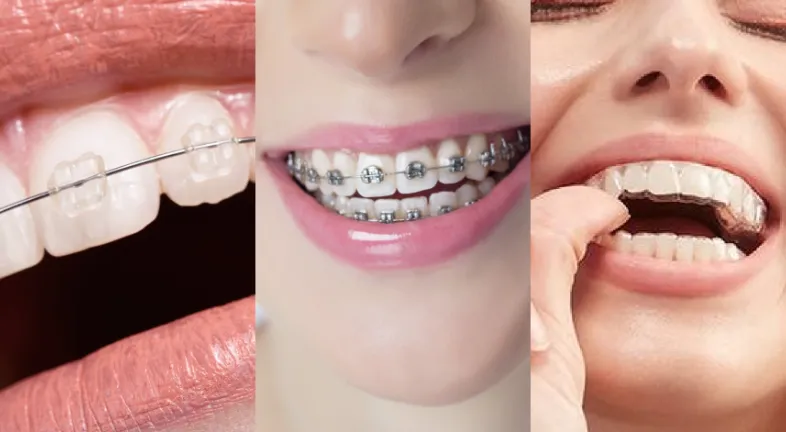
Teeth straightening is not just limited to cosmetic concerns, but it also helps resolve any of the functional issues, including bite alignment. Dental misalignments have become common among individuals of all ages. Regardless of whether you are dealing with crowded teeth, gapped teeth, or any other dental issues, there are now various ways to straighten teeth. The advancements in dentistry have introduced a range of options. From braces vs aligners to other orthodontic devices, teeth straightening has never been easier. In this blog, let us help you explore the best ways to straighten teeth.
Teeth alignment goes far beyond enhancing your appearance; it plays a crucial role in your overall oral health and functionality. When teeth are misaligned, it can affect how your upper and lower jaws meet, leading to chewing difficulties, speech problems, and strain on the jaw muscles, sometimes resulting in temporomandibular joint (TMJ) discomfort. Crooked or crowded teeth also create hard-to-reach areas where plaque, bacteria, and food particles tend to accumulate, increasing the risk of cavities, gum disease, and enamel wear over time.
Properly aligned teeth, on the other hand, allow for an even bite and easier cleaning, reducing the likelihood of dental issues while giving you a more balanced facial appearance. Ultimately, a straight smile doesn’t just look beautiful; it supports long-term oral health and restores confidence in every expression.
When considering the best ways to straighten teeth, the options generally fall into two categories: traditional orthodontic appliances (like braces) and modern clear aligners. Let’s explore each one in depth.
.webp)
Metal braces are the original and most time-tested method of straightening teeth. They consist of small stainless-steel brackets that are cemented to the front of each tooth. These brackets are connected by an archwire, which is held in place with tiny elastic bands. Over time, the orthodontist adjusts the tension in these wires to apply gentle, consistent pressure that gradually moves your teeth into the correct position.
Metal braces can correct even the most severe orthodontic problems, including overbites, underbites, crossbites, overcrowding, and crooked teeth. Depending on the complexity of the case, treatment can take anywhere from 18 months to 3 years, with regular tightening appointments every 4–6 weeks.
.webp)
Ceramic braces work on the same principle as metal braces but with a cosmetic twist — the brackets are made of clear or tooth-colored ceramic material, blending more naturally with your teeth. This makes them far less noticeable, which is why they’re often referred to as clear braces. Just like metal braces, ceramic braces use archwires and brackets to guide teeth into their ideal positions. However, the ceramic material provides a more aesthetically pleasing alternative, especially for patients concerned about the “metal mouth” look. You can even opt for tooth-colored wires to make them blend even better.
.webp)
Lingual braces are one of the most discreet orthodontic options available. Unlike traditional braces that sit on the front of your teeth, lingual braces are placed on the inside (tongue-facing) surface. This makes them completely invisible when you smile or speak. Each bracket is custom-made to fit the contours of the back of your teeth. The wires are then precisely adjusted to apply the same type of controlled pressure as traditional braces, gradually moving your teeth into alignment. Because they are positioned behind the teeth, the process requires specialized orthodontic training and equipment.
.webp)
Clear aligners are a breakthrough in orthodontics. Brands like ALIGNERCO design custom sets of transparent, removable trays that gradually shift your teeth into alignment. Each aligner set is worn for 20–22 hours a day and replaced with a new set every 10 days as your teeth move. Aligners apply gentle, strategic pressure to targeted teeth, guided by advanced 3D scanning and treatment planning. Unlike braces, there are no metal parts, wires, or frequent in-office visits; everything is digitally monitored.
Self-ligating braces are an innovative version of traditional braces designed to minimize friction and improve efficiency. Instead of using elastic ties to hold the wire in place, they use a built-in clip mechanism. The self-ligating system allows the wire to move more freely within the bracket, which results in less resistance and faster tooth movement. This means fewer adjustments, shorter appointments, and often a quicker treatment time compared to conventional braces.
Retainers are the orthodontic devices that are used post-teeth straightening, whether with braces or aligners. Retainers are of different types, including Hawley retainers, clear retainers, and permanent retainers, custom-made to hold your teeth in their corrected position. Orthodontists often recommend wearing retainers full-time for a few months, then switching to nighttime wear to maintain the new position.
Affordable Teeth Straightening Options (H2)
Many adults delay orthodontic care due to perceived high costs. The good news? Today’s affordable teeth straightening options make treatment accessible to almost everyone.
Here are some cost-effective approaches:
By combining convenience with affordability, aligners have become a popular solution for teeth straightening for adults who want visible improvements without traditional braces.
Many people wonder about how to get straight teeth naturally at home. While mild cosmetic issues might appear to improve with good oral care or exercises, true alignment changes require controlled orthodontic force, something only braces or aligners can provide.
That said, maintaining oral health can help support your treatment:
So while you can’t “move” teeth naturally, you can keep your mouth in optimal condition for orthodontic success.
Contrary to popular belief, orthodontic treatment isn’t just for kids. In fact, more adults than ever are investing in smile correction.
Clear aligners have revolutionized teeth straightening for adults, offering a discreet, convenient alternative that fits adult lifestyles, with no metal wires, no awkward smiles during meetings, and complete control over your progress.
| Feature | Braces | Clear Aligners |
|---|---|---|
| Visibility | Visible | Nearly invisible |
| Comfort | May cause irritation | Smooth and comfortable |
| Removability | Fixed | Removable |
| Hygiene | Harder to clean | Easy to maintain |
| Treatment Duration | 1 - 3 years | 4-6 months |
| Cost | Moderate to high | Varies; often lower |
| Follow-ups | Frequent in-office visits | Remote monitoring possible |
Modern smile correction treatments combine aesthetics with functionality. Beyond alignment, treatments can include:
Pairing orthodontic care with cosmetic dentistry ensures your final result is not just straight, but radiant and confident.
Having straight teeth is more than a cosmetic benefit; straightening your teeth improves oral function, hygiene, and self-esteem. Today’s dentistry has made it easy and accessible to have an effective, affordable, and quick solution to fix your smile for your lifestyle.
Regardless of whether you go with braces or aligners, it all comes down to consistent use and a dental professional who can guide you when in doubt. Adults looking for comfort and subtlety will often find that clear aligners for straightening teeth are perfect for teeth straightening without sacrificing comfort or confidence.

Curated the best for your knowledge
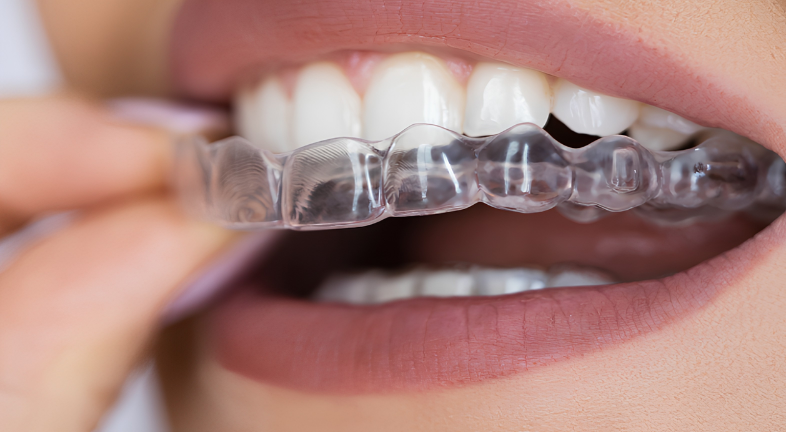 Are Clear Aligners Right for You? Common Dental Issues They Can Fix
Clear aligners can straighten mild to moderate cases of crowding, spacing, crooked teeth, and certain bite concerns without the appearance of metal brackets. These custom-made, transparent trays gradually apply controlled pressure to guide teeth into better positions, making them a discreet and convenient teeth-straightening option for eligible individuals.
Read More Why Your Aligners Stop Tracking and How to Fix It
Aligners stop tracking when they no longer fit snugly against your teeth the way your treatment plan intended, and it's almost always caused by wear time, tray damage, or a movement that's simply taking longer than expected. The good news is that most of these issues can be corrected without starting over. Below, you'll find the real reasons why aligners stop tracking, how to spot the early signs, and the exact steps that get treatment back on schedule.
Read More How Clear Aligners Affect Jaw Muscles
To answer the question, “How do clear aligners affect jaw muscles?”, clear aligners can affect the jaw muscles, but usually only mildly and temporarily. As your bite gradually shifts, the muscles you use for chewing adapt to the new tooth positions. Most people feel little to nothing at all. When soreness does show up, it tends to fade within a few days. This is different from a jaw joint (TMJ) disorder, which involves the joint itself rather than the surrounding muscle tissue.
Read More



Heading