
Wearing aligner trays for 20-plus hours a day and swapping them out every couple of weeks gets tiring, and that’s completely normal.
Clear aligner treatment burnout shows up more often than people expect, especially during longer cases. The good news is that it’s manageable.
With a few practical habits, you can push through the tough stretches and stay on track without losing your motivation.

Clear aligner treatment burnout is the mental and emotional fatigue that builds up from the daily demands of wearing aligners.
It’s not about the treatment failing; it’s about the repetition wearing you down: same routine, same restrictions, same waiting game, day after day. Left unchecked, this fatigue can chip away at motivation and, eventually, at compliance.
Aligner burnout doesn't usually happen all at once. It often starts with small changes in your routine that make it harder to stay consistent.
Experiencing one or two of these signs occasionally is normal. Recognising them early allows you to adjust your routine and get your treatment back on track before they affect your progress.

Several factors combine to make clear aligner treatment stress feel bigger than it should. None of them are dramatic on their own, but stacked together over months, they add up fast.
Orthodontists typically recommend 20 to 22 hours of daily wear for aligners to work as intended.
One 2021 cohort study found that only 36% of patients achieved full compliance with the recommended time, which says a lot about how demanding the schedule really is.
That kind of commitment leaves very little room for forgetting or skipping, and the pressure to keep up can wear people down.
Removing trays before every meal or snack, then brushing before putting them back in, turns eating into a small chore. Coffee breaks, quick snacks, and spontaneous meals out all require extra planning, which gets old fast.
A slight lisp or altered speech pattern in the first few days of a new tray is common, and it can make people self-conscious in meetings or social settings.
This is usually temporary, but it still contributes to the emotional effects of clear aligners that nobody really talks about.
Tooth movement happens slowly and often invisibly, week to week. Not seeing an obvious change in the mirror, even when the treatment is working, can feel discouraging over time.
Cases that stretch past a year carry a higher risk of burnout during orthodontic treatment, simply because the routine has more time to feel monotonous.
Coping with aligner fatigue during long treatmentcomes down to small, repeatable habits rather than big gestures. Here’s what actually helps:
Celebrate each new tray instead of fixating on the final result. Breaking treatment into two-week chunks makes the whole process feel far more manageable.
Pair tray removal and reinsertion with habits you already do, like brushing your teeth or your morning coffee. Anchoring the routine to something automatic reduces the mental effort involved.
A quick photo every couple of weeks captures changes that day-to-day observation misses. Looking back at month one versus month six is often the motivation boost people need.
Keep a small travel case, floss, and toothpaste on hand so meals out don’t feel like a production. A little preparation removes most of the friction around eating with aligners.
Missing an hour or two of wear time occasionally isn’t the end of the world. Being too hard on yourself tends to backfire and makes burnout worse, not better. This mindset shift alone can make a real difference for anyone deep in staying motivated during aligner treatment.
Clear aligner treatment burnout is more common than many people expect, but it does not have to derail your treatment. If you notice your wear time slipping, motivation fading, or treatment starting to feel overwhelming, speak with your provider early before small setbacks become bigger delays.
With realistic expectations, simple daily routines, and consistent communication, you can stay on track and reach your smile goals with confidence.

Curated the best for your knowledge
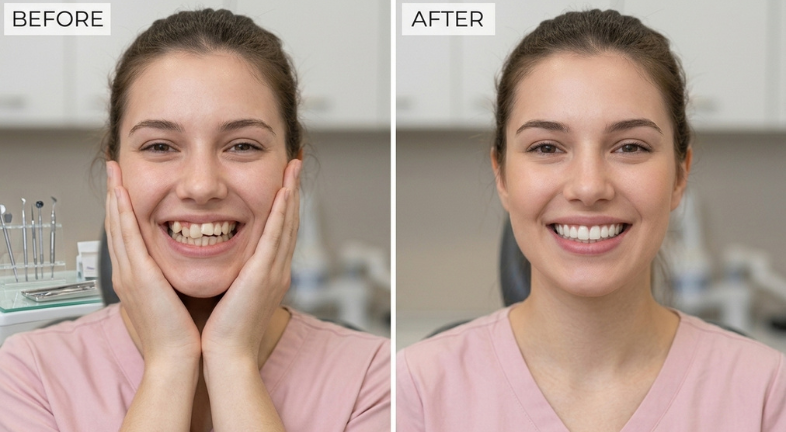 Do Clear Aligners Change Your Face Shape?
Yes, aligners can change your face shape slightly, mainly by changing the position and alignment of your teeth and, in some cases, your bite. But they don’t change your actual bone structure.
Read More What to Do If You Lose Your Aligners While Traveling
The first thing is to contact your provider and figure out if you can switch back to a previous tray or move to the next one. Losing your aligners while traveling can be stressful, but it does not necessarily mean your treatment will be disrupted. The most important thing is to act quickly. Look for your missing tray, wear your previous aligner if advised, and contact your provider for instructions on what to do next. In this guide, we’ll explain what to do if you lose your aligners while traveling, how a lost aligner can affect your treatment timeline, and what you can do to prevent it from happening again.
Read More Building Better Habits During Clear Aligner Treatment
Building better habits during clear aligner treatment can help you stay consistent with aligner wear, oral hygiene, and your treatment plan. Simple routines, such as wearing your aligners as directed, cleaning them regularly, and keeping track of your wear time, can make treatment easier to manage and help you stay on schedule. In this guide, we’ll cover the most important habits during clear aligner treatment and practical ways to make them part of your daily routine.
Read More



Heading