Table of contents
Clear braces are a popular choice if you want straighter teeth without the train-track look of traditional metal brackets. They blend in with your natural smile, which makes them especially appealing for adults and teens who want a more subtle orthodontic option.
But here’s the big question many people ask before committing: Do clear braces stain easily? And if they do, what can you actually do about it? Let’s break this down in a simple, practical way so you know exactly what to expect and how to keep your clear braces looking fresh throughout treatment.
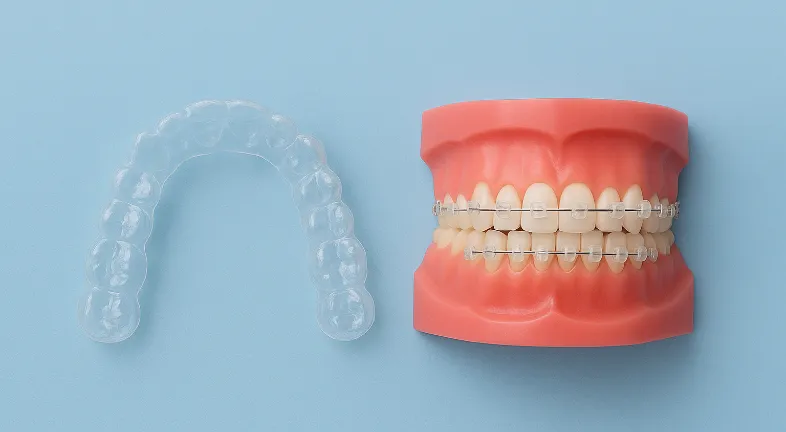
There are a few different types of clear braces available, and each stains differently. Let’s explore this in a little more detail.
Do ceramic braces stain easily, you ask? Ceramic brackets (the clear or tooth-colored squares attached to your teeth) are made from stain-resistant materials. That means they’re built to stay pretty much the same color for the whole treatment.
However, the part that stains more easily is the elastic ligatures, those tiny rubber bands that hold the wire in place. They can pick up color from things like curry, coffee, or soda. Luckily, your orthodontist changes them out every 4–6 weeks, so the discoloration is temporary.
Clear aligners like those from Caspersmile are a little different since they don’t use brackets or wires at all. Instead, they’re removable plastic trays you swap every 1–2 weeks. Since you take them out to eat, there’s less risk of staining from food.
But here’s the catch: if you drink coffee, tea, or soda while wearing them, or if you don’t brush before popping them back in, they can become cloudy or slightly tinted. The good news is that since you switch to a fresh set so often, staining usually isn’t a long-term problem.
Here’s the part nobody loves hearing: some of your favorite foods and drinks are the biggest culprits. Common foods and drinks that stain clear braces include:
Even though you don't have to cut these out completely, being mindful about how often you have them and cleaning your teeth soon after consuming any of these makes a big difference.
Wondering, “Do clear braces turn yellow?” The honest answer is: not usually, as long as you take care of them.
In other words, yellowing is more of a temporary nuisance than a long-term problem.

Clear braces are amazing when it comes to functionality, but the constant fear of staining the brackets can lead to unnecessary anxiety. But trust us, just maintaining and developing a few simple habits can really keep clear braces stain-free:
Think of it like caring for a white shirt, you don’t stop wearing it, you just avoid things that might stain and wash it properly.
Sometimes, no matter how careful you are, elastics can still stain. Here are some practical cleaning tips:
And remember, replacing elastic bands is part of the process, so don’t stress too much if they stain before your next appointment.
Absolutely. For most people, the occasional elastic discoloration is a small trade-off for a more discreet orthodontic option. Clear braces are especially popular among adults who want effective treatment without the “metal smile.”
If you’re extra concerned about staining, talk to your orthodontist. They may offer self-ligating clear braces (which don’t use elastics) or recommend aligners as an alternative.
So, do clear braces stain easily? The brackets themselves don’t, but the elastics can due to food residue. With good care, mindful food choices, and regular orthodontic visits, you can keep your braces looking nearly invisible throughout treatment.
Pro Tip: Make a travel-size kit containing an intradental brush, floss, and mouthwash. This can help you tremendously in moments when you are in need of quick brace maintenance.

Curated the best for your knowledge
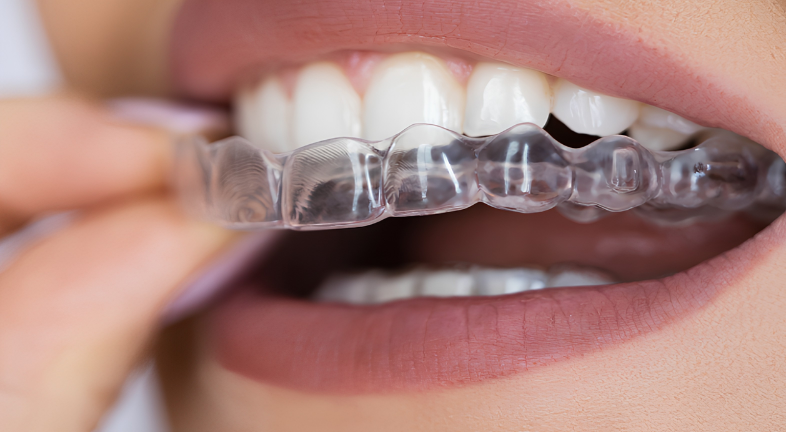 Are Clear Aligners Right for You? Common Dental Issues They Can Fix
Clear aligners can straighten mild to moderate cases of crowding, spacing, crooked teeth, and certain bite concerns without the appearance of metal brackets. These custom-made, transparent trays gradually apply controlled pressure to guide teeth into better positions, making them a discreet and convenient teeth-straightening option for eligible individuals.
Read More Why Your Aligners Stop Tracking and How to Fix It
Aligners stop tracking when they no longer fit snugly against your teeth the way your treatment plan intended, and it's almost always caused by wear time, tray damage, or a movement that's simply taking longer than expected. The good news is that most of these issues can be corrected without starting over. Below, you'll find the real reasons why aligners stop tracking, how to spot the early signs, and the exact steps that get treatment back on schedule.
Read More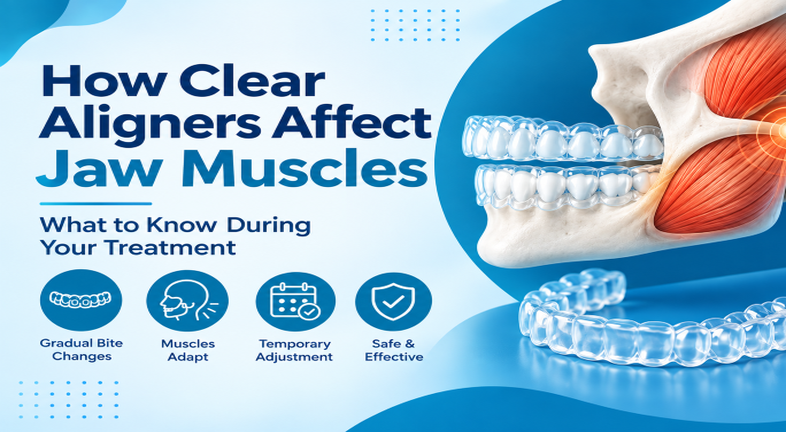 How Clear Aligners Affect Jaw Muscles
To answer the question, “How do clear aligners affect jaw muscles?”, clear aligners can affect the jaw muscles, but usually only mildly and temporarily. As your bite gradually shifts, the muscles you use for chewing adapt to the new tooth positions. Most people feel little to nothing at all. When soreness does show up, it tends to fade within a few days. This is different from a jaw joint (TMJ) disorder, which involves the joint itself rather than the surrounding muscle tissue.
Read More



Heading