.webp)
If you have slight overlaps or misaligned teeth, clear aligners are an efficient and non-disruptive option. Many patients ask, “Can aligners fix minor crowding?” and, typically, they can in most mild cases.
Treatment is often comfortable, nearly invisible, and surprisingly efficient, with minor crowding frequently corrected within four to nine months. That said, a proper dental assessment remains essential to confirm suitability and ensure safe, predictable results.
Minor crowding often shows up as small overlaps, slight rotations, or teeth that appear pushed forward or backward. It is not dramatic. In fact, many people live with it for years without realising it can be corrected fairly easily.
Crowding occurs when there is not enough space in the jaw for all teeth to align properly. While genetics plays a part, early tooth loss or delayed loss of baby teeth can also contribute, and some cases simply result from natural variation in jaw development.
For patients researching how to fix your crowded teeth with aligners, it helps to know that mild crowding is among the most predictable alignment issues to treat. The teeth are close to where they should be. They simply need guidance into their ideal positions.
In the UK, many adults seek orthodontic treatment later in life. The appeal of subtle correction has grown considerably, especially when compared with traditional metal braces.
Clear aligners differ from traditional braces in that they use digitally planned, custom-made trays to move teeth gradually. The treatment is precise, planned, and designed for comfort.
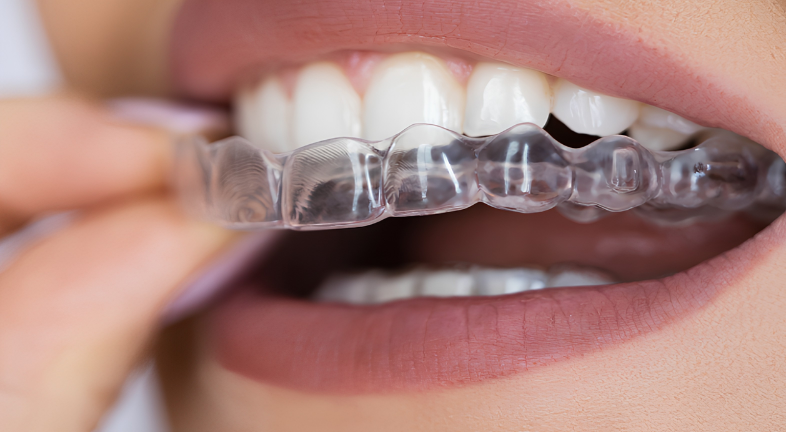
Every aligner is custom-made from transparent, medical-grade plastic and fits snugly over your teeth. This ensures precise pressure application exactly where it’s needed. For mild crowding, even small movements can lead to noticeable improvements, and the custom design of aligners ensures that these adjustments are controlled and effective.
The digital planning and precision fabrication of trays allow for a tailored approach, which is particularly important for adults who want predictable, aesthetically pleasing results without the visibility of traditional braces.
Teeth do not shift instantly; they respond to controlled, consistent pressure over time. Each new aligner tray moves teeth fractionally closer to their final position. Mild tightness or pressure is normal when switching trays and is a positive sign that movement is occurring.
This method allows for comfortable treatment, with most patients noticing visible changes within just a few months. Gradual movement is particularly suitable for minor crowding because it avoids unnecessary discomfort while still delivering efficient results.
One of the biggest advantages of clear aligners is their removability. Unlike fixed braces, aligners can be removed for meals and cleaning, allowing you to maintain excellent oral hygiene. There are no dietary restrictions, and the absence of brackets prevents irritation to cheeks and lips.
This flexibility is particularly appealing to adults who value discretion and convenience. Aligners integrate seamlessly into daily life, making orthodontic treatment feel natural rather than disruptive.
The central question for many is: What can clear aligners fix ? For mild cases, clear aligners are highly effective. They can correct small overlaps, slight rotations, and minor misalignments with precision. Aligners gradually apply gentle pressure to teeth, guiding them into more aesthetically pleasing positions over time.
However, clear aligners have their limitations. Severe crowding, complex bite problems, or significant jaw discrepancies may not be resolved with aligners alone. In such cases, traditional braces, extractions, or other orthodontic interventions may be necessary.
A professional assessment is crucial before starting treatment. Dentists evaluate gum health, bone structure, bite alignment, and overall dental stability to ensure aligners are both safe and effective. Attempting self-treatment or skipping evaluation can lead to incomplete correction or relapse. When prescribed correctly, clear aligners offer a predictable, comfortable, and discreet solution for mild crowding.
Before starting, an orthodontist must evaluate your teeth, bite, and jaw structure to determine whether you are eligible for aligners.
If your front teeth slightly overlap or rotate, or if brushing feels challenging due to tight spaces, you could benefit from fixing your crowded teeth with aligners. Adults whose teeth have shifted over time also make ideal candidates. Minor crowding often responds quickly to aligners, making the process predictable and convenient.
Once eligibility is confirmed, the professional assessment gives insight into how the treatment will proceed.
During assessment, orthodontists take detailed scans or impressions of your teeth to create a 3D model. Photos and X-rays may be used to evaluate bone structure and gum health. This step is essential for accurately planning movement. The plan outlines which teeth will move, by how much, and in what sequence. For those wondering how to fix crowding teeth , this stage ensures the solution is customized, safe, and effective.
With a clear plan in place, the next phase is treatment.
Knowing what to expect from start to finish can make the process feel much less intimidating. Clear aligners follow a structured path, and the great news is you can often do it from the comfort of your own home. Providers like Caspersmile in the UK let you handle consultations, impressions, and progress updates completely online while still getting professional guidance.
The first step is a detailed assessment. Your teeth are scanned digitally, and a personalised plan is created for you. Once your custom aligners are ready, which usually takes a few weeks, they are delivered to your home if you are going fully remote. The first tray may feel a little tight at first, which is normal and a sign that your teeth are starting to move.
For minor crowding, this phase usually feels smooth and straightforward. Using a remote provider lets you start treatment without traveling. Your scans are reviewed, your plan is approved, and your trays are ready for use in the same week or two. This makes beginning treatment simple and stress-free.
This is the stage where you begin to see noticeable changes. Small gaps close and overlaps reduce. Regular check-ins ensure everything stays on track. These can be in-person or remote, depending on your provider. Minor refinements, such as attachments or elastic bands, may be used to guide specific movements, but your teeth continue to move gradually and safely.
Consistency is important. Wearing your aligners for 20 to 22 hours each day helps ensure steady progress. With remote providers, you can send photos of your smile, get feedback, and make adjustments without leaving home. This way, you always know that your treatment is moving forward as planned.
When the active treatment is finished, retainers help hold your teeth in their new positions. Even mild crowding can relapse if retainers are not used correctly. They may be removable or fixed, and your provider will explain how often and how long to wear them.
If you have used a remote treatment service, guidance on retainer use and ongoing care is still available digitally. Following these instructions helps ensure your smile stays straight and healthy long after the aligners are removed.
With a clear understanding of the timeline, it is easy to see how aligners fit into daily life. You can improve your smile, support your oral health, and feel more confident without major disruption to your routine.
Correcting crowded teeth involves more than straightening what’s visible. Teeth are anchored in bone and supported by gums, which must remain healthy throughout treatment. Moving teeth too quickly or without supervision can cause gum recession, bite issues, or relapse.
Professional oversight ensures teeth move gradually, safely, and effectively. For mild crowding, clear aligners offer a highly controlled, gentle approach that delivers both aesthetic and functional improvements.
During treatment, you may notice mild pressure when starting a new tray, indicating that teeth are moving. Speech may feel slightly different at first, but usually normalizes quickly. Daily cleaning of aligners with lukewarm water or a soft-bristled brush helps prevent staining and odor. Routine dental appointments continue as normal.
For most patients, aligners integrate easily into daily life, allowing effective treatment without disrupting their routine.
For mild overlap and slight misalignment, clear aligners provide a refined approach to orthodontic care. They combine precision planning with aesthetic discretion.
When patients ask whether aligners can fix minor crowding, the answer in many mild UK cases is a confident yes. Treatment is often efficient, comfortable, and minimally disruptive.
However, success begins with professional evaluation. Suitability must be confirmed, and expectations should be realistic.
With proper planning, supervision, and retention, clear aligners offer a reliable path toward improved alignment and renewed confidence.

Curated the best for your knowledge
 Are Clear Aligners Right for You? Common Dental Issues They Can Fix
Clear aligners can straighten mild to moderate cases of crowding, spacing, crooked teeth, and certain bite concerns without the appearance of metal brackets. These custom-made, transparent trays gradually apply controlled pressure to guide teeth into better positions, making them a discreet and convenient teeth-straightening option for eligible individuals.
Read More Why Your Aligners Stop Tracking and How to Fix It
Aligners stop tracking when they no longer fit snugly against your teeth the way your treatment plan intended, and it's almost always caused by wear time, tray damage, or a movement that's simply taking longer than expected. The good news is that most of these issues can be corrected without starting over. Below, you'll find the real reasons why aligners stop tracking, how to spot the early signs, and the exact steps that get treatment back on schedule.
Read More How Clear Aligners Affect Jaw Muscles
To answer the question, “How do clear aligners affect jaw muscles?”, clear aligners can affect the jaw muscles, but usually only mildly and temporarily. As your bite gradually shifts, the muscles you use for chewing adapt to the new tooth positions. Most people feel little to nothing at all. When soreness does show up, it tends to fade within a few days. This is different from a jaw joint (TMJ) disorder, which involves the joint itself rather than the surrounding muscle tissue.
Read More



Heading