
Clear aligners are increasingly popular since they are less intense than metal braces in bringing teeth into alignment. They are removable, discreet, and pretty practical. Their effectiveness, however, greatly depends on just one factor: wear time. How long the aligners are worn will directly affect the speed of tooth movement, effectiveness, and thus the length of treatment time. In this blog, we discuss why aligner wear time is important and how it impacts treatment time, and we provide tips for keeping on track and achieving the best results.

Aligners apply pressure evenly and gently across the teeth, moving them into the desired position slowly. For this process to work as planned, aligners need to stay in the mouth most of the time. If aligners are removed frequently or not worn for long periods, the force applied is lost, and treatment progresses slowly.
If you wear your aligners inconsistently, that may entail:
Consistent wear is the foundation of successful aligner treatment.
Most orthodontists and aligner companies recommend wearing your aligners for at least 20 to 22 hours per day. This ensures that there is enough pressure on the teeth to move as planned.
Important Note:Remember, the more consistently you wear your aligners, the better your results will be.
Wearing your aligners for the recommended time each day helps ensure your treatment stays on schedule. Skipping wear time, even occasionally, can significantly affect how long it takes to achieve your new smile.

Aligners are designed to move your teeth in small increments with each tray. When worn consistently, they work efficiently, and you’ll likely progress to the next tray every 1-2 weeks. This keeps your treatment on track and helps you finish within the estimated timeline.
For example, a treatment plan for about six months could stay on schedule or even finish earlier with consistent wear. Missing wear time regularly, however, could add weeks or even months to the timeline.
If aligners aren’t worn for the recommended time, the teeth may not move as expected, and the next tray may not fit correctly. This can lead to:
Consistency is crucial to avoid setbacks and ensure smooth progress throughout your treatment.
Aligners rely on constant pressure to shift your teeth into their new positions. When aligners are not worn as directed, the treatment process can be interrupted, leading to delays and less effective results. Understanding why consistent wear is essential can help you stay motivated to follow the guidelines.
Aligners are designed to apply gentle, steady pressure to your teeth. This pressure gradually moves your teeth into alignment by softening the bone around them, allowing the teeth to shift. Each aligner is customized to achieve specific movements within a set time frame, usually 1-2 weeks.
What happens with consistent wear:Without sufficient wear time, the bone may not respond as expected, and your teeth can shift back to their original positions.
Skipping wear time or leaving aligners out for extended periods can cause several problems that affect both the treatment timeline and the outcome.
Common risks include:Following the recommended schedule ensures your treatment stays on track and minimizes the risk of setbacks.
Establishing a daily routine can make it easier to stick to the required wear time. Incorporate aligner care into your regular habits, such as brushing and flossing.
Tips for a consistent routine:Consistency becomes second nature when you make wearing aligners part of your daily routine.
The success of your aligner treatment depends on more than just completing the timeline—it’s about achieving the best possible results. Consistent wear ensures your teeth move according to plan, giving you the straight, healthy smile you’ve been working toward.

Aligners are designed to deliver precise results. Each tray is a step toward your ideal smile, and consistent wear ensures that every step is completed correctly.
When you follow the wear time guidelines, you’re more likely to achieve the smile you envisioned.
Some people may be tempted to wear their aligners less often or skip certain trays, hoping to speed up the process. However, taking shortcuts can lead to:
Orthodontists design treatment plans based on science and precision. Deviating from the recommended schedule can compromise the outcome.
After completing your aligner treatment, wearing retainers is essential to maintain your new smile. Retainers help prevent teeth from shifting back into their original positions, ensuring you don’t have to get braces the second time.
Consistent retainer use ensures your results last a lifetime.
Wearing aligners for 20-22 hours a day can feel challenging at first, especially if you’re new to clear aligners. However, with a few practical tips, you can build habits that make it easier to stick to the recommended schedule.
Breaking your day into smaller wear-time goals can make the process feel more manageable. For example, aim to wear your aligners for specific blocks of time between meals and then reinsert them immediately after eating.
These small steps can keep you motivated and focused.
Social situations, like eating out with friends or family, can make it harder to stick to your aligner schedule. Planning ahead can help you stay consistent.
Staying prepared makes it easier to reinsert your aligners quickly and avoid delays.
Wearing aligners consistently for months requires discipline, but staying motivated can make the process much easier. Remember that every moment you wear your aligners brings you closer to the smile you’ve always wanted. Keeping the end goal in mind can help you stay committed.
Aligner treatment can feel isolating, especially if you’re managing it on your own. Reaching out for support can make a difference.
Knowing you’re not alone can help you overcome obstacles and stay consistent.
If you’re looking for affordable clear aligners in the UK, Caspersmile is an excellent option. Known for its budget-friendly pricing, Caspersmile offers high-quality aligners that are significantly cheaper than many competitors.
Their treatment plans are designed to be straightforward, with no hidden costs or extra fees. For those on a tight budget, Caspersmile provides an accessible way to achieve a straighter smile without compromising on quality.
Learn more about Caspersmile aligners and their affordable plans on their official website.
You can also read: Review of CasperSmile Clear Aligners.
The length of time you wear your aligners is one of the most critical factors in treatment success. By wearing your aligners for the recommended 20-22 hours per day, you can ensure steady progress, reduce treatment time, and achieve the best results. Consistency is key, and with the right attitude and habits, you can stay on track and achieve the smile you’ve been working towards.
Remember, your orthodontist will be there to support you throughout the process. If you have any questions or challenges, feel free to ask for advice. With patience and commitment, you’ll soon see the changes you’ve been waiting for.

Curated the best for your knowledge
 How Clear Aligners Affect Jaw Muscles
To answer the question, “How do clear aligners affect jaw muscles?”, clear aligners can affect the jaw muscles, but usually only mildly and temporarily. As your bite gradually shifts, the muscles you use for chewing adapt to the new tooth positions. Most people feel little to nothing at all. When soreness does show up, it tends to fade within a few days. This is different from a jaw joint (TMJ) disorder, which involves the joint itself rather than the surrounding muscle tissue.
Read More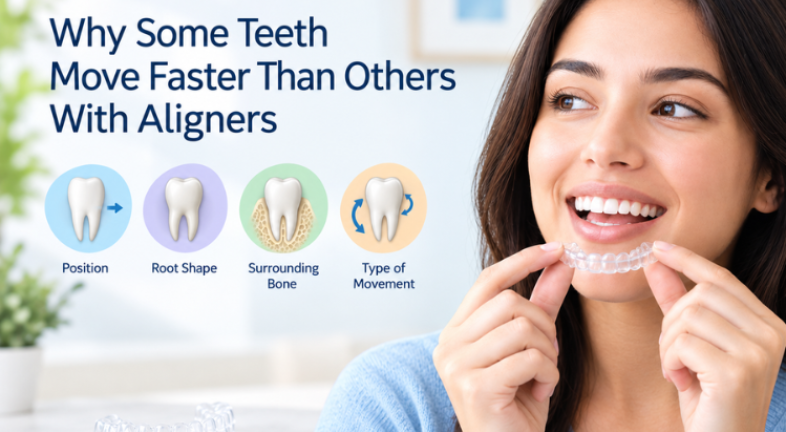 Why Some Teeth Move Faster Than Others With Aligners
Teeth movement with aligners does not happen at the same speed for every tooth. Each tooth responds differently because of its position, root shape, surrounding bone, and the type of movement required. Some teeth show visible changes early in treatment, while others take longer to respond. Your aligner treatment plan accounts for these differences by applying controlled forces in a specific sequence. Understanding what affects the tooth movement timeline helps explain why one tooth can look straighter while another appears almost unchanged.
Read More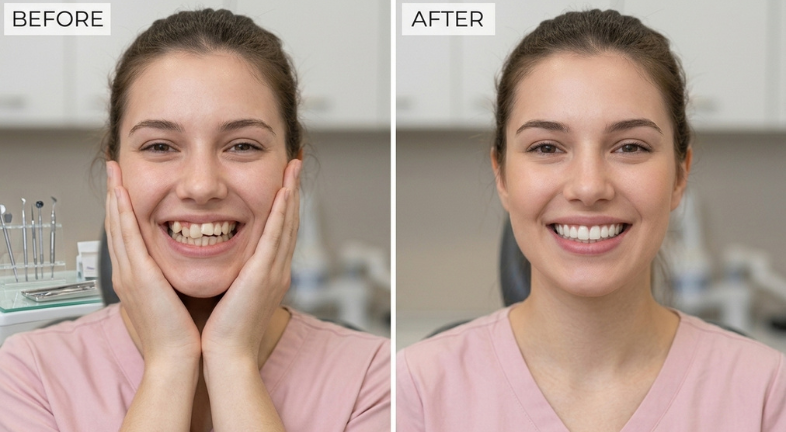 Do Clear Aligners Change Your Face Shape?
Yes, aligners can change your face shape slightly, mainly by changing the position and alignment of your teeth and, in some cases, your bite. But they don’t change your actual bone structure.
Read More



Heading